Guide to Renting in Ogba, Lagos: Everything You Need to Know Before You Move
Expert Listing
·
·
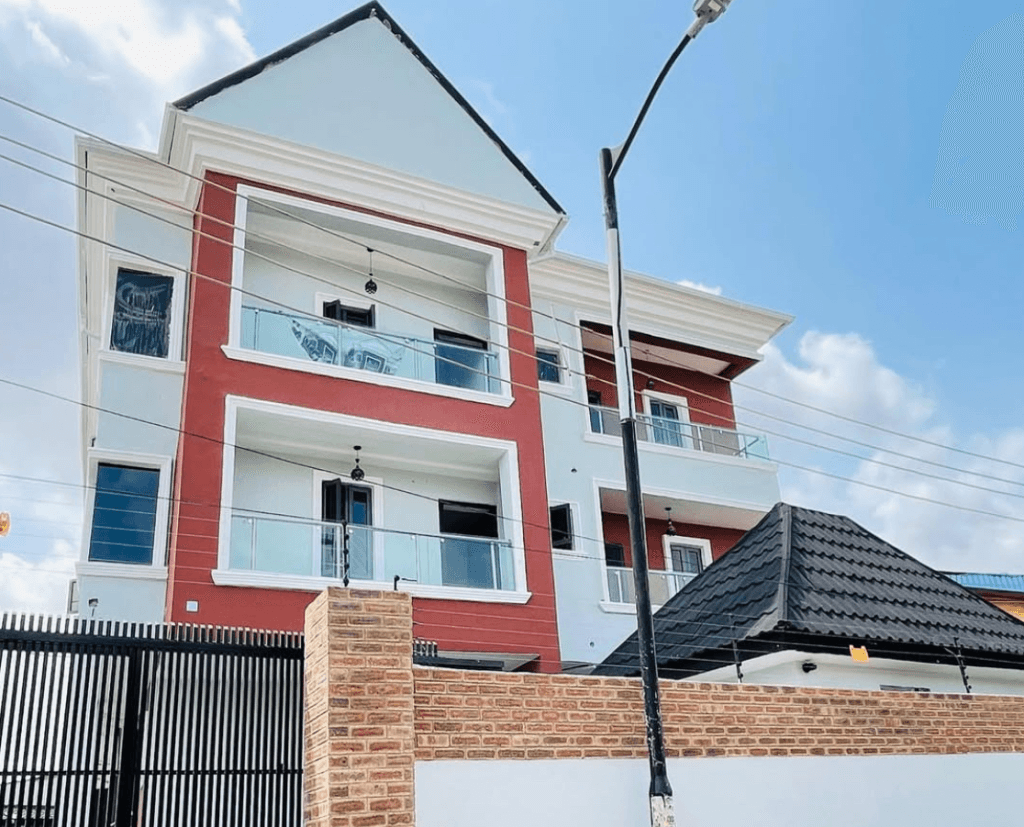
Ogba represents one of the most practical middle-ground residential hubs on the Lagos Mainland, offering a compelling mix of central accessibility and relative affordability that is increasingly rare in the 2026 market. It is a location that rewards the pragmatist who prioritises proximity to Ikeja and established infrastructure, but it simultaneously punishes the unprepared renter with localised traffic bottlenecks and varying standards of building maintenance. The core value proposition here is the “Ikeja proximity at a discount,” providing a functional urban lifestyle, while the primary risk lies in the inconsistency of power and water infrastructure across its many unplanned standalone buildings versus its organised gated mini-estates.
This guide provides the complete, honest intelligence required to navigate the Ogba rental market without the typical regrets associated with hasty Lagos moves. It covers the essential strategies for choosing between the distinct residential zones, such as Area G, Oke-Ira, and Ogba Ashade, provides a detailed breakdown of the market tiers and rent prices as they stand in 2026, and outlines the specific questions to ask that reveal the true state of a property’s management. Readers will find verified commute data to major hubs, an objective assessment of the area’s flood profile, and the practical steps necessary to distinguish a well-maintained apartment from one that will become a liability within months of signing the lease.

Why People Choose Ogba
The decision to rent in Ogba almost always comes down to one of three things, and knowing which one applies to you shapes everything else about your approach.
The first is Centrality. Ogba is geographically positioned as a gateway that serves those whose lives are anchored in the capital, Ikeja, but who find the rental prices in GRA or even parts of Alausa prohibitive. For a professional working in the Lagos State Secretariat, a bank along Oba Akran, or a business owner near Computer Village, Ogba, offers a commute that is often under thirty minutes. This proximity creates a lifestyle where one is never truly “out of the loop” of Mainland commerce, making it a primary choice for upwardly mobile young professionals and civil servants who need to be at their desks early without the exhaustion of a cross-city trek.
The second is Connectivity. Beyond its proximity to Ikeja, Ogba serves as a massive transit hub for the wider Mainland, offering direct access to Agege, Berger, and the Lagos-Ibadan Expressway. This makes it an ideal base for “commute-flexible” renters, individuals who may work in different parts of the city throughout the week or whose businesses require frequent movement of goods and personnel across the state. The presence of the major Ogba bus terminal and the relative ease of accessing the Lagos Rail Mass Transit (Red Line) via the nearby Agege station provides a layer of transport redundancy that many other Mainland residential areas lack, ensuring that residents are not solely dependent on private car ownership or the vagaries of a single road network.
The third is Commercial-Residential Balance. Unlike purely residential suburbs that become “ghost towns” or purely commercial districts that never sleep, Ogba maintains a vibrant 24-hour cycle that appeals to a specific type of urbanite. The area is dense with supermarkets like Sunday Market and numerous retail outlets, meaning that a renter can fulfil almost every domestic need within a two-kilometre radius. This lifestyle preference is driven by the convenience of having banks, hospitals, and entertainment spots integrated into the neighbourhood fabric. It attracts those who value a “walkable” life where the weekend does not require a major expedition just to restock the pantry or visit a pharmacy.
If none of these three things describes your situation, Ogba is probably not the right address for you, and it is worth being honest about that before you invest time in the search.
Understanding the Ogba Rental Market
The Ogba rental market in 2026 is structured primarily by the divide between organised gated communities, often referred to as “Areas” or mini-estates, and the legacy standalone buildings that characterise the more open, high-density streets.
The first tier consists of the gated residential zones like Area G, Area Mansion, and various private mini-estates scattered around the Ogba-Ijaiye axis. These areas offer a structured environment where security is managed at a central gate, and the density of buildings is relatively controlled. The management standard in these zones is generally higher, with residents often forming associations to handle waste management and neighbourhood security. The typical tenant in this tier is a mid-level professional or a small family prioritising safety and a quieter environment. While these properties are more expensive, they offer the most consistent value because the gated nature of the streets prevents the chaotic commercial encroachment common in other parts of Ogba.
The second tier is comprised of the standalone “tenement-turned-modern” blocks and older apartment buildings found in zones like Oke-Ira and Aguda. These buildings often lack central management, leaving the maintenance of the borehole, generator, and security entirely up to the individual landlord or a loosely organised group of tenants. The infrastructure here is often older, and the proximity to commercial shops and high-traffic streets is much closer. This tier attracts lower-to-middle-income earners and small business owners who prioritise low entry costs over lifestyle amenities. While the rent is significantly lower, the value is often eroded by the hidden costs of managing private security and the frequent failure of shared facilities.
Most renters in Ogba should target the well-managed mini-estates or newer buildings within the recognised “Areas” (like Area G). Attempting to stretch the price advantage by opting for the cheapest available units in the high-density standalone tier often results in a poor experience defined by noise pollution, inconsistent water supply, and security vulnerabilities. In Ogba, going too cheap usually means trading away your peace of mind and your sleep, as the density of the lower-tier streets often leads to neighbourhood friction that no amount of internal apartment renovation can fix.
Current Rent Prices in Ogba (2026)
Understanding the market range helps a renter identify a fair asking price versus an overpriced or suspiciously underpriced listing.
| Property Type | Low-Tier (Standalone/Older) | High-Tier (Gated/Modern) |
| 1-Bedroom (Mini-Flat) | ₦600,000 – ₦850,000 | ₦1,000,000 – ₦1,400,000 |
| 2-Bedroom Apartment | ₦1,200,000 – ₦1,600,000 | ₦1,800,000 – ₦2,500,000 |
| 3-Bedroom Apartment | ₦1,800,000 – ₦2,400,000 | ₦2,800,000 – ₦4,000,000 |
The prices reflected above for 2026 demonstrate a significant premium for the higher tier. For a 2-bedroom apartment, the differential between a standalone building in Oke-Ira and a modern unit in a gated part of Ogba can range from ₦50,000 to ₦75,000 per month when broken down.
While this may seem like a substantial gap, this extra expenditure buys the renter verified security, a more reliable water system, and a significantly better neighbourhood “vibe” that is free from the noise of street-level shops. In the Ogba market, this premium is essentially a payment for the avoidance of daily domestic stress.
Upfront payment terms in Ogba remain predominantly based on the one-year-upfront model, though some newer developments managed by corporate entities are beginning to experiment with quarterly or bi-annual payments to attract high-value young professionals.
However, the market moves extremely fast. Because Ogba is a high-demand zone for those working in Ikeja, a “good” apartment at a fair price will rarely stay on the market for more than 48 to 72 hours. This pace means that renters who require long periods to arrange financing often lose out to those who can make a commitment and pay the full year upfront immediately.
How to Choose the Right Zone or Building in Ogba
The choice of a specific zone or building is the most important decision in the Ogba renting process, yet it is the one that most first-time renters underestimate. In a neighbourhood as dense and varied as Ogba, the quality of your immediate management and the specific street you live on will dictate your quality of life far more than the interior aesthetics of the apartment itself.

A well-managed property in Ogba is distinguished by the transparency of its utility billing and the responsiveness of its maintenance team. In the gated mini-estates, you should look for evidence of a functional Residents’ Association and a clear protocol for security guards at the gate. A poorly managed building often shows its cracks in the communal areas: overgrown weeds, a cluttered generator house, and a borehole area that looks neglected. Because Ogba can be noisy, a well-managed building also enforces rules regarding noise levels and parking, ensuring that the residential nature of the property is preserved against the surrounding commercial bustle.
Questions to ask every estate management, landlord, or agent before committing:
- Can you provide a written breakdown of the service charge and exactly what the average monthly cost has been for the last six months?
- How is the generator uptime managed during power outages, and what is the current billing rate per hour or per month for fuel?
- What is the depth of the borehole, and has the water been treated or tested for iron content in the last year?
- What is the specific process and expected turnaround time for responding to plumbing or electrical maintenance requests?
- Are there any outstanding debts on the property’s electricity meter or communal waste management bills from previous tenants?
Beyond the paperwork, a physical flood profile check is mandatory. Ask specifically if the street or the compound itself has experienced flooding in the last two rainy seasons and which floor levels were affected. You should physically examine the ground level of the building relative to the road; if the compound sits lower than the street or the surrounding terrain, it is a natural collection point for runoff. Look for high-water marks on the perimeter walls, which are often the most honest indicators of past flooding events that an agent might choose to ignore.
Visiting at different times is the only way to see the true face of Ogba. The mid-morning agent-guided viewing is almost always deceptive because the area is at its quietest. An evening visit, particularly between 7:00 PM and 9:00 PM, reveals the true noise levels from neighbours’ generators, the availability of parking on the street, and the general security atmosphere. Visiting shortly after a heavy rain event is equally illuminating, as it allows you to see how quickly the drainage clears and whether the access roads become impassable.
Finally, talk to current residents. A brief conversation with a resident in the car park or a neighbour at the gate is worth more than any agent’s assurance. Ask them about the consistency of the water supply and if there have been any recent security breaches. Most residents are surprisingly honest about the frustrations of a building because they want a good neighbour who understands the reality of the environment they are moving into.
Not sure about Ogba? Read our area guide first.
The Commute Question: Being Honest With Yourself
The commute is the most common source of renter regret in Ogba. It is rarely the apartment itself that causes a move-out after the first year; it is the compounding exhaustion of navigating the Ogba-Ikeja bottlenecks and the Berger-bound traffic that catches renters by surprise.
The honest numbers in 2026:
To Victoria Island under light traffic (Sunday morning): 45 minutes.
To Victoria Island during peak hours (6:30 AM – 9:00 AM): 1 hour 45 minutes – 2 hours 15 minutes, depending on the congestion at Third Mainland Bridge or Eko Bridge.
To Lekki Phase 1 under light traffic (Saturday evening): 55 minutes.
To Lekki Phase 1 during peak hours (5:00 PM – 8:00 PM): 2 hours – 2 hours 45 minutes, depending on the Oworonshoki bottleneck.
To Ikeja (Alausa/Secretariat) under light traffic (Mid-day): 15 minutes.
To Ikeja (Alausa/Secretariat) during peak hours (7:30 AM – 9:00 AM): 35 – 50 minutes.
To Agege/Pen Cinema under light traffic (Anytime): 10 minutes.
To Agege/Pen Cinema during peak hours: 25 minutes.
If your office is in Victoria Island or Ikoyi, the commute is gruelling and will likely require you to be on the road before 6:00 AM to avoid a two-hour ordeal. While Ogba is technically “central,” the sheer volume of traffic merging from Agege and Ijaiye into the Ikeja corridor means that the first five kilometres of your journey can often take thirty minutes.
If your office is in Ikeja, Alausa, or Allen Avenue, the commute is manageable and represents one of the best time-to-value ratios on the Mainland. You are close enough to utilise ride-hailing services affordably or even navigate the “back roads” through Guinness or Oba Akran to beat the main artery traffic.
If your office is on the Island (Lekki/Ajah), Ogba is not the right address unless you have a hybrid work arrangement that only requires your physical presence two days a week. The psychological and physical toll of crossing the bridge daily from this far inland is a high price to pay for the rent savings you might achieve.
Flooding in Ogba: What You Need to Know Before You Sign
Flooding in Ogba is localised but can be severe on specific streets that sit in the path of the area’s natural runoff toward the Ogun River basin. It is an issue that is frequently underweighted by renters who move in during the dry season and fail to notice the structural red flags of the terrain.

The structural reason for flooding here is the combination of Ogba’s uneven topography and a drainage network that has struggled to keep pace with the rapid conversion of residential bungalows into high-density apartment blocks. Many secondary drains in the Oke-Ira and Aguda axis are perpetually clogged with silt and refuse, causing rainwater to overflow onto the roads within minutes of a downpour. In the more vulnerable parts of Ogba, a significant flooding event means that road access is cut off for several hours, car parks become submerged, and ground-floor apartments can suffer from rising damp or actual water ingress.
Conversely, the newer, planned developments and the higher-ground “Areas” like Area G fare substantially better. These zones were designed with larger, engineered drainage channels that take advantage of the natural slope of the land to move water away from residential compounds. Properties in these areas might see some “flash” water on the road during a storm, but it rarely settles or threatens the integrity of the buildings.
Expert Listing maps flood-risk signals for individual listings based on precise location data. This is the most reliable way to assess a specific apartment’s flood profile rather than relying on the agent’s description of the area or your own dry-season impression of the terrain. Do not rent a ground-floor unit in Ogba without specific confirmation, backed by data and resident testimony, that the estate does not flood.
The Impact of the Red Line Rail Completion
The completion and full integration of the Lagos Rail Mass Transit (Red Line) has materially transformed the liveability of Ogba in a way that previous generations of renters never experienced. Before the Red Line became a functional reality, Ogba residents were entirely hostage to the bottlenecks at Ogba Bus Stop and the Agege Motor Road. Travel to the lower Mainland or the Lagos Island fringe required navigating some of the most congested road networks in the state.
What changed concretely is the arrival of high-capacity, predictable transit access via the nearby Agege and Ikeja mega-stations. Renters in Ogba now have a “bypass” for the traditional road traffic. One can take a short five-minute connecting trip to the Agege station and be at Oshodi or Yaba in a fraction of the time it takes to drive or take a bus. This development has turned Ogba from a somewhat “boxed-in” suburb into a truly multi-modal residential hub.
For the renting decision, this means the lifestyle cost of choosing Ogba has dropped significantly for those who do not wish to drive every day. The area is more self-sufficient because the rail link has spurred secondary commercial growth around the transit corridors, bringing more organised retail and professional services to the Ogba-Agege border. It makes the case for Ogba even stronger for those who work in the Yaba or Mushin tech and commercial hubs, as they can now live in the more residential Ogba and commute via rail with high reliability.
Things to Confirm Before Signing Any Ogba Lease
These items are in addition to the estate management questions already covered; they are the lease-level due diligence layer that protects your finances.
The full monthly cost. Ask for a complete breakdown of all recurring fees beyond the base rent. This includes the monthly rent equivalent, the generator fuel levy, the service charge, and the waste disposal (LAWMA) fee. In Ogba, these additions can total anywhere from ₦25,000 to ₦60,000 per month, depending on the level of services provided. Ensure you get this breakdown in writing to prevent the “hidden fee” creep that often occurs three months into a new tenancy.
The lease terms on renewal and notice. Confirm the required notice period for termination; the standard is six months for a yearly tenant, but some modern Ogba leases attempt to shorten this to three. Equally important is the renewal clause; ask if the rent escalation is fixed at a certain %age or if it is subject to a “market rate review,” which can lead to unpredictable jumps in a high-demand area like Ogba.
The deposit and its conditions for return. The caution deposit in Ogba is typically 10 per cent of the annual rent. You must confirm the specific conditions under which this is refundable and ensure it is documented in the lease agreement. Ask for a move-in inspection report to be signed by both parties to avoid being charged for pre-existing wear and tear when you eventually move out.
Maintenance responsibilities. Clarify which issues fall to the landlord. In Ogba, it is common for landlords to try to transfer the cost of borehole pump repairs or major electrical faults to the tenants. Ensure the lease states that structural and “major facility” maintenance, such as the roof, external plumbing, and shared generator, remains the landlord’s financial responsibility.
Internet and Broadband Signal Strength. Given the density of buildings in some parts of Ogba, cellular and fibre-optic signal strength can vary wildly from one street to the next. If you work remotely, confirm which providers (MTN, Airtel, or fibre providers like FiberOne/Tizeti) have strong coverage in that specific apartment. Do not take the agent’s word for it; run a speed test on your phone in the actual rooms where you will be working before you commit to the lease.
Ready to Find Your Apartment in Ogba?
Every listing on Expert Listing is physically inspected and document-verified before going live. Flood risk is mapped at the individual listing level. Listings are removed the moment they are rented or sold.
Browse verified apartments in Ogba on Expert Listing.
Frequently Asked Questions
Is Ogba a good place to live?
Ogba is considered one of the best functional residential areas on the Lagos Mainland due to its proximity to Ikeja and its robust commercial ecosystem. It offers a higher standard of living than many neighbouring high-density areas while remaining more affordable than premium zones like Magodo or GRA Ikeja. For middle-income professionals and families, it provides a balanced environment with good access to schools, hospitals, and transport links.
Which part of Ogba is best to live in?
The most sought-after parts of Ogba are the gated residential zones, specifically Area G, Area Mansion, and the Ogba-Ijaiye axis. These areas are preferred because they offer better security, more organised drainage, and a reprieve from the heavy commercial activity found near the Ogba bus stop. For those prioritising peace and a structured environment, these “Areas” represent the gold standard of the local market.
Is Ogba in Ikeja?
While Ogba is often associated with Ikeja due to its proximity and shared administrative history, it is primarily located within the Ifako-Ijaiye Local Government Area, with some parts extending into the Ikeja LGA. It serves as a major gateway to the state capital, and many people who work in Ikeja choose to live in Ogba because the commute to the Alausa Secretariat and the Ikeja business districts is very short.
How much is a 2-bedroom flat in Ogba, Lagos?
As of 2026, a 2-bedroom apartment in Ogba ranges from ₦1,200,000 for older standalone buildings in high-density areas to over ₦2,500,000 for modern units within gated estates. The price is heavily influenced by the quality of the building’s management, the reliability of the water and power infrastructure, and the specific security features of the street.
Is there a rail station in Ogba?
While there is no rail station directly in the centre of Ogba, the area is served by the nearby Agege and Ikeja stations of the Lagos Red Line. These stations are easily accessible via a short 5 to 10-minute bus or tricycle ride, providing Ogba residents with a reliable and fast alternative to the road traffic for travelling toward the Lagos Island fringe or further into the Mainland.
Does Ogba flood?
Flooding in Ogba is localised and usually occurs on specific streets with poor drainage or in areas with lower elevation relative to the main roads. While it is not a widespread “submerged” zone like some parts of the Island, specific compounds in Oke-Ira and Aguda are prone to flash flooding during heavy rains. It is essential to use tools like Expert Listing’s flood-risk mapping to verify the specific profile of an apartment before signing a lease.