Ajah vs Lekki Phase 2: Which Is Better for Renting in Lagos?
Expert Listing
·
·
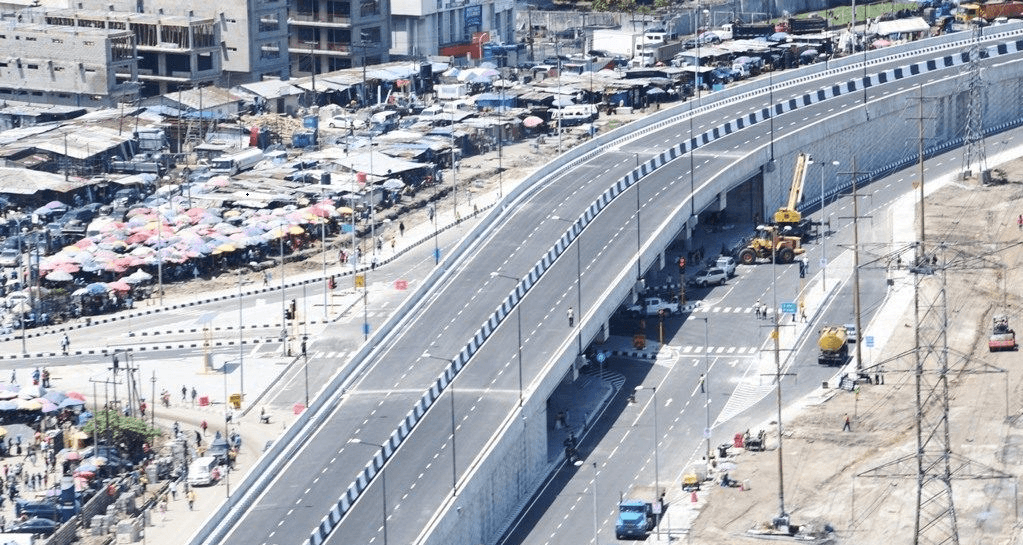
Choosing between Ajah and Lekki Phase 2 is perhaps the most frequent dilemma for renters looking to secure a home on the Lagos Island corridor. In 2026, the expansion of the Lekki-Epe Expressway and the continued development of the coastal road have blurred the lines between these two neighbouring hubs, yet they remain fundamentally different propositions.
Most people frame this comparison wrongly by focusing solely on “prestige.” They assume Lekki Phase 2 is simply a more expensive version of Ajah, or that Ajah is merely a budget alternative for those who cannot afford Lekki. This approach misses the nuance of how these areas actually function on a daily basis.
The real question isn’t which area is more prestigious, but which one aligns with your specific work location, your monthly budget for “unseen” costs like service charges, and your tolerance for the Lekki-Epe traffic bottleneck. While they are physically close, the lifestyle gap between living in a gated estate in Lekki Phase 2 and a mixed-use pocket in Ajah is significant.
This guide will cover everything from 2026 rent figures and commute realities to flood risks and school infrastructure to help you make a data-backed decision.

Browse verified apartments in Lekki Phase 2 on Expert Listing
The Short Answer
If you work in or on Ajah, specifically around Abraham Adesanya, Badore, or Sangotedo, renting in Ajah is the logical choice to minimise your daily commute and maximise the square footage of your home for a lower price point.
If you work in or on Lekki Phase 2, such as the Chevron Drive axis or Orchid Road, staying within the Lekki Phase 2 boundaries will save you from the daily struggle of the Ajah roundabout bottleneck, which remains a factor even with recent road improvements.
If you work on the Mainland or in Victoria Island, Lekki Phase 2 is the better option as it sits closer to the Toll Gate and the major commercial hubs, shaving at least 20 to 45 minutes off your daily round-trip commute compared to Ajah.
If you are choosing between the two primarily on lifestyle or address grounds, this guide will help you understand that while Lekki Phase 2 offers a more curated, “estate-centric” environment, Ajah provides a more organic, commercially vibrant, and community-focused atmosphere.
Rent Comparison
The rent gap between Ajah and Lekki Phase 2 has widened in 2026 as Lekki Phase 2 has matured into a premium residential hub, particularly in the areas surrounding Chevron and Orchid. While Ajah offers more variety in terms of pricing, Lekki Phase 2 has moved toward a standardised premium for its serviced estates.
Lekki Phase 2 rent (2026):
| Property Type | Annual Rent Range |
| 1-Bedroom Flat | ₦2,500,000 – ₦3,800,000 |
| 2-Bedroom Flat | ₦4,500,000 – ₦6,500,000 |
| 3-Bedroom Flat | ₦7,000,000 – ₦9,500,000 |
| 4-Bedroom Duplex/Penthouse | ₦10,000,000 – ₦18,000,000 |
Want to live in Lekki Phase 2? Check our guide to renting an apartment in Lekki Phase 2
Ajah rent (2026):
| Property Type | Annual Rent Range |
| 1-Bedroom Flat | ₦1,200,000 – ₦2,200,000 |
| 2-Bedroom Flat | ₦2,500,000 – ₦4,000,000 |
| 3-Bedroom Flat | ₦4,500,000 – ₦6,500,000 |
| 4-Bedroom Duplex/Penthouse | ₦6,500,000 – ₦9,000,000 |
Want to live in Ajah? Check our guide to renting an apartment in Ajah
There is a noticeable 35% to 50% premium for comparable units in Lekki Phase 2. This gap is driven by the density of fully serviced estates in Lekki Phase 2, where infrastructure like 2 4/7 power, treated water, and centralised security is the baseline expectation rather than a luxury. In Ajah, while many new estates offer these features, the area still has a high volume of “self-serviced” or traditional standalone buildings that keep the average price lower.
When calculating your budget, you must account for the total cost of living. In Lekki Phase 2, service charges and generator levies can add a 25% to 40% uplift to your headline rent. Ajah offers more flexibility, with many apartments allowing tenants to manage their own power and utilities, though this often comes at the cost of consistency.

Commute Comparison
The commute is the single most important factor for any resident on the Island corridor. Traffic flow in 2026 is largely dictated by the “Lekki Bottleneck” that intensifies as you move further away from the city centre.

If you work in/on Ajah:
Commuting within Ajah itself is relatively straightforward, usually taking 10 to 20 minutes between major estates like Thomas Estate or Abraham Adesanya. However, if you are commuting from Lekki Phase 2 to Ajah, you are moving against the typical traffic flow in the morning, which takes about 15 minutes. During peak evening hours, the return journey from Ajah back to Lekki Phase 2 can take 45 to 60 minutes due to the merge at the Ajah bridge.
If you work in/on Lekki Phase 2:
Living in Lekki Phase 2 and working near Chevron or Orchid means a negligible commute of under 15 minutes. However, commuting from Ajah to Lekki Phase 2 in the morning involves navigating the Ajah roundabout or the bridge. Under light traffic, this is a 10-minute drive, but during peak hours (6:30 AM – 9:00 AM), this stretch can easily consume 40 to 55 minutes as thousands of residents move toward the city.
If you work on the Mainland:
Renting in Lekki Phase 2 gives you a significant advantage. The commute to the Mainland (e.g., Ikeja or Surulere) from Lekki Phase 2 typically takes 1 hour and 15 minutes in peak traffic. From Ajah, you must add an additional 30 to 45 minutes just to clear the Ajah-Lekki axis before you even reach the Toll Gate.
Verdict on commute: Lekki Phase 2 is the clear winner for anyone working in Victoria Island, Ikoyi, or the Mainland.
Lifestyle and Social Infrastructure
The social landscape of these two areas reflects their target demographics. Lekki Phase 2 is increasingly sophisticated and “lounge-heavy,” while Ajah remains the hub for affordable retail and traditional markets.
Lekki Phase 2 lifestyle is centred around curated experiences. You will find high-end dining and nightlife at venues like Above Lifestyle, which offers a premium lounge and nightclub experience. For fitness and wellness, residents frequent facilities like the i-Fitness Lekki 2 branch. Retail needs are met by the Circle Mall at Jakande, which remains the primary shopping anchor for the area.
Ajah’s lifestyle is more grounded. While it lacks the high-end lounges of Lekki, it excels in accessibility. The Ajah Market is a massive draw for fresh produce and household goods at competitive prices. For modern retail, Jubilee Mall and the various supermarkets along the Abraham Adesanya axis provide everything needed. For leisure, the proximity to private beach resorts like Atican Beach or Barracuda Beach gives Ajah residents a coastal lifestyle that is often more accessible than it is for those living further “up” the peninsula.
Verdict on lifestyle: Lekki Phase 2 wins for nightlife and “fine dining,” while Ajah wins for market access and affordable weekend beach getaways.

Flooding Risk
Flooding remains a seasonal concern across the Lekki Peninsula, particularly during the primary rainy seasons of April–July and September–October. However, the risk profiles for these two areas have shifted due to recent drainage projects.
In Lekki Phase 2, the flooding risk is highly street-specific. Areas like Orchid Road and sections of Chevron Drive have historically faced issues with water retention after heavy downpours. While the main roads are often elevated, the secondary streets within certain estates can experience waterlogging if the estate’s internal drainage isn’t regularly maintained.
Ajah is widely regarded as more flood-prone due to its lower elevation and proximity to lagoon channels. Sections of Ado-Badore and certain streets off the Ajah-Ogombo road are known for significant water buildup during peak rainfall. Many residents in these areas rely on high-clearance vehicles during the months of June and July. It is crucial to verify flood risk at the individual listing level, and Expert Listing maps these signals to help renters identify “dry” properties.
Verdict on flooding: Lekki Phase 2 generally has better-planned primary drainage, making it marginally safer, though street-level verification is mandatory in both areas.
Safety and Security
Security in both areas is largely defined by the “Estate Model,” where residents pool resources to manage access control.
The security profile of Lekki Phase 2 is institutional and robust. Many estates, such as Ocean Bay or Northwestant Estate, operate a “call-at-gate” policy where visitors must be cleared by residents via an app or phone call. The proximity to corporate headquarters like Chevron also ensures a steady presence of private and state security patrols along the main arterial roads.
Ajah’s security is more varied. While gated communities like Abraham Adesanya Estate or Thomas Estate offer excellent security with restricted access and internal patrols, the “un-gated” parts of Ajah are more porous. The security gap in Ajah is most noticeable at night in the more commercialised areas around the Ajah market. For families, the gated estates of Ajah offer a safety profile comparable to Lekki, but at a lower entry price.
Verdict on schools: The security gap is narrow within gated estates, but Lekki Phase 2 offers a more consistently secure environment across the entire neighbourhood.
Schools
For families, school proximity is often the deciding factor. Both areas are served by reputable institutions that have embraced the growth of the corridor.
In Lekki Phase 2, families have access to top-tier international education. Children’s International School (CIS) is a major landmark in the vicinity, offering British curriculum education. Other notable institutions include the Lekki British School, which is easily accessible from the Phase 2 axis.
Ajah has seen a surge in high-quality private schools catering to its growing middle-class population. Kayron International Schools is a prominent choice in the area, offering a supportive environment for both primary and college-age students. Additionally, Readington School in the Ajah-Sangotedo axis is a well-regarded option for parents seeking international standards within the Ajah neighbourhood.
Verdict on schools: Lekki Phase 2 has a higher density of “elite” international schools, but Ajah offers excellent, more affordable private schooling options.

Healthcare
Access to emergency and specialised medical care is a critical infrastructure component that favours the Lekki Phase 2 axis, though Ajah is catching up rapidly.
Hospitals serving Lekki Phase 2 include the Evercare Hospital in Lekki, which is one of the most advanced private facilities in the country, easily reached via the expressway. Within the immediate Phase 2 area, Paeon-Wolf Health and other specialised clinics provide rapid access to primary and secondary care.
Ajah is anchored by Lennox Hospital, located off the Lekki-Epe Expressway. It provides comprehensive services including paediatrics, obstetrics, and laboratory diagnostics. The hospital is known for its modern facility and skilled medical team. Travel time between Ajah and a major tertiary facility like Evercare can range from 30 to 50 minutes, depending on traffic.
Verdict on healthcare: Lekki Phase 2 has better proximity to high-end, multi-speciality hospitals.
Character and Feel
Lekki Phase 2 feels like a “work-play” zone. During working hours, the area around Chevron is a bustling corporate and commercial hub. In the evenings, it transforms into a quieter, estate-driven residential zone, punctuated by the neon lights of lounges like Above Lifestyle. It suits professionals who want a polished environment and don’t mind the “serviced estate” lifestyle where everything is managed for you.
Ajah has a more authentic, “neighbourhood” feel. It is a place where you can walk to a local pharmacy, buy fruit from a street vendor, and then retreat into a quiet, secure estate. It is commercially active at all hours, giving it an energy that Lekki Phase 2 lacks. This suits families and young entrepreneurs who value community character and a sense of place over the sterile perfection of a corporate-heavy neighbourhood.
Verdict on character: This is subjective; Lekki Phase 2 feels more “exclusive” and structured, while Ajah feels more “vibrant” and connected to the pulse of Lagos.

The Decision Framework
Use this to make the call:
Choose Lekki Phase 2 if:
- You work in Victoria Island, Ikoyi, or on the Mainland and need to minimise commute time.
- Your budget allows for a 30% to 50% rent premium plus service charges.
- You prioritise a curated social life with access to high-end lounges and malls.
- You want a highly structured, “call-at-gate” security environment.
- You prefer living in a corporate-dominated hub with modern infrastructure.
Choose Ajah if:
- You work along the Lekki-Epe corridor from Ajah downwards to Ibeju-Lekki.
- You want significantly more space (e.g., a 4-bedroom duplex) for the price of a 2-bedroom in Lekki.
- You prefer a mix of traditional market access and modern estate living.
- You are a young professional or a growing family looking for value without leaving the Island.
- You enjoy easy access to the private beach resorts located along the coastal axis.
If budget is the deciding factor, Ajah is the clear recommendation. For the same ₦6,000,000 that gets you a 2-bedroom flat in a serviced estate in Lekki Phase 2, you can rent a spacious 3 or 4-bedroom terraced duplex in a secure Ajah estate. The “value-per-square-foot” in Ajah remains unbeatable on the Island.
Ready to Search in Both Areas?
All listings on Expert Listing are verified by our team before going live to ensure you are dealing with genuine landlords and agents. We map flood-risk signals at the individual listing level so you can move in with peace of mind, and all listings are removed the moment they are rented or sold to save you time.
Frequently Asked Questions
Is Ajah or Lekki Phase 2 more expensive for rent?
Lekki Phase 2 is significantly more expensive, with a 1-bedroom flat starting around ₦2.5 million compared to ₦1.2 million in Ajah. The price difference is driven by the density of fully serviced estates in Lekki Phase 2 and its closer proximity to the Victoria Island business district.
How bad is the traffic from Ajah to Lekki Phase 2?
During morning peak hours, the commute from Ajah to Lekki Phase 2 can take 40 to 55 minutes due to the bottleneck at the Ajah roundabout and bridge. In light traffic, the same journey takes less than 15 minutes.
Does Lekki Phase 2 flood more than Ajah?
Generally, Ajah has a higher reputation for flooding due to its lower elevation, especially in the Ado-Badore axis. However, certain parts of Lekki Phase 2, like Orchid Road, also face significant water buildup, making it essential to verify drainage at the specific street level.
Which area is better for families between Ajah and Lekki Phase 2?
Both areas are excellent for families, but for different reasons. Lekki Phase 2 offers proximity to elite international schools like CIS, while Ajah offers larger homes and more affordable gated estates like Abraham Adesanya, which are ideal for growing families.
Are there good hospitals in Ajah?
Yes, Ajah is served by Lennox Hospital, which is a modern, full-service facility located off the Lekki-Epe Expressway. While it is highly capable, residents often travel to Lekki Phase 2 or further up the peninsula for specialised tertiary care.
Which area is safer to live in, between Ajah or Lekki Phase 2?
Both areas are safe within their respective gated estates. Lekki Phase 2 offers a more consistently secure neighbourhood feel due to the corporate presence, while in Ajah, security is highly dependent on which specific estate you choose to live in.