Lekki Phase 2 vs Gbagada: Which Is Better for Renting in Lagos?
Expert Listing
·
·
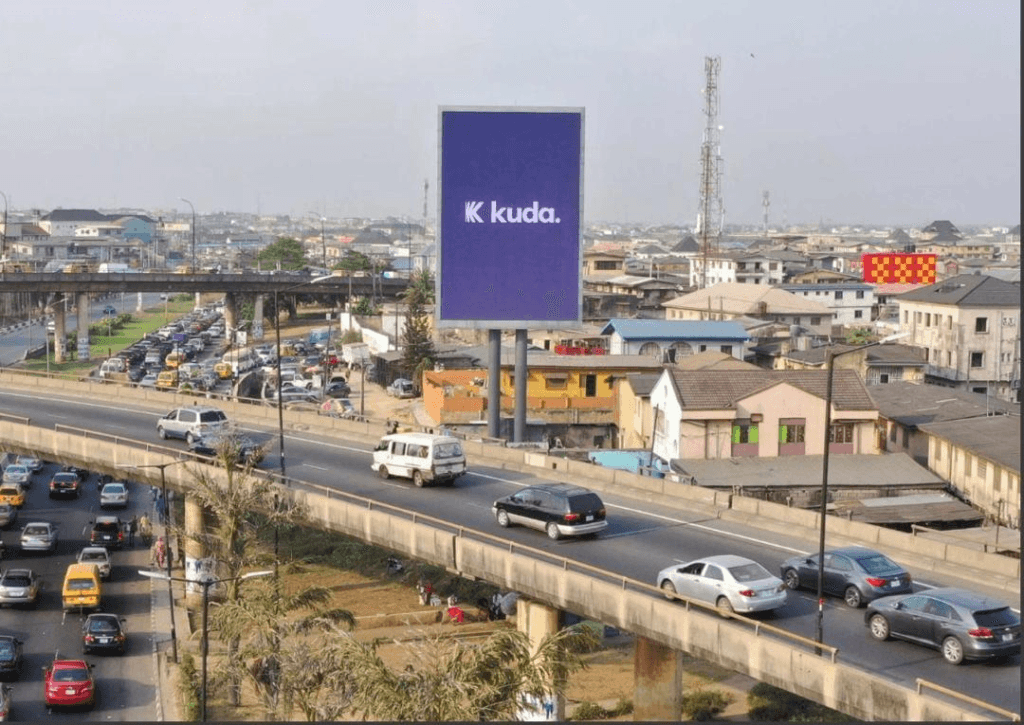
Choosing between Lekki Phase 2 and Gbagada is one of the most frequent dilemmas for middle-to-high-income renters in Lagos. As the city’s geography continues to expand, these two hubs represent the ultimate tug-of-war between the prestige of the Island and the strategic accessibility of the Mainland. Both neighbourhoods have evolved significantly by 2026, offering distinct lifestyles that cater to different professional and social needs.
Most people frame this comparison wrongly by focusing solely on “prestige vs prestige.” They assume Lekki Phase 2 is naturally superior because of its Island address, or that Gbagada is merely a transit point for Mainland workers. This superficial view ignores the massive shifts in infrastructure, the rise of remote-hybrid work, and the localised flooding patterns that now define Lagos real estate in 2026.
The real question you should be asking isn’t which area is “better,” but which one aligns with your work location, your tolerance for the Lekki-Epe Expressway traffic, and your actual budget for service charges. While Gbagada offers an unparalleled central location, Lekki Phase 2 offers a specific brand of modern, gated-community living that is hard to find on the Mainland.
This guide will break down the 2026 annual rent figures, commute times under current traffic realities, lifestyle amenities, and the all-important flooding risks to help you make a data-driven decision.

Browse verified apartments in Lekki Phase 2 on Expert Listing
The Short Answer
If you work in or on Lekki Phase 2, Victoria Island, or Ikoyi, Lekki Phase 2 is your best bet because it saves you from the gruelling crossing of the Third Mainland Bridge or the perennial bottleneck at the Lekki Toll Plaza.
If you work in or on Gbagada, Ikeja, or Maryland, choosing Gbagada is the only logical choice to ensure a commute that doesn’t consume four hours of your day.
If you work on the Mainland but want an “Island feel,” Gbagada’s premium estates like Orchid or Medina offer a comparable experience without the Island’s logistical headaches.
If you are choosing between the two primarily on lifestyle or address grounds, this guide will help you understand that while Lekki Phase 2 offers more modern social venues, Gbagada provides a more grounded, family-oriented environment with significantly lower total occupancy costs.

Rent Comparison
The rent gap between Gbagada and Lekki Phase 2 has widened in 2026, driven by the intense demand for serviced apartments on the Island. While Gbagada remains the “sweet spot” for Mainland professionals, Lekki Phase 2 has seen a surge in premium developments that command high prices despite being further down the Lekki-Epe corridor than Phase 1.
Gbagada rent (2026):
| Property Type | Annual Rent Range |
| 1-Bedroom Flat | ₦1,200,000 – ₦1,800,000 |
| 2-Bedroom Flat | ₦2,200,000 – ₦3,500,000 |
| 3-Bedroom Flat | ₦3,500,000 – ₦5,000,000 |
| 4-Bedroom Duplex/Penthouse | ₦6,000,000 – ₦10,000,000 |
Want to live in Gbagada? Check our guide to renting an apartment in Gbagada
Lekki Phase 2 rent (2026):
| Property Type | Annual Rent Range |
| 1-Bedroom Flat | ₦2,500,000 – ₦4,000,000 |
| 2-Bedroom Flat | ₦4,500,000 – ₦6,500,000 |
| 3-Bedroom Flat | ₦6,500,000 – ₦9,000,000 |
| 4-Bedroom Duplex/Penthouse | ₦12,000,000 – ₦22,000,000 |
Want to live in Lekki Phase 2? Check our guide to renting an apartment in Lekki Phase 2
The rent gap reveals that comparable units in Lekki Phase 2 cost approximately 80% to 120% more than those in Gbagada. This premium is largely driven by the perceived status of the Lekki brand and the newer age of the housing stock in Phase 2. However, renters must consider the “total cost of occupancy.” In Lekki Phase 2, service charges for security, waste, and shared power often add an extra 30% to 50% to the headline rent. Gbagada’s service charges are generally more modest, often ranging between 15% and 25% of the rent, particularly in older, established estates.

Commute Comparison
If you work in/on Lekki Phase 2:
Living in Lekki Phase 2 means a commute of 5–15 minutes, depending on your specific estate. If you live in Gbagada and work in Lekki Phase 2, your commute will involve the Third Mainland Bridge and the Lekki-Epe Expressway. Under light traffic, this takes 35 minutes, but during peak hours, it can easily balloon to 90–120 minutes as you fight through the Oworonshoki bottleneck and the Ozumba Mbadiwe crawl.
If you work in/on Gbagada:
Commuting within Gbagada is usually under 10 minutes. However, travelling from Lekki Phase 2 to Gbagada during the morning rush is “against the grain,” meaning you avoid the heaviest Island-bound traffic. Even so, the sheer distance and the potential for a standstill at the Anthony or Gbagada bus stops mean a peak-hour commute of 50–70 minutes. Under light traffic, this trip takes about 30 minutes.
If you work on the Mainland (Ikeja/CBD):
Gbagada has the definitive edge for Mainland workers. A commute to Ikeja from Gbagada takes 20 minutes in light traffic and 45 minutes in peak hour. From Lekki Phase 2, reaching Ikeja in the morning is a logistical nightmare, often taking 2 hours or more as you navigate the entire length of the Island and the bridge.
Verdict on commute: Gbagada is the winner for overall city access, while Lekki Phase 2 is only viable if your life and work are strictly Island-based.

Lifestyle and Social Infrastructure
Lekki Phase 2 has matured into a self-sustaining ecosystem by 2026, though it still relies on neighbouring Phase 1 for heavy-duty entertainment. Gbagada, meanwhile, has transformed from a quiet residential suburb into a vibrant “Mainland cool” zone with a thriving food and fitness culture.
Gbagada lifestyle revolves around community and accessibility. Residents frequent the Gbagada Grassroots Sports Centre for fitness and the De-Plaza Mall for retail needs. The dining scene is dominated by popular hubs like The Place and various upscale lounges in the Medina and Soluyi areas. While it lacks a massive cinema-centric mall, its proximity to Ikeja means residents are never far from the action at Ikeja City Mall.
Lekki Phase 2 offers a more “aspirational” lifestyle. It is home to the Purple Lekki mall, which features Genesis Cinemas, i-Fitness, and popular eateries like Burger King and Casper. Residents also enjoy the proximity to the Lekki Conservation Centre for weekend nature walks. The social scene is more polished and expensive, characterised by gated-community privacy and high-end lounges.
Verdict on lifestyle: Lekki Phase 2 leads on “glamour” and modern retail, but Gbagada offers a more practical, community-centric lifestyle at a lower cost.

Flooding Risk
Flooding remains the single biggest “hidden cost” in Lagos real estate. In 2026, the Lagos State Government has designated both areas as having varying levels of vulnerability during the peak rainy seasons of April–July and September-October.
Gbagada’s flooding is mostly “flash flooding” caused by clogged drainage systems rather than rising water bodies. Areas like Atunrase Estate and certain parts of Soluyi have historically struggled with water ponding after heavy downpours, though recent interventions by the Ministry of Environment have improved the situation. Most of the main roads in Gbagada remain navigable even in heavy rain, provided the drainage channels are clear.
Lekki Phase 2 faces a more systemic risk due to its low-lying terrain and proximity to the lagoon. During the 2026 rainy season, residents have reported that a two-hour downpour can turn streets into “small rivers.” Because the area was largely reclaimed, the water has fewer natural places to go. While the main estates are often elevated, the access roads can become submerged, making vehicle movement difficult. Expert Listing maps these flood-risk signals at the individual listing level to ensure renters aren’t caught off guard.
Verdict on flooding: Gbagada is generally safer from deep, stagnant floods, whereas Lekki Phase 2 requires careful street-by-street verification to avoid seasonal “water-lock.”
Safety and Security
Security in Gbagada is largely driven by its established estate structures. Areas like Medina Estate, Orchid Court, and Gbagada Phase 2 have strict gate-controlled access and private security patrols. The area’s security profile is bolstered by its proximity to several police stations and a generally high density of residents, which discourages opportunistic crime.
Lekki Phase 2 is almost entirely comprised of gated communities. This “fortress” style of living offers a high level of perceived safety. Estates like Victoria Crest and Lekki Gardens within Phase 2 employ private security firms and electronic access controls. However, the proximity to the more porous Lekki-Epe Expressway means that security is only as good as the individual estate’s management.
Verdict on security: Both areas are safe for families, but Lekki Phase 2 offers more modern, tech-enabled security at a higher service charge cost.
Schools
For families, the choice of neighbourhood is often dictated by the quality of nearby schools. Both areas are served by reputable institutions that have maintained strong digital and physical presences into 2026.
Gbagada is home to the prestigious Emerald Schools, which offer a comprehensive educational journey from nursery to secondary levels. Another notable institution is Grace Schools, which has a long-standing reputation for academic excellence on the Mainland. The concentration of schools in Gbagada makes it a highly convenient “school run” zone.
Lekki Phase 2 has access to some of the city’s most elite international schools. Greensprings School (Lekki Campus) is a major draw for the area, offering a British curriculum and world-class sports facilities. Additionally, schools like Meadow Hall are within a short driving distance, providing high-end educational options that cater to the Island’s expatriate and affluent local population.
Verdict on schools: Lekki Phase 2 has stronger international-standard school infrastructure, but Gbagada offers high-quality, more affordable private education.

Healthcare
Healthcare access in Gbagada is excellent, centred around R-Jolad Hospital, which has served the Mainland for over four decades and recently expanded its “Plus” facilities for premium care. The area also hosts the Gbagada General Hospital, providing a reliable public-private healthcare mix.
Lekki Phase 2 relies on the high-tech Evercare Hospital Lekki, which is a multi-speciality facility located along the Lekki-Epe corridor. While Evercare provides international-standard medical care, the travel time can be unpredictable due to Expressway traffic. Most residents also utilise smaller, specialised clinics within the estates for routine checkups.
Verdict on healthcare: Gbagada offers more centralised and diverse healthcare options, while Lekki Phase 2 provides access to more advanced, speciality private hospitals.

Character and Feel
Gbagada feels like a “working professional’s sanctuary.” During working hours, the estates are quiet, but the commercial fringes are bustling with activity. It has a mature, lived-in feel with plenty of green trees and established neighbourhood businesses. It suits people who value stability and a sense of community over flashiness.
Lekki Phase 2 feels like a “rising suburb.” It is characterised by modern architecture, white-washed walls, and a constant sense of development. It is more commercialised and faster-paced, even on weekends. It suits upwardly mobile professionals who want to be at the centre of the Island’s growth and enjoy the “newness” of a developing urban hub.
Verdict on character: Gbagada is grounded and residential; Lekki Phase 2 is modern and aspirational. This choice is largely subjective based on your personal “vibe.”

The Decision Framework
Use this to make the call:
Choose Gbagada if:
- Your primary office or business is located in Ikeja, Maryland, or Surulere.
- You want to significantly reduce your annual rent and service charge expenditure.
- You prefer a mature, residential environment with established community rules.
- You need easy access to both the Island and the Mainland without being trapped on one side.
- You are looking for a family-friendly area with high-quality, mid-priced schools.
Choose Lekki Phase 2 if:
- You work in Lekki, Victoria Island, or Ikoyi and want a short commute.
- Your budget allows for ₦6M+ for a standard 3-bedroom apartment plus service charges.
- You value modern, newly built apartments with contemporary finishing and amenities.
- You want to be close to the Island’s top-tier entertainment, dining, and malls.
- You prioritise living in a strictly gated, high-security estate environment.
If budget is the deciding factor, Gbagada is the clear winner. You can rent a luxury 4-bedroom duplex in a Gbagada estate for the same price as a modest 2-bedroom flat in Lekki Phase 2. When you factor in the lower cost of groceries, transport, and utilities on the Mainland, Gbagada allows for a much higher quality of life for the same naira spent.
Ready to Search in Both Areas?
All listings on Expert Listing are verified by our team before going live to ensure you are viewing real properties from legitimate agents. Our platform uniquely maps flood-risk signals at the individual listing level, helping you avoid “underwater” deals before you even book a viewing. Most importantly, listings are removed the moment they are rented or sold, so you never waste time on expired ads.
Frequently Asked Questions
Which is more expensive, Gbagada, Lekki or Phase 2?
Lekki Phase 2 is significantly more expensive than Gbagada in 2026. A 3-bedroom flat in Lekki Phase 2 starts at roughly ₦6,500,000, whereas a comparable unit in Gbagada can be found for around ₦3,500,000. This disparity extends to service charges and the general cost of living, which are generally higher on the Island.
Does Lekki Phase 2 flood?
Yes, Lekki Phase 2 has a high flooding risk reputation due to its low elevation and coastal geography. During heavy rains in 2026, many access roads experienced significant ponding that could last for hours or days. It is essential to check the “watermark” on the walls of any property you intend to rent in this area.
Is Gbagada a good place to live?
Gbagada is considered one of the best places to live on the Lagos Mainland because of its central location. It offers a balance of security, good roads, and proximity to both Ikeja and the Island. Its estates, such as Medina and Gbagada Phase 2, are highly sought after by middle-class families and young professionals.
How long does it take to get from Gbagada to Lekki?
In light traffic, the drive takes about 35 minutes. However, during the morning peak hour (6:00 AM – 10:00 AM), the commute can take 1.5 to 2 hours due to congestion on the Third Mainland Bridge and the Lekki-Epe Expressway. Using navigation apps is mandatory to find the fastest route.
What are the best estates in Gbagada?
The most prestigious and secure estates in Gbagada include Medina Estate, Orchid Court, Atunrase Estate, and Gbagada Phase 2. These areas offer the highest levels of security and the best-maintained infrastructure within the neighbourhood.
Which area has better schools for children, between Gbagada and Lekki Phase 2?
While both have great options, Lekki Phase 2 has proximity to more international-curriculum schools like Greensprings and Meadow Hall. Gbagada is excellent for high-standard Nigerian-curriculum schools like Emerald and Grace Schools, which are often more affordable for families.