Lugbe, Abuja: Area Guide
Expert Listing
·
·
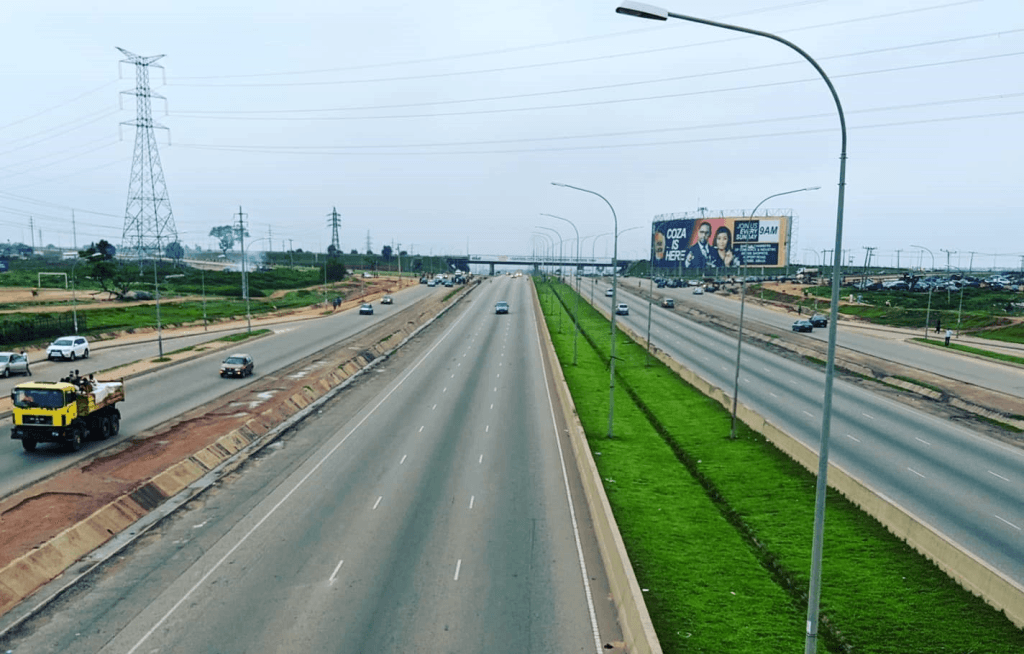
Lugbe has firmly established itself as one of the most critical residential safety valves in the Federal Capital Territory housing market. Positioned along the strategic Airport Road corridor, it functions as a sprawling suburban hub that offers a pragmatically priced alternative to the prohibitively expensive inner districts of Abuja. For thousands of middle-income professionals, civil servants, and young families, the area represents a viable path to securing decent, modern accommodation without undergoing the financial strain associated with central geographical zones.
The demographic footprint of Lugbe is predominantly defined by the upwardly mobile middle class, corporate employees who commute daily into the Central Business District, and professionals linked to the aviation sector due to the proximity of the international airport. It is a territory built on structural compromise. It appeals directly to those who prioritise square footage, modern estate lifestyle, and reasonable rental rates over the prestige and immediate proximity of Phase 1 city neighbourhoods.

However, living in Lugbe requires a clear-eyed understanding of its logistical and environmental trade-offs. The convenience of its modern gated estates stands in sharp contrast to the recurring bottleneck traffic along the Umaru Musa Yar’Adua Expressway during peak morning and evening hours.
Furthermore, infrastructural development across the district remains highly uneven, with well-paved, master-planned private enclaves sitting directly adjacent to older sectors that contend with substandard access roads and drainage challenges.
This guide provides an objective analysis of Lugbe to help prospective residents make a fully informed housing decision based on verified 2026 data.
What Is Lugbe?
Administratively, Lugbe sits squarely within the Abuja Municipal Area Council (AMAC), marking it out as a core satellite town rather than an autonomous municipality. Geographically, it occupies a strategic linear stretch along the Umaru Musa Yar’Adua Expressway, which is universally referred to as Airport Road.
It is situated roughly midway between the Nnamdi Azikiwe International Airport to the southwest and the core commercial centre of Abuja to the northeast.
The district is conventionally categorised into distinct architectural and administrative zones. The foundational anchor is the Federal Housing Authority (FHA) sector, which represents the older, more deeply integrated core of the settlement. Surrounding this original hub are Lugbe Phase 1, Phase 2, and the rapidly multiplying master-planned private estates that line both sides of the expressway.
Lugbe occupies a pivotal node in the capital’s transportation network, serving as the primary residential catchment area for the workforce that fuels the city centre but sleeps in the outer rings of the territory.
The Neighbourhood Feel
The overall character of Lugbe is a complex hybrid of a deeply settled suburban community and a frenetically developing urban frontier. As you move closer to the expressway, the ambience is defined by structured, quiet, and increasingly polished gated communities that mimic the security and layout of inner-city estates.
In contrast, stepping into the deeper interior axes reveals a high-density, highly commercialised, and organic environment where local markets, small businesses, and older residential properties create a noisy, energetic atmosphere.
The typical resident profile consists of mid-level civil servants working within federal ministries, private sector professionals in banking and telecommunications, and young couples establishing their first family homes. The day-to-day feel changes dramatically based on the clock.
It is exceptionally busy and chaotic between 6:30 AM and 8:30 AM as thousands attempt to exit onto the main expressway, turning into a serene, almost deserted suburban landscape during the afternoon, before reviving with commercial energy late into the night. When contrasted with a comparable area like Kubwa, Lugbe feels decidedly more modern and estate-centric, largely because its recent growth spurt has been driven by private corporate developers rather than government-allocated plots.
Key Streets, Zones, and Estates
The older heart of the district is the FHA Lugbe estate, an expansive area characterised by a mix of older bungalows, blocks of flats, and highly active commercial streets. Housing stock here varies wildly from dated government structures to modern renovations. Prices remain moderate, making it the preferred zone for long-term residents and local traders who value walking proximity to primary markets and public transport pick-up points.
Trademore Estate is one of the most visible and heavily populated residential landmarks along the corridor. It features a vast inventory of uniform two-bedroom and three-bedroom bungalows and duplexes. It attracts a dense population of middle-class families due to its structured layout, internal security architecture, and relatively affordable entry prices for standalone housing, though its lower-lying topography introduces specific seasonal challenges.

River Park Estate and the adjacent Premier Academy axis represent the upper echelon of the Lugbe residential market. These enclaves are characterised by premium architectural designs, fully paved internal asphalt roads, functional street lighting, and centralised utility management systems. The housing stock here consists primarily of luxury terraces, detached duplexes, and contemporary smart apartments, commanding a significant price premium that appeals to senior corporate executives and high-earning professionals.
Slightly further down the expressway are emerging hubs like Voice of Nigeria (VON) axis and Pyakasa. These zones are still actively developing, presenting a visual mix of completed modern estates and ongoing construction sites. The roads leading off the expressway into these interior pockets are frequently unpaved, but they offer some of the most competitive rental rates for newly built apartments, attracting young singles and newlywed couples willing to trade immediate road infrastructure for pristine interiors.
Rent Prices in Lugbe
The rental market in Lugbe for 2026 reflects its tiered structural reality, with prices heavily dependent on proximity to the expressway, estate security, and the age of the building infrastructure.
In the entry-level tier, which includes standard self-contained units and single-bedroom apartments in the interior zones of FHA or developing axes like Pyakasa, annual rent falls between ₦600,000 and ₦1,200,000. Moving into structured estates or newly finished apartment blocks, a modern 1-bedroom flat commands between ₦1,200,000 and ₦2,200,000 per annum.
For family-sized spaces, 2-bedroom flats in standard locations across Lugbe Phase 2 or older FHA structures attract an annual rent ranging from ₦1,400,000 to ₦2,500,000. However, inside premium, highly secure gated communities such as River Park Estate or top-tier private residential enclaves, a 2-bedroom flat easily reaches between ₦3,000,000 and ₦4,500,000 per year.
Three-bedroom apartments follow a similar geographic divide. In the open streets and older sections, they rent for ₦2,200,000 to ₦3,500,000. Within the modern, fully serviced private estates, 3-bedroom apartments or terraces command between ₦4,000,000 and ₦7,000,000 annually, while fully detached luxury houses can exceed ₦10,000,000.

To put these figures into a broader urban perspective, renting a 2-bedroom flat in Lugbe for ₦2,500,000 is significantly more economical than central high-end districts like Wuse 2 or Maitama, where a similar flat costs between ₦5,000,000 and ₦9,000,000. Conversely, it is pricier than further outlying satellite territories on the deep Abuja periphery, such as Mararaba or Kuje, where comparable spaces can still be secured for under ₦1,000,000.
Payment terms remain strictly bound to the traditional Nigerian model, requiring a one-year lump-sum advance payment, alongside standard supplementary fees for legal documentation, agency representation, and refundable caution deposits.
For current verified listings with real-time pricing and availability, browse apartments in Lugbe on Expert Listing.
Flooding: What You Need to Know
Flooding in Lugbe is a highly localised seasonal reality that demands meticulous geographic scrutiny from prospective renters. The primary risk occurs during the core Abuja rainy seasons, which typically span from April to July and reappear with intensity from September to October.
The fundamental cause of flash flooding in specific sections of Lugbe is a combination of low-lying basin topography, proximity to natural stormwater discharge channels, and historical instances of residential structures encroaching on natural waterways.
The most notoriously vulnerable sector is the lower valley section of Trademore Estate and specific low-lying coordinates near the AMAC Market drainage channels. During intense, prolonged downpours, the streams running adjacent to these zones frequently overflow their boundaries, overwhelming the internal drainage networks and flooding access gates and roads.

Conversely, elevated sub-zones such as the FHA heights, River Park Estate, and the private estates situated on higher ground along the main expressway ridge face minimal to no flood risks because surface runoff flows rapidly away from the residential clusters into the central regional channels.
Expert Listing maps flood-risk signals at the individual listing level so you’re working with precise data, not general impressions.
Safety and Security
When measured against general Abuja satellite town standards, Lugbe maintains a stable and moderate safety profile. The security configuration is binary, split cleanly between the gated estates and the open communal streets. Inside the formal private estates, security is highly controlled, featuring perimeter wall fencing, 24-hour manned sentry gates, mandatory visitor clearance protocols, and regular internal night patrols.
In the unfenced, open residential zones and older commercial quarters, security relies primarily on local community vigilante groups and localised police visibility. While violent crime rates remain low, these open areas experience occasional instances of opportunistic petty theft, car accessory vandalism, and burglary, particularly during late-night hours.
Residents generally exercise standard urban caution, avoiding unlit interior access tracks after midnight and ensuring their properties possess functional burglar-proofing.
Commute and Getting Around
Navigating life in Lugbe requires adjusting daily schedules to fit the patterns of the airport highway.
- To Maitama, Asokoro, and Wuse 2: The journey to these core northern districts covers roughly 25 to 30 kilometres. During off-peak hours, a drive via the Airport Road onto the continuous inner-city flyovers takes a swift 20 to 25 minutes. During the gruelling morning rush hour between 7:00 AM and 9:00 AM, traffic bottlenecks at the Galadimawa and National Stadium intersections can extend this commute to anywhere between 50 and 80 minutes.
- To the Central Business District (CBD): Reaching the commercial core follows the exact same route but breaks off earlier toward the Central Area. An off-peak drive takes about 15 to 20 minutes, while the morning rush hour stretches the journey to 40 to 60 minutes.
- To major satellite hubs: Moving across to other key regional hubs like Gwarinpa or Kubwa involves utilising the bypass networks or connecting through the city’s main arterial links. This trip generally requires 30 to 45 minutes, depending entirely on the hour.
- Internal transport within Lugbe: Mobility inside the neighbourhood is highly functional. Regular green painted commercial taxis and mini-buses ply the main expressway and major estate entries. Internal movement into the deep streets is heavily serviced by tricycles (keke) and registered motorcycles (okada), while ride-hailing services like Uber and Bolt have high vehicle density throughout the district, ensuring quick pickup times inside all major estates.

Schools
The rapid influx of middle-class families into Lugbe has catalysed the development of a strong educational ecosystem, offering several institutions that follow both national and international academic curricula.
- Premiere Academy – A premium co-educational boarding school located within the FHA sector, highly regarded for its robust science infrastructure and strong academic track record.
- Junior Secondary School – Lugbe 2 – A notable public basic education institution serving the local community under the FCT Universal Basic Education Board framework.
- Intellectual Harvard Schools – A private primary and secondary institution focusing on early childhood foundation and solid secondary education preparation.
- Great Heights Academy — A well-structured institution located within the broader district radius, catering to families seeking strong moral grounding alongside standard academic delivery.

This solid concentration of educational facilities means families residing in Lugbe can educate their children entirely within their immediate home environment, completely avoiding the stress of transporting young students into the city centre every morning.
Healthcare
Medical infrastructure in Lugbe is highly accessible, featuring a functional mix of comprehensive private facilities and specialised centres capable of handling emergencies and routine care.
- Margaret Lawrence University Teaching Hospital – Situated within the River Park Estate axis, this state-of-the-art facility provides 24/7 advanced multi-disciplinary medical care, imaging, and specialist surgical interventions.
- Federal Medical Centre Outpost – A public facility providing essential healthcare services, maternal care, and routine medical consultations to the general population.
- Prime-Care Hospital – A dependable private medical setup catering to family medicine, emergency stabilisation, and pediatric care along the main commercial corridors.
The presence of these hospitals ensures that residents have access to high-grade emergency stabilisation and comprehensive inpatient care right in their neighbourhood, eliminating the stressful need to rush into the inner city during a medical crisis.
Lifestyle, Food, and Retail
The retail landscape in Lugbe is highly practical and decentralised. For everyday groceries and household supplies, residents rely on a vast network of mid-sized supermarkets such as Everyday Supermarket and H-Medix along the main highway corridors. Fresh produce, meat, and local ingredients are primarily sourced from the expansive Lugbe Main Market (FHA) or the AMAC Market, both of which serve as high-volume hubs for affordable shopping, though they can become highly congested during weekend hours.
The dining scene in Lugbe has expanded significantly, driven by the emergence of quick-service restaurant chains and local culinary spots. Outlets like Chicken Republic, Kilimanjaros, and various localised shawarma and grilled fish joints line the major streets, providing reliable options for casual dining and takeout. While the culinary options are highly functional and diverse enough for regular family outings, the neighbourhood lacks the dense concentration of high-end fine dining, continental bistros, and trendy cafes that define the luxury lifestyle landscape of inner-city zones like Wuse 2.
For a comprehensive mall experience, residents drive a short distance down the expressway to the prominent Gateway Mall or head toward the central districts to access the Jabi Lake Mall, which is reachable in about 20 to 25 minutes. These locations provide a standardised lifestyle experience, housing modern cinema screens, international clothing retail storefronts, children’s play sections, and pharmacy chains.

Community recreation within Lugbe is largely anchored around individual estate clubhouses and localised fitness hubs. Several private gyms operate within the secure gated enclaves to serve fitness enthusiasts, while spot venues like the neighbourhood parks provide open spaces for weekend football matches, morning jogs, and casual evenings socialising under a relaxed suburban sky.
Utilities: Power and Water
The electrical supply in Lugbe is managed by the Abuja Electricity Distribution Company (AEDC). Power allocation is highly uneven and strictly follows the national “band” categorisation system based on localised infrastructure. Properties situated within the elite, high-paying private estates along the expressway enjoy a stable allocation of 16 to 20 hours of electricity daily under Band A tariffs.
In contrast, the older interior streets and unmapped zones experience frequent supply interruptions, receiving between 6 and 10 hours of power per day. Consequently, owning a functional generator backup system or installing a solar inverter array remains a standard housing requirement across the district.
Water provisioning in Lugbe is almost entirely driven by localised private solutions.
The central FCT public water pipe network does not comprehensively serve the entire satellite layout, meaning that virtually every residential building or gated estate relies on private motorised boreholes. The underground water table along the Airport Road corridor is generally reliable and clean, but property owners must invest in functional water treatment and filtration systems to manage mineral sediment.
Prospective tenants must inquire thoroughly about internal estate service charges, water pumping schedules, and localised generator fuel levies before committing to a lease agreement.
Who Lugbe Is Best For
- Middle-income families and civil servants. The abundance of spacious three-bedroom bungalows and secure duplexes within master-planned estates allows families to access a protective environment for children without paying inner-city prices.
- Aviation industry workers and airport staff. The strategic positioning along the Umaru Musa Yar’Adua Expressway reduces the daily commute to the Nnamdi Azikiwe International Airport to less than 15 minutes, making it an ideal residential base for pilots, cabin crew, and logistics personnel.
- Young corporate professionals who work hybrid schedules. For individuals who only need to commute into the Central Business District a few times a week, the area offers modern, aesthetically pleasing apartments at a fraction of central city costs.
- First-time property buyers and real estate investors. The rapid pace of private developmental expansion makes Lugbe a prime location for acquiring affordable land or off-plan estate homes that show clear multi-year capital appreciation signals.
What to Watch Out For
- Heavy peak-hour expressway traffic bottlenecks. Commuters must reconcile themselves to daily traffic hold-ups at major intersections like Galadimawa and the Stadium area, which can severely disrupt early morning schedules if one exits late.
- Localised seasonal flash flooding in low topography zones. Specific lower segments of older estates and sectors near natural drainage channels face real risks of water accumulation during the heavy rainy months.
- Highly uneven access road quality once off the main highway. While the primary expressway is a world-class asphalt road, the secondary tracks branching into the interior neighbourhoods are often unpaved, dusty in the dry season, and muddy during rains.
- Unpredictable public power supply variations outside elite estates. Relying purely on grid electricity is unfeasible in the open sectors, forcing an immediate financial dependence on alternative inverter or generator running costs.
Ready to Find Your Apartment in Lugbe?
Every listing on Expert Listing is checked before going live. Location is mapped precisely against flood-risk data. Listings are removed the moment they’re rented or sold. No ghost listings, no wasted trips.
Browse verified apartments for rent in Lugbe on Expert Listing.
Frequently Asked Questions
What is Lugbe known for?
Lugbe is primarily recognised as one of Abuja’s most prominent and fastest-growing residential satellite towns, famed for its strategic positioning directly along the airport highway. It is widely known for offering a vast inventory of affordable, modern gated estates that cater directly to the housing needs of the middle-class workforce. Additionally, it serves as a major commercial transit node, connecting the inner capital city to the international airport and providing a functional, cost-effective suburban lifestyle.
How much is rent in Lugbe in 2026?
The rental rates in Lugbe for 2026 depend heavily on the specific estate structure and proximity to the main expressway. A standard 1-bedroom flat ranges from ₦1,200,000 to ₦2,200,000, while a typical 2-bedroom family flat commands between ₦1,400,000 and ₦2,500,000 annually. For larger 3-bedroom apartments or terrace houses located within high-end, fully serviced private enclaves, rental values generally range from ₦4,000,000 to over ₦7,000,000 per year.
Is Lugbe safe to live in?
Lugbe maintains a generally stable security environment that aligns comfortably with mainstream Abuja mainland safety benchmarks. The overall safety level increases significantly if you reside within any of the master-planned private estates, which feature uniform perimeter wall defences and 24-hour manned access control gates. While the open commercial zones and older streets require standard urban alertness to avoid petty nighttime theft, violent crime remains structurally uncommon across the district.
Does Lugbe experience severe flooding?
Flooding in Lugbe is not a universal issue but a highly localised problem confined to specific low-lying topographies and building paths. During the heavy downpours of the April to July and September to October rainy seasons, areas like the lower valley of Trademore Estate experience intense seasonal flash floods due to natural channel overflows. However, the higher ground developments, the older FHA heights, and premium estates face no structural flood vulnerabilities due to their elevated positions.
How long does it take to travel from Lugbe to the Abuja Central Business District?
The travel time from Lugbe to the city centre is entirely dictated by the hour of departure. During off-peak daytime hours or over the weekend, a smooth drive down the airport expressway brings you to the Central Business District in approximately 15 to 20 minutes. Conversely, during the intense morning rush hour traffic, the exact same journey can easily take between 40 and 60 minutes due to congestion at key urban intersection points.