Mabushi, Abuja: The Complete Area Guide
Expert Listing
·
·
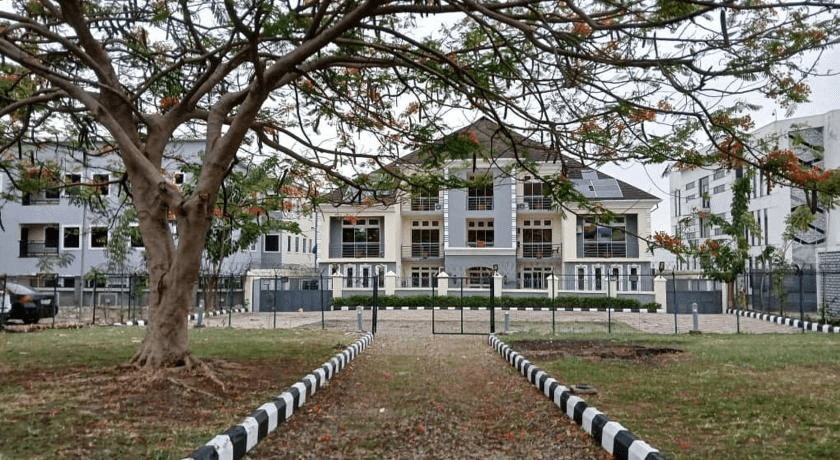
Mabushi is a rapidly evolving, hyper-strategic neighbourhood that strikes an ideal balance between urban vitality and suburban peace. For years, it sat quietly as an overlooked middle ground between established districts, but today it is a real estate gem. The district has completely shed its historical identity as a rural, agricultural outpost on the city fringes.
What truly sets Mabushi apart is its positioning. It acts as an infrastructural bridge, linking the upscale lifestyle hubs of Wuse II and Maitama with the expanding residential frontiers of Jahi, Katampe, and Gwarimpa.
This geographic advantage means residents can escape the high-density chaos of central business districts without sacrificing proximity. The air here feels slightly clearer, the streets are wider, and the neighbourhood preserves a structured, Master Plan-compliant layout that shields it from uncontrolled commercial sprawl.
As you drive through Mabushi, you will quickly notice monolithic luxury apartment structures, sleek glass commercial plazas, and gated estate walls that run parallel to wide, tree-lined boulevards. It is a neighbourhood in the prime of its growth cycle, mature enough to offer fully functional civil infrastructure, yet young enough to present a fresh, unstuffy, and highly modern architectural aesthetic.
Whether you are an investor looking for high rental yields or a family seeking an accessible home base, the Mabuishi Area Guide offers you a well-rounded slice of living in Abuja.
What is Mabushi?

To understand Mabushi, you must look at its origins.
Before Abuja was officially recognised as Nigeria’s capital city in 1991, Mabushi was primarily a quiet, agricultural settlement. Local indigenous communities dominated the landscape, focusing on farming and traditional crafts like basket weaving. The terrain was heavily dominated by dense bushland and small family compounds.
When Abuja began to take physical shape across the decades, Mabushi’s central positioning meant it was earmarked for major infrastructural grid integration, laying the structural groundwork for its modern metamorphosis. Today, Mabushi is classified as a high-density, mixed-use residential and commercial district. It occupies a pivotal coordinates map bounded by Jahi and Katampe to the north, Wuse to the east, Utako and Jabi to the south, and Kado to the west.
This spatial positioning puts it at the dead centre of Abuja’s middle-belt districts. It functions smoothly as an urban release valve, capturing the residential overflow from over-saturated Phase 1 neighbourhoods while simultaneously introducing a highly premium corporate footprint of its own.
Furthermore, Mabushi represents a fascinating demographic melting pot within the FCT. It is a place where young upwardly mobile professionals, foreign expatriates, and families coexist within securely walled perimeters. The district preserves an open, welcoming energy that blends local cultural expressions with a distinctly cosmopolitan lifestyle.
From the bustling informal interactions near its major transit junctions to the pin-drop silence of its elite gated communities, Mabushi stands out as a highly dynamic, self-contained urban ecosystem.
The Neighbour Feel for Mabushi
Mabushi has an incredibly distinct feel that completely depends on which side of the district you happen to turn into. On one end, it feels remarkably corporate, structured, and fast-paced. This is the side defined by major administrative landmarks, security check-points, and imposing glass office facades.
The constant hum of corporate traffic during the day gives it an industrious, high-energy vibe that immediately tells you that you are close to the nation’s center of power and commerce. Step away from the primary commercial thoroughfares, however, and the atmosphere shifts into a highly tranquil, upscale residential sanctuary.
Once you enter the internal grid networks, the noise of Abuja’s major expressways drops off dramatically. Here, the feel is defined by rows of uniform, beautifully manicured townhouses, modern duplexes, and the gentle visual hum of kids playing within paved estate cul-de-sacs. It feels private, highly secure, and intentionally insulated from the outside world.
There is also an organic, community-centric side to Mabushi. Because the neighborhood is still filling in its final empty plots, there is a shared sense of growth among the residents. Neighbors interact at local boutique, pharmacies, neighborhood supermarket aisles, and premium fitness centers. It doesn’t feel cold or completely detached like some of Abuja’s ultra-luxury, low-occupancy sectors. It feels like a lived-in, highly functional neighborhood where people are actively building long-term community roots.
Key Streets, Zones, and Estates
Mabushi’s structural layout is anchored by several highly identifiable arteries and exclusive real estate zones.
Ahmadu Bello Way Intersection Grid: This is the lifeblood northern boundary of Mabushi. The zone directly off this major arterial highway houses a significant mix of retail plazas, financial institutions, and high-end mixed-use developments.
Properties located within this grid command premium pricing because they provide instantaneous entry and exit points to the rest of the capital without requiring drivers to navigate internal neighborhood bottleneck streets.
The VIO Office Zone is an essential reference point in Mabushi. It surrounds the Directorate of Road Traffic Services (commonly called the VIO Office). This sub-zone acts as a central geographic anchor within the district. The roads radiating from this administrative hub are completely tarred, highly visible, and heavily patrolled, making the immediate cluster of newly built 4-bedroom and 5-bedroom terrace duplexes highly sought after by security-conscious renters and buyers alike.
Crown Court Estate is the epitome of luxury within Mabushi. This highly exclusive, fully serviced gated community features premium paving, decentralized solar grids, uniform architecture, and top-tier private security. It serves as a benchmark for luxury property valuations within the entire district.
Christy’s Court & Sapphire’s Court Axis: Tucked into the quieter residential inner core of Mabushi, this specific zone is famous for its collection of high-spec standalone duplexes and premium multi-family townhouses. It is the definitive family-centric zone of Mabushi, characterised by low ambient noise levels, dedicated private drainage systems, underground cabling, and highly restrictive estate gates.
Rent Prices in Mabushi
The rental market in Mabushi is premium, reflective of its central location, high-quality infrastructure, and the continuous demand from professionals who work in the Central Business District and Wuse II.
Prices vary based on the age of the building, estate amenities such as 24-hour backup power and uniform guards, and structural finishes.
1-Bedroom Apartments & Studio Units: Ideal for young corporate professionals and single residents, a modern 1-bedroom flat or high-end studio apartment in Mabushi commands between ₦3,000,000 and ₦5,000,000 per year.
2-Bedroom Apartments: Perfect for small families or corporate expats, standard 2-bedroom apartments featuring all en-suite rooms and modern fitted kitchens generally range from ₦5,500,000 to ₦8,000,000 annually, depending heavily on the level of estate servicing.
3-Bedroom Flats & Apartments: Spacious 3-bedroom units, often including a dedicated Boys’ Quarters (BQ), average between ₦8,500,000 and ₦12,000,000 per year within secure residential developments.
4-Bedroom & 5-Bedroom Terrace or Detached Duplexes: For large families and high-net-worth individuals seeking expansive spaces, private parking, and maximum security, premium duplexes within top-tier estates like Crown Court or the VIO Axis command between ₦14,000,000 and ₦25,000,000 per year.
What You Need to Know About Mabushi

Before committing to a property lease or land acquisition in Mabushi, there are operational and structural realities of the district that you must understand. Unlike some peripheral zones where building regulations can be fluid, Mabushi is under the constant oversight of the Development Control Department.
This means that arbitrary commercial conversions of residential properties are frequently met with enforcement actions. When searching for space, ensuring clean property titles and clear land-use zoning is absolutely non-negotiable. You need to understand that Mabushi is structurally divided into fully developed urban zones and emerging construction frontiers.
While the core streets are meticulously tarred with functional street lighting, some secondary access roads connecting newer estates are still undergoing construction. This means that your daily driving experience can change from seamless asphalt to bumpy earth roads within a single turn, making it critical to inspect the specific access road leading directly to any property you are considering.
The localised economy of Mabushi is intrinsically tied to its accessibility. It borders major high-density zones like Utako and Wuse II, and the district experiences a daily tidal wave of commuter transit across its perimeter expressways. This infrastructural interaction keeps property demand resilient against wider economic downturns, making Mabushi a highly liquid real estate market where well-priced apartments rarely sit vacant for more than a few weeks.
Safety and Security in Mabushi
Security is a primary selling point for the Mabushi district, making it a highly favored neighborhood for families, diplomats, and senior corporate executives. The presence of major institutional offices within and around the perimeter ensures a constant baseline of state security patrols.
Police visibility along primary thoroughfares is high, and the strategic road checkpoints active during off-peak hours act as a powerful deterrent against opportunistic crime. The vast majority of residential spaces in Mabushi are configured as gated estates or closed clusters. These communities deploy multi-tiered security screening protocols, including:
- 24-hour manned access gates with mandatory visitor clearance procedures.
- Perimeter industrial electric fencing and synchronized CCTV camera arrays covering blind spots.
- Armed private security guards conducting routine internal foot patrols.
While the inner estates are incredibly secure, standard urban safety precautions apply when moving along the outer expressways or major transit roundabouts late at night. The high-density pedestrian movement near the borders with neighboring Utako requires residents to maintain normal situational awareness against occasional pickpocketing or petty street crimes in crowded informal transport points.
Commute and Getting Around

Mabushi is arguably one of the most connected transport hubs in the Federal Capital Territory. It is framed perfectly by a tripartite expressway system consisting of Ahmadu Bello Way, Shehu Yar’Adua Way, and the Nnamdi Azikiwe Expressway. This layout ensures effortless commutes to almost every critical district in Abuja.
To Wuse II / Maitama: A direct drive via Ahmadu Bello Way connects you straight into the heart of Wuse II and Maitama within 7 to 12 minutes under normal traffic conditions. This gives residents instant access to Abuja’s premier culinary, retail, and diplomatic nerve centers.
To Jabi / Utako: Located directly south across Shehu Yar’Adua Way, reaching Jabi or Utako takes less than 5 minutes. This proximity makes it incredibly convenient for catching long-distance interstate transport or visiting the Jabi Lake Mall.
To Central Business District (CBD): Commuting to the main judicial, governmental, and corporate headquarters in the Central Area takes roughly 10 to 15 minutes via the Nnamdi Azikiwe Expressway, offering a highly efficient daily route for civil servants and corporate executives.
To Gwarimpa: Heading westward via the expressway brings you straight into the sprawling residential hub of Gwarimpa within 10 to 15 minutes, making school runs or family visits effortless.
To Abuja International Airport: For frequent flyers, the seamless connection from Mabushi onto the airport road network via the expressway means you can reliably reach the Nnamdi Azikiwe International Airport within 30 to 35 minutes, bypassing downtown city traffic entirely.
Schools
For families residing in Mabushi, access to premium education is guaranteed without the need for long, stressful morning commutes outside the district.
- The Regent Primary & Secondary School operates as a top-tier British-style educational center. It is the first school in Nigeria to be judged completely “Outstanding” by the British Schools Overseas (BSO) inspection framework, offering a world-class curriculum spanning early years through secondary levels. It is located at Plot 858, Mabushi District, Abuja, directly accessible off the main internal boulevard near the VIO Office complex.
- Mabushi Primary School is a public educational institution within the district, catering to local community development and providing standard primary education under the FCT Universal Basic Education framework. It located within the historical village enclave sector of the district.
There are other schools near Mabushi.
Healthcare
Mabushi is home to some of the most advanced healthcare facilities in West Africa, ensuring residents have round-the-clock access to emergency, diagnostic, and specialized medical care.
- Zhahir Hospital & Diagnostic Centre provides a wide range of medical, surgical, and diagnostic services in the Mabushi area. Located at Plot 916, Cadastral Zone B6, Mabushi, to serve comprehensive general surgery (appendectomy, gallbladder surgery, hernia repair), routine checkups, specialised care, and full diagnostic imaging.
- Pharmland Pharmacy (Tuccimed) is a trusted, well-stocked retail pharmacy and clinical store providing essential prescription medications, over-the-counter drugs, medical supplies, and basic diagnostic health checks (blood pressure/sugar tracking) to neighbourhood residents. It is located at No. 4 Inuwa Wada Crescent, very close to the residential estate clusters
- Cellulose Medical Laboratory is a specialised diagnostic and medical laboratory centre offering accurate pathology, haematology, and biochemical testing services for patients and referring clinics within the district. It is located at 1186, Cadastral Zone B06, Mabushi District, Abuja.
Lifestyle, Food, and Retail in Mabushi
The lifestyle landscape in Mabushi is a sophisticated mix of relaxed residential leisure and immediate access to massive retail hubs.
Supermarkets: Mabushi sits directly adjacent to Kado and Jahi, residents are only minutes away from major landmarks like the Next Cash & Carry site axis and the Jabi Lake Mall. This means that whether you need bulk grocery shopping, international fashion brands, or cinema entertainment, you never have to travel far from home.
Restuarants: Mabushi houses an array of boutique coffee shops, artisan bakeries, and modern fast-casual restaurants. It is an ideal neighborhood for weekend brunch or evening casual dining.
For a more traditional culinary experience, high-end local spots serve authentic Nigerian cuisine in beautifully designed, secure settings that cater to corporate lunch meetings and family dinners alike.
Wellness and recreation: Mabushi boasts of several premium, multi-floor fitness centres and gym facilities equipped with modern strength-training gear, spa treatment rooms, and indoor cycling studios. The wide, tree-lined sidewalks within the secure estates also create a perfect environment for early morning jogging or evening strolls
Utilities, Power, and Water
The infrastructure grid in Mabushi is highly developed compared to other Abuja districts, but utility experiences depend heavily on the specific estate or building complex you choose to occupy.
The public electricity supply via the Abuja Electricity Distribution Company (AEDC) is relatively stable in Mabushi, often receiving priority routing due to the presence of nearby government administrative installations. However, to guarantee uninterrupted operations, almost all residential estates and corporate plazas deploy automated backup power solutions.
Public water infrastructure from the FCT Water Board serves a significant portion of the district. To ensure complete self-sufficiency, however, virtually every private development and gated estate utilises a dual system, a primary connection to the public water mains backed up by industrial-grade private boreholes and multi-stage water treatment filtration plants to guarantee clean water delivery round the clock.
Who is Mabushi For?

Corporate Professionals: Individuals working in the Central Business District or Wuse II who want a premium, modern apartment with a short commute time that avoids major city traffic bottlenecks.
Expatriates and Diplomatic Staff: Foreign nationals who require international-grade security, proximity to major medical centres like Zhahir Hospital, and high-end serviced apartment options.
Growing Families: Parents who prioritise safety and want their children enrolled in elite institutions like The Regent School without having to endure gruelling daily school runs.
Retirees and Senior Citizens: Individuals seeking a quiet, secure, and structured residential environment that remains close enough to the city centre for effortless medical and social access.
Things to Watch Out For in Mabushi
While Mabushi is an incredible place to live, potential residents should be mindful of a few localised challenges before moving in.
Mabushi is still experiencing a massive real estate boom, and there are several active construction sites scattered throughout the district. Depending on where your property is situated, you may experience occasional daytime noise from heavy machinery and localised dust.
While the primary streets and estate roads are impeccably tarred, some secondary or tertiary connecting tracks between newer developments remain unpaved. During the peak of the rainy season, these specific earth roads can become muddy and challenging for low-clearance vehicles.
During peak morning and evening rush hours, the major entry and exit junctions connecting Mabushi to Wuse II and the Nnamdi Azikiwe Expressway can experience brief but intense traffic volumes as commuters from outer districts pass through the area.
Ready to Find Your Apartment in Mabushi?
If you are convinced that Mabushi is the right fit for your lifestyle or investment goals, your next step should be a structured physical exploration of the district. Renting or buying here requires working with verified, licensed real estate agents who have a direct physical presence in the neighborhood to shield yourself from fraudulent listings.
Explore our exclusive portfolio of apartments in Mabushi today.
Browse verified apartments on Expert Listing today.
Frequently Asked Questions
Is Mabushi considered a safe place to live in Abuja?
Yes, Mabushi is widely regarded as one of the safer districts in Phase 2 of Abuja. The high density of gated estates, multi-tiered security screening gates, regular police patrols along major routes, and its close proximity to major administrative hubs ensure a highly secure living environment for residents.
How is the power supply in Mabushi?
The public grid electricity supply is relatively stable, but it varies by zone. Most premium townhouses and apartments in Mabushi are located within serviced estates that provide 24-hour backup power through integrated solar grids or centralized standby diesel generators.
Are there good schools located directly within Mabushi?
Mabushi houses some of Abuja’s most prestigious educational institutions, most notably The Regent Primary and Secondary School, which offers a world-class British curriculum and sits securely within the district’s boundaries.