Utako Extension, Abuja: Area Guide
Expert Listing
·
·
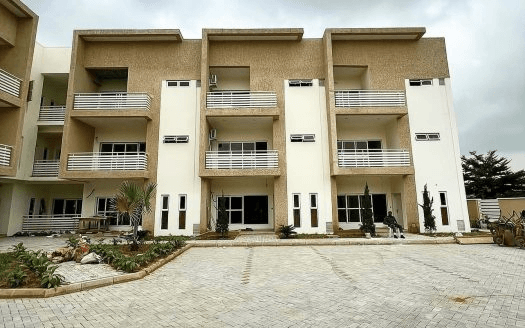
Choosing where to live in Abuja requires balancing proximity to the centre against the actual cost of daily living. Utako Extension sits directly at this intersection, carving out a specific identity within Phase 2 of the Federal Capital Territory master plan. While the main Utako district is widely recognised for its heavy commercialisation and the chaotic energy of interstate transport hubs, Utako Extension functions as its quieter, predominantly residential buffer. It offers professionals and growing families a strategic position that feels disconnected from the transit terminal noise, yet remains under ten minutes from the primary business districts.
The target renter profile here consists largely of mid-to-high-income corporate professionals, civil servants, and young families who want to avoid the crushing rental premiums of Wuse 2 or Maitama without dropping out of the central municipal network. For this demographic, the area acts as a pragmatic refuge. It allows residents to easily work in the Central Business District or socialise in Jabi while retreating to an environment composed mainly of secure gated estates, modern apartment blocks, and tree-lined avenues.
However, moving here involves clear structural trade-offs that any prospective tenant must evaluate honestly. The rapid transition from open plots to high-density residential blocks has severely stretched local infrastructure, resulting in patchy internal road maintenance and localised drainage issues during peak rainfall.
Furthermore, because it sits directly on the periphery of major commercial corridors, the perimeter streets experience notable transit congestion during morning and evening rush hours.
This guide breaks down the realities of living, working, and renting in Utako Extension so you can make a calculated decision before committing your capital.
What Is Utako Extension?
Utako Extension is located within the Abuja Municipal Area Council (AMAC), which is the primary administrative local government area for the capital city centre. Geographically, it occupies a highly central position just northwest of the Abuja city centre.
It is bordered immediately by Jabi to the west, Mabushi to the north, Wuye to the south, and the highly commercialised Wuse district to the east. This specific placement ensures that the district functions as an operational bridge between the core institutional hubs of the capital and the rapidly expanding middle-class residential suburbs further out.
The district is structurally framed by three of Abuja’s most critical transport arteries. The Nnamdi Azikiwe Expressway runs along its outer edge, providing a direct corridor to both the northern suburbs and the highway leading to the Nnamdi Azikiwe International Airport. Obafemi Awolowo Way slices horizontally through the axis, linking it straight to Wuse and the Central Business District, while Shehu Yar’adua Way anchors its northern boundary near Mabushi. Internally, the extension is generally demarcated by newer estate zones and clusters that sit away from the older, more chaotic Utako Market and the primary interstate bus parks along Okonjo-Iweala Way.
The Neighbourhood Feel

The overall character of Utako Extension is a mixture of an established, upscale suburban enclave and a rapidly densifying urban apartment zone. Unlike older, completely settled sections of Garki or Wuse, the extension is still actively evolving, with ongoing construction of modern terrace duplexes and multi-story block flats filling the remaining pockets of land.
The day-to-day ambience shifts dramatically based on your exact position. Deep within the gated developments, the environment is exceptionally quiet and orderly, characterised by paved interior roads and structured security barriers. Along the unlocked secondary roads and perimeter axes, however, the feel becomes decidedly urban and dense, driven by delivery vehicles, domestic staff, and local vehicular bypass traffic.
The typical resident profile is dominated by upwardly mobile Nigerian professionals. This includes senior corporate employees, tech workers, mid-level to senior civil servants working in nearby federal ministries, and expatriates attached to non-governmental organisations. It is also an incredibly popular area for young families who have outgrown small apartments in peripheral areas like Lugbe or Kubwa and want a structured environment close to top-tier schools.
When contrasted with Wuse 2, Utako Extension lacks the dense concentration of high-street retail, showrooms, and late-night lounges, opting instead for a subdued residential footprint. Compared to Wuye, which shares a similar mid-tier positioning, Utako Extension feels significantly more integrated into the commercial pulse of the city, trading a bit of Wuye’s isolated serenity for immediate access to supermarkets, restaurants, and main transit routes.
Key Streets, Zones, and Estates

The residential core of Utako Extension is anchored by several prominent gated communities and key residential corridors that dictate local property values. Glory Court Estate stands out as one of the most exclusive and strictly managed enclaves in the entire district.
It features a uniform landscape of premium terrace houses and detached duplexes, drawing corporate executives who value strict access control. The estate is highly self-contained, offering residents integrated recreational spaces like basketball courts and private lounge areas, all managed under a unified service charge structure.
Dove Court Estate is another highly sought-after residential zone within this extension, known for its distinctive architectural layout and clean, green aesthetic. The housing stock here consists heavily of well-proportioned terraced townhouses and semi-detached units that cater directly to families. Security is exceptionally tight, with mandatory visitor clearance protocols at the main gate. Its internal infrastructure is exceptionally well-maintained, featuring reliable drainage lines and private fitness spaces that shield residents from the external pressures of the public municipal grid.
Home Trust Garden Estate, situated in close proximity to the Customs Quarters axis, offers a more diverse mix of housing options, ranging from two-bedroom and three-bedroom blocks of flats to larger semi-detached duplexes. This zone is heavily populated by senior civil servants and corporate professionals due to its exceptional proximity to the major exit routes leading onto the Nnamdi Azikiwe Expressway. The community feel here is highly active and collaborative, though the density is noticeably higher than what you find inside Glory Court.
Away from the structured estates, the corridors flanking Moses A. Majekodunmi Crescent and the residential blocks near the National Health Insurance Authority (NHIA) headquarters form a distinct sub-zone.
This area is characterised by independent multi-family apartment blocks and standalone duplexes. It appeals heavily to young single professionals and couples who prefer the independence of standalone tenancies over the strict rules and high service levies of formal residential estates.
Rent Prices in Utako Extension
Rental values in Utako Extension reflect its premium Phase 2 status and its role as a cost-effective alternative to Phase 1 districts.
For a modern, well-finished one-bedroom apartment or self-contained studio, annual rent ranges from ₦2,500,000 to ₦4,000,000, with prices hitting the higher end inside serviced blocks that provide integrated generator power. Two-bedroom apartments generally command between ₦4,500,000 and ₦6,500,000 per annum, depending on the age of the building and the presence of uniform estate security. Three-bedroom apartments and family townhouses within the top-tier gated estates like Glory Court or Dove Court routinely command between ₦7,000,000 and ₦10,000,000 annually.
When placed against the broader Abuja market, these figures demonstrate a clear geographic discount. A comparable two-bedroom apartment in a prime Phase 1 district like Wuse 2 or Maitama easily commands between ₦8,500,000 and ₦12,000,000 per annum, highlighting the immediate savings Utako Extension offers.
Conversely, looking toward outer suburban hubs or cheaper districts like Lokogoma or Kubwa, similar two-bedroom units can be found for ₦1,800,000 to ₦3,000,000, though tenants there trade away central access and face significantly longer daily commutes.
Payment terms in Utako Extension remain strictly bound to the traditional Nigerian model, requiring a full annual lump-sum payment in advance. For brand-new developments or highly competitive serviced estates, landlords often demand a two-year initial rent upfront from new tenants, alongside standard agency fees, legal fees, and refundable caution deposits that typically add an extra 15% to 25% to the total upfront cost.
For current verified listings with real-time pricing and availability,
Flooding: What You Need to Know
Flooding in Utako Extension is primarily characterised by rapid flash-flood events during Abuja’s two distinct rainy seasons, which run from April to July and again from September to October. Because Abuja sits on a undulating terrain with significant rocky outcrops, stormwater run-off naturally collects in lower-lying plains.
The primary structural cause of waterlogging in the extension is not a lack of natural elevation, but rather the rapid, sometimes unregulated conversion of green spaces into concrete residential foundations, which drastically limits natural ground absorption.
The specific areas most vulnerable to street-level flooding are the secondary access roads connecting the main avenues to the independent apartment blocks, particularly around the lower-lying plains near the market borders and the unpaved channels close to the major construction sites.
During torrential downpours in June or September, these secondary streets can experience severe waterlogging because the secondary drainage gutters are frequently blocked by poorly managed domestic waste and construction debris.
In contrast, structured gated communities like Dove Court Estate and Glory Court Estate fare significantly better. These developments were executed with dedicated, concrete-lined internal drainage networks that efficiently channel storm water out toward the primary municipal canals along the major expressways. When evaluating a property outside of a managed estate, it is essential to inspect the elevation of the property’s foundation relative to the gutter line on the street.
Expert Listing maps flood-risk signals at the individual listing level so you’re working with precise data, not general impressions.
Safety and Security
From a security standpoint, Utako Extension maintains a very reassuring profile relative to general Abuja standards. It benefits directly from its central positioning and its immediate proximity to several high-profile institutional buildings and military/paramilitary quarters, which ensures a consistent patrol presence by federal security agencies.
Street-level crime, such as armed robbery or violent home invasions, is rare, though opportunistic petty theft, car parts vandalism, and phone snatching can occur along poorly lit perimeters or near the commercial borders late at night.
The safety infrastructure changes completely when moving from open public streets to managed estates. Inside communities like Glory Court and Home Trust Garden Estate, security is robust, relying on 24-hour manned gates, compulsory visitor logs, physical identity card checks, and localised mobile patrols.
Property owners in these estates frequently install private closed-circuit television (CCTV) cameras and electric perimeter fencing to add extra layers of protection. On the open residential streets, security is more decentralised, with individual property owners employing private security guards or local vigilante personnel to manage their gates.
Standard urban precautions, such as ensuring your vehicle is parked within a locked gate overnight and avoiding walking alone on unlit side streets past 10:00 PM, are entirely sufficient here.
Commute and Getting Around

Commuting from Utako Extension is remarkably straightforward due to its direct links to the primary city grid, making it one of the most accessible residential locations in Phase 2.
- To Maitama, Asokoro, and Wuse 2: Reaching these prime commercial and administrative districts takes roughly 10 to 15 minutes during off-peak hours. The standard route utilises Obafemi Awolowo Way or cuts across via Shehu Yar’Adua Way into Wuse 2, then connects directly to Maitama. During peak morning traffic (7:30 AM to 9:00 AM), this commute can stretch to 25 or 35 minutes, primarily due to bottlenecks at the major intersections and traffic light junctions leading into the city centre.
- To the Central Business District (CBD): The drive down Obafemi Awolowo Way directly into the heart of the CBD takes approximately 10 minutes under normal conditions. During the evening rush hour (4:30 PM to 6:30 PM), transit times can increase to 20 or 25 minutes as civil servants and corporate workers empty out of the ministry buildings and head back toward the Phase 2 and Phase 3 residential suburbs.
- To Major Outlying Hubs: Heading outward toward Gwarinpa or Kubwa via the Nnamdi Azikiwe Expressway takes about 15 and 25 minutes, respectively, moving against the primary flow of morning traffic. Reaching the Nnamdi Azikiwe International Airport along the outer expressway is highly efficient, typically requiring a clean 35-minute drive.
- Internal and Public Transport: Within Utako Extension, internal movement is heavily serviced by app-based ride-hailing platforms like Uber and Bolt, which boast exceptionally fast pickup times due to the high density of drivers stationed around Jabi Mall and Wuse. Traditional green public taxis handle the main routes along the expressways, while commercial motorcycles (okada) and tricycles (keke) are strictly banned from operating on the major municipal asphalt, keeping the primary internal avenues free from chaotic commercial manoeuvring.
Schools
The educational infrastructure surrounding Utako Extension is exceptionally strong, drawing families from all over the capital who want access to top-tier local and international curricula without long daily school runs.
- International Community School — Located right on the boundary of the neighbouring Jabi/Utako axis, this highly regarded institution offers a full American curriculum from early years through high school, catering heavily to expatriates and affluent Nigerian families.
- BlossomHall School — A premium private institution providing a balanced British and Nigerian curriculum with a strong emphasis on small class sizes, early childhood development, and modern learning facilities.
- Lead British International School — Situated a short drive away via the Gwarinpa/Mabushi link, this school offers premium primary and secondary education aligned with international standards.
- Regent Secondary School — Accessible within 10 to 15 minutes in the nearby El-Amin/Mabushi axis, providing high-end British national curriculum training and boarding options.
This concentration of highly rated educational institutions makes Utako Extension a practical choice for families with young children, as it eliminates the exhausting multi-hour daily commutes that plug the schedules of parents living in outer satellite towns.
Healthcare
Healthcare delivery in and around Utako Extension is anchored by some of the most technologically advanced private clinical facilities in Nigeria, ensuring residents have instant access to primary, specialist, and emergency medical services.
- Nizamiye Hospital — Located just off the main expressway near the district lines, this massive, multi-speciality hospital is renowned for its advanced cardiology, intensive care units, and comprehensive surgical departments, operating with an international team of medical specialists.
- Nisa Premier Hospital — Situated a short distance away in Jabi, this premier medical facility is widely recognised as a leader in obstetrics, gynaecology, paediatrics, and advanced fertility treatments (IVF), offering round-the-clock emergency care.
- Trust Charitos Hospital — An ISO 9001:2015 certified hospital located within the immediate Utako perimeter, providing premium patient-centred care, advanced laboratory diagnostics, and specialised ophthalmology eye clinics.
The close physical proximity of these major medical facilities means that residents can reach a fully equipped emergency room or a specialised consultant within 5 to 10 minutes from their front door, providing immense peace of mind to young families and elderly residents alike.
Lifestyle, Food, and Retail

The retail landscape of Utako Extension is functional and highly integrated, centred around convenient daily shopping rather than high-end fashion boutiques.
For daily provisions, residents utilise the extensive selection of supermarkets along the primary avenues, including nearby branches of Market Square and H-Medix, which combine large-scale grocery sections with well-stocked pharmacies. For fresh farm produce and local wholesale items, the main Utako Market sits just on the edge of the residential extension. It provides an energetic, highly traditional market experience that allows residents to source fresh ingredients cheaply without needing to travel to the distant outer markets of Wuse or Garki.
The dining and culinary scene is a practical mix of upscale casual restaurants and traditional Nigerian corporate lunch spots. While it lacks the dense concentration of avant-garde fusion kitchens found in Wuse 2, it holds its own with iconic culinary landmarks like Iya Oyo Amala and Nkataa Bukka, which attract professionals from across the city for high-quality, authentic local dishes. For international dining, café culture, or weekend drinks, residents typically make the short five-minute drive into Jabi or Wuse 2, which function as the primary entertainment corridors for this side of the city.
For a comprehensive modern mall experience, residents look to the massive Jabi Lake Mall, which is situated less than 10 minutes away from the extension. This premium lakeside facility provides access to a Shoprite supermarket, international retail brands, a multi-screen cinema, and a diverse food court, making it the default weekend leisure destination for the neighbourhood.
Community recreation within the extension itself is focused around the private clubhouses and fitness centres inside the major estates, such as the dedicated fitness gym at the Carlton Swiss Luxury Residency, which offers structured workout spaces.
For comprehensive fitness programs, large-scale aerobics, or sports courts, residents frequently utilise the premium services of the Eco Fitness Hub or cross over to the vibrant community at Ladeo Fitness & Spa in neighbouring Jabi to access premium gym equipment and specialised personal training.
Utilities: Power and Water
The public electrical infrastructure in Utako Extension is managed by the Abuja Electricity Distribution Company (AEDC). Because it sits within a central municipal band, the district enjoys a relatively stable grid supply compared to Abuja’s distant outer rings, averaging anywhere from 14 to 18 hours of electricity per day. However, this supply is subject to unpredictable national grid collapses and seasonal drops in generation.
To mitigate this, virtually all managed residential estates and premium apartment blocks operate on a mandatory dual-power system, utilising heavy-duty backup diesel generators to ensure uninterrupted 24-hour power.
Water supply inside Utako Extension relies almost entirely on private localised infrastructure. While some parts of the main district connect to the FCT Water Board lines, the rapid pace of residential development in the extension has outpaced public pipe laying.
Consequently, almost every apartment building and private estate relies on industrial boreholes equipped with integrated multi-stage filtration and water treatment systems. This private supply is highly reliable, but it requires continuous electrical power to pump water into elevated storage tanks.
Prospective tenants must request a detailed breakdown of the monthly service charge and any specific generator fuel levies before signing a lease, as these ancillary utility fees can easily add an extra 20% to 40% on top of the base rental cost.
Who Utako Extension Is Best For
- Corporate professionals working in the Central Business District. The exceptional location allows these individuals to enjoy a sub-15-minute daily commute down Obafemi Awolowo Way, saving them hours of frustrating transit time compared to peers living in outer suburbs.
- Young families prioritising premium education. Parents can access top-tier schools like the International Community School and BlossomHall School within minutes, minimising school-run stress while keeping their children in a highly structured environment.
- Mid-to-high-level civil servants. The district provides these public sector workers with an address that matches their professional standing, offering secure gated estate living within an easy drive of the federal ministry buildings.
- Frequent regional travellers and corporate consultants. Because the extension sits directly along the Nnamdi Azikiwe Expressway, residents can zip down to the international airport or reach the major interstate transit routes without getting trapped in inner-city bottlenecks.
What to Watch Out For
- High recurring estate service charges. Tenants inside top-tier developments must prepare for heavy monthly or annual service levies that cover diesel generator fueling, round-the-clock armed security, and waste management, which significantly inflate the actual cost of living.
- Localised flash flooding on unpaved side streets. During intense downpours in July and October, the poorly finished secondary access roads outside the major estates can experience significant water accumulation due to blocked or non-existent public gutters.
- Perimeter traffic congestion during rush hours. The main exit points leading onto Shehu Yar’adua Way and Obafemi Awolowo Way become major bottlenecks between 7:30 AM and 8:30 AM as suburban commuters flood the primary arteries.
- Encroaching commercial noise on the district borders. Properties situated on the immediate periphery of the older Utako commercial zone can experience noise spillovers from delivery trucks and commercial traffic, making the deep interior estates a much wiser choice for peace and quiet.
Ready to Find Your Apartment in Utako Extension?
Every listing on Expert Listing is checked before going live. Location is mapped precisely against flood-risk data. Listings are removed the moment they’re rented or sold. No ghost listings, no wasted trips.
Browse verified apartments for rent in Utako Extension on Expert Listing.
Frequently Asked Questions
What is Utako Extension known for?
Utako Extension is best known for providing a structured, secure, and predominantly residential living environment that sits completely detached from the heavy commercial chaos of the main Utako market and transit hub. It is recognised as a premier middle-to-high-income enclave dominated by orderly gated estates, modern block apartments, and professional residents who want to live near the city centre. People choose it because it offers the extreme proximity of Wuse or Maitama, but at a more practical rental price point.
How much is rent in Utako Extension in 2026?
As of early 2026, rent for a modern, well-finished one-bedroom apartment ranges from ₦2,500,000 to ₦4,000,000 per annum, with pricing depending heavily on whether the building is fully serviced. Two-bedroom apartments generally command between ₦4,500,000 and ₦6,500,000 annually. For larger three-bedroom flats or family townhouses inside premium gated estates like Dove Court or Glory Court, rental values typically range from ₦7,000,000 to ₦10,000,000 per year.
Is Utako Extension safe to live in?
Yes, Utako Extension maintains a very secure profile within the context of the wider Abuja property market. It benefits from its close proximity to central security structures, paramilitary quarters, and institutional headquarters, which ensures regular security presence and patrols. While individual public streets require standard urban alertness at night, the gated estates within the extension offer highly robust protection,utilisingg 24-hour manned gates, visitor clearance logs, and physical access control.
Does Utako Extension experience severe flooding?
The area does not experience widespread river flooding, but it is prone to rapid street-level flash flooding during peak rainy periods in June and September. This is primarily a drainage issue where older, unpaved secondary streets outside of the formal estates can collect heavy standing water due to blockages from construction waste and domestic refuse. The major managed estates in the area do not suffer from this, as they feature private, concrete-lined internal drainage systems that move storm water out efficiently.
How far is Utako Extension from the Central Business District?
Under normal off-peak driving conditions, Utako Extension is approximately a 10-minute drive from the heart of Abuja’s Central Business District via Obafemi Awolowo Way. During the morning rush hour between 7:30 AM and 9:00 AM, this commute can stretch to about 25 or 30 minutes due to the high volume of outbound residential traffic converging on the primary city access roads and major traffic light intersections.