Festac, Lagos: Area Guide
Expert Listing
·
·
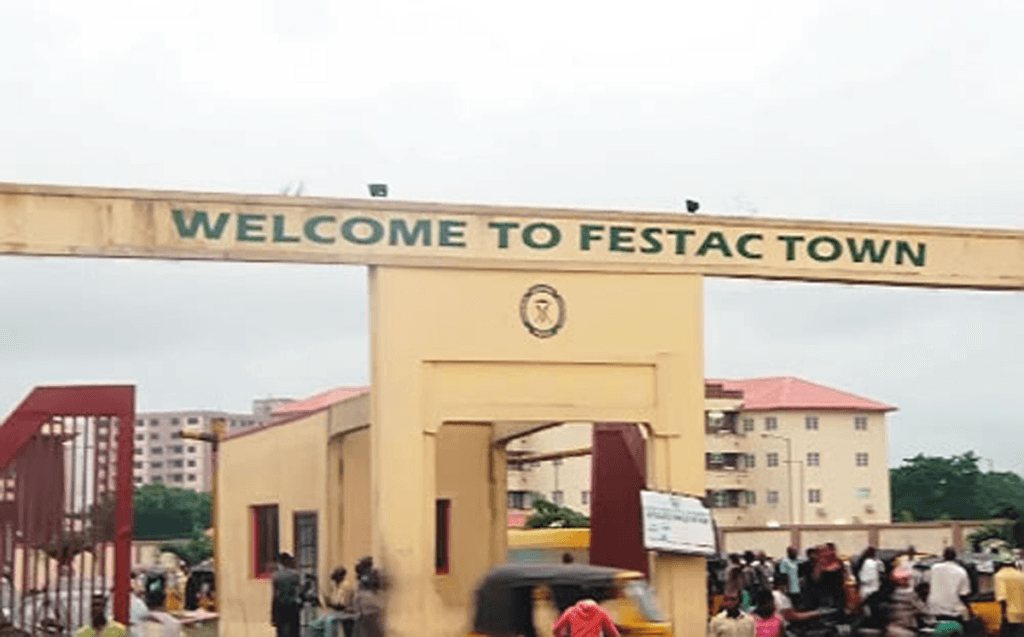
There are neighbourhoods in Lagos that you move to because you have to, and there are neighbourhoods you move to because you have thought about it carefully and decided it makes sense. Festac Town is almost always the second kind. It is one of the few areas on the Lagos Mainland where the original planning vision, wide roads, organised plots, green corridors, and a self-contained community, has survived decades of Lagos’s relentless pressure to become something else.
Festac Town was built in the 1970s to house delegates for the Second World Black and African Festival of Arts and Culture — FESTAC ’77 — one of the largest cultural gatherings in African history. What was left behind after the festival was a fully planned residential estate of a scale that Lagos had not seen before and has rarely matched since. The avenues are wide enough to breathe on, and the layout makes navigational sense in a city where most addresses feel like they were designed to confuse outsiders.
Decades later, that foundation still shows as Festac Town remains one of the most recognisable and consistently in-demand residential areas on the Lagos Mainland, not because it is the cheapest, not because it is the closest to the Island, but because it delivers something that most Lagos neighbourhoods cannot: a sense of place. Residents know where they are and visitors can easily find their way.
This guide covers what Festac Town is actually like to live in today, the commute reality, the roads and avenues, the schools, the healthcare options, the food scene, and the trade-offs worth knowing before you sign a lease.

What is Festac?
Festac Town is a planned residential estate in the Amuwo-Odofin Local Government Area of Lagos State. It sits on the Lagos Mainland, south of Oshodi and west of Apapa, with access to the Lagos-Badagry Expressway providing its primary connection to the rest of the city.
The estate was developed by the Federal Government of Nigeria in the 1970s as part of preparations for FESTAC ’77. It was designed to be self-sufficient with schools, hospitals, markets, recreational facilities, and a road network that could function independently of the surrounding city. That self-sufficiency, imperfect as it has become over the decades, remains one of Festac’s defining practical advantages.
The estate is organised around a system of numbered roads, avenues, and closes, which gives it a navigational clarity unusual for Lagos. 1st Avenue through to 7th Avenue forms the backbone of the residential layout, with close branching off each avenue to form the individual residential pockets where most of the housing sits.
Neighborhood Feel
Living in Festac Town feels like living in a Lagos that was designed with the resident in mind, which, given that it literally was, makes sense. The avenues are wide. The trees that line the older streets have had fifty years to grow, and they show it. The general pace is calmer than Oshodi, less commercial than Isolo, and more community-oriented than newer estate developments that have not yet had time to develop a social fabric.

The resident profile is one of the most diverse on the Mainland as it includes civil servants and federal government workers (the original intended residents), traders, corporate professionals, young families, and a significant population of long-term residents who grew up in Festac and have never left. That generational continuity gives the neighbourhood a depth of community that is difficult to manufacture. Neighbours know each other. Security arrangements reflect long-term trust. The social infrastructure, such as churches, mosques, community associations, and recreational clubs, has been built over decades and functions accordingly.
The housing structure reflects the estate’s history and its evolution as the original Festac blocks, low-rise government housing arranged in numbered closes still define much of the estate’s character. But alongside them, newer private developments have introduced a different kind of housing: blocks of flats with more modern finishes, serviced compounds with generator infrastructure and borehole water, and in areas like 6th Avenue, more contemporary building structures with a finish quality closer to what you would find in newer Island estates. The contrast between old and new Festac is real and worth understanding when you are choosing where within the estate to look.
Location and Accessibility
Festac Town’s location on the Lagos Mainland is a double-edged proposition. It is well-positioned for the western Mainland area (Amuwo-Odofin, Apapa, Trade Fair, and the Lagos-Badagry Expressway) and not well-positioned for daily Island commuters who need to reach Victoria Island or Lagos Island in under an hour on a reliable basis.
To Oshodi: 20 to 35 minutes under normal conditions, via Mile 2.
To Apapa: 15 to 25 minutes, making Festac one of the more practical Mainland bases for port and shipping workers.
To Trade Fair Complex: 10 to 20 minutes, a significant advantage for traders and business owners whose work is anchored in the Trade Fair and Alaba International corridor.
To Victoria Island: 50 minutes to 1.5 hours during peak hours via the Eko Bridge or Third Mainland Bridge approach. The Mile 2 and Apapa corridor can back up significantly during rush hours, and this commute should be assessed honestly by anyone whose daily destination is the Island.
To Murtala Muhammed International Airport: 25 to 40 minutes, depending on traffic through Oshodi.
Key Streets, Zones, and Estates
Festac’s distinctive structure is one of its most valuable features. Rather than random streets branching out, the town is organised into roads and avenues with smaller side roads, and it closes in.
The Core Closes: the numbered closes branching off each avenue contain the original government housing stock: low-rise blocks of flats and maisonettes arranged in organised compounds. These properties are the most affordable in the estate and retain the original Festac character most clearly. Building age means infrastructure varies as some compounds have been well-maintained, others require careful inspection of plumbing, electrical systems, and water supply.
6th Avenue stands apart from the general Festac character in a way that long-term residents recognise immediately. The buildings here are newer, the finishes are more modern, and the overall standard of development is closer to what you would find in a newer private estate than in the original government housing structure. For renters and buyers who want the Festac address with a more contemporary living environment, 6th Avenue and the streets around it represent the estate’s premium residential corridor.
The Blocks and Flats Sections across many parts of the estate offer the most accessible entry points for renters, particularly younger professionals and smaller households. These are typically older government-built blocks that have been subdivided or converted into individual flats. The price is right, but the infrastructure requires scrutiny: generator arrangements, water supply, and building maintenance vary widely between compounds.
The Duplex Sections in parts of the estate and in the areas closer to the estate boundaries offer more space and a more private residential experience than the block sections. These attract established families and senior professionals who want more room without leaving Festac. Prices in these sections are meaningfully higher than the block and flat market.
Rent Prices in Festac Town
Festac Town’s rental market reflects the diversity of its housing structure. The range within each property type is wide, driven by the significant difference between older government-built structures and newer private developments.
| Property Type | Estimated Annual Rent |
| 1-Bedroom Apartment | N600,000 – N1.8M |
| 2-Bedroom Apartment | N1.2M – N3.5M |
| 3-Bedroom Apartment | N2M – N5M |
| 3-Bedroom Duplex | N3.5M – N7M |
| 4-Bedroom Duplex | N5M – N10M+ |
Properties on 6th Avenue and the newer development sections sit toward the upper end of each range. Original government housing structure in the core closes sits toward the lower end. The difference in experience between the two ends of the range is significant not just in finish quality but in infrastructure reliability.
Beyond headline rent, factor in service charges, generator levies, and water supply arrangements. These vary more in Festac than in more uniformly managed estates and should be confirmed specifically for any property before signing.
Flooding and Drainage: What You Need to Know
Flooding is a real consideration in parts of Festac Town and should not be underestimated. The estate’s proximity to the Lagos Lagoon and its relatively flat terrain create drainage challenges that the original infrastructure, now decades old in many sections, does not always handle adequately during heavy rain.
Some avenues and roads flood regularly during the April to October rainy season. Others, particularly on higher ground and in sections with newer drainage infrastructure, manage rainfall significantly better. The variation is street-level, not estate-level. Festac’s general reputation tells you little about a specific close’s drainage performance.
The standard guidance applies: visit the specific property after heavy rain, ask current residents about flooding history on that particular street, and do not rely on the estate’s overall reputation as a proxy for a specific compound’s risk.
Safety and Security
Festac Town has a stable security profile by Lagos Mainland standards, anchored by a combination of formal and community-level arrangements that reflect the estate’s long residential history.
The police station within the estate provides a visible formal presence that most residential addresses in Lagos lack. Beyond this, residents’ associations across the avenues and closes maintain street-level security arrangements that include private guards, controlled compound access, and the kind of community familiarity that comes from decades of stable residency. Long-term neighbours know who belongs on a street and who does not.
The commercial areas around the main gates carry more activity and require standard Lagos awareness, particularly at night. Within the residential grid, day-to-day security is not a dominant concern for most Festac residents. For families with children, the estate’s enclosed character and community vigilance provide a reasonable level of outdoor freedom.
Commute and Getting Around
Festac Town has four main entry and exit points, and understanding them matters for daily movement.
First Gate on the Lagos-Badagry Expressway is the estate’s primary entrance and the most direct route for residents coming from Orile, Mile 2, Apapa, Surulere, Lagos Island, and the Mainland north of the estate.
Second Gate (Agboju) provides access from the Agboju axis and is the preferred route for residents on the southern and eastern parts of the estate.
2nd Rainbow / Apple Junction connects Festac to the Okota and Isolo corridor, making it the most practical entry point for residents commuting toward Oshodi, Isolo, and the airport.
Alakija provides access from the Lagos-Badagry Expressway at a different point and is used primarily by residents on the western end of the estate.
Public transport is well-covered. Danfo buses operate on the major avenues and connect residents to Oshodi, Mile 2, and the surrounding corridor. Keke NAPEP handles internal movement within the estate. The Blue Line Railway and BRT handle commuting to CMS.
Top Schools in Festac Town
Festac Town has several well-known schools. They offer nursery, primary, and secondary education, both private and community-based. These institutions serve residents and attract families from surrounding suburbs. Here are some notable schools in the area:

Nazareth School Festac Town is a Catholic nursery and primary school established in 1983. Known for its values‑based education, it focuses on nurturing moral, spiritual, and academic growth. The school focuses on discipline, integrity, and excellence. It also offers modern facilities, including ICT and home economics labs.
Early Life School, Festac Town was founded in 1989. Early Life School offers primary education in a non-denominational environment. It welcomes children from various backgrounds. The school has expanded to several cities. It offers academic and tech learning, including online courses and exam prep.
Radiance Schools Festac Town offers nursery, primary, and secondary education. They are well-known for their discipline and strong academic structure. They have qualified teachers, science labs, sports facilities, and boarding options. This makes them one of the most comprehensive choices in the area.
Saint Mary’s Schools Festac Campus focuses on nurturing creativity, critical thinking, and character development. The campus is located on 23 Road. It offers primary and secondary classes to nurture compassionate minds.
Healthcare in Festac Town
Good medical care is important for residents. Festac has many facilities to cover different needs, from simple checkups to specialist care.

Here are some of the main ones:
- Amuwo Odofin Maternal and Child Centre is one of the area’s most important public healthcare institutions, dedicated specifically to prenatal, postnatal, and maternal health care. For expectant mothers and families with young children, its presence within the area removes the need to travel to the Island or Ikeja for specialist maternal services. It is a primary reason why Festac Town consistently attracts young families who prioritise healthcare access in their housing decisions.
- Emel Hospital provides general medical services with specialist support across key clinical areas. It functions as one of the more comprehensive private hospitals in the corridor, capable of handling a broader range of cases than a standard neighbourhood clinic, with the specialist backup that matters when a routine consultation turns into something more complex.
- Kingswill Specialist Hospital is a private facility with broad care options spanning general medicine, diagnostics, and specialist consultations. Its private hospital model means shorter wait times and a more structured patient experience than public facilities, making it a practical first call for residents who want reliable, organised care for moderate to complex medical needs.
- Paramount LifeCare focuses on diagnostics and general healthcare services; a particularly useful facility for residents who need comprehensive health screenings, lab work, or imaging without travelling far. In a neighbourhood that attracts working professionals and established families, having a dedicated diagnostic centre within the area is a meaningful convenience.
- Firstline Hospital serves as a community healthcare and basic treatment centre, covering the everyday medical needs that most residents encounter most often; general consultations, minor procedures, and primary care. For residents who want a reliable, accessible option for routine health matters without the formality or cost of a larger private hospital, Firstline is the practical everyday choice.
- Golden Cross Infirmary is a private facility offering general care in a smaller, more intimate clinical setting. It suits residents who prefer a less institutional environment for routine consultations and treatment, and its private status means a more personalised approach to patient care than the larger public facilities provide.
- Ituah Hospital Limited is a local health service provider that has built a steady presence in the community over time. It handles general medical care for the resident population and serves as a dependable neighbourhood option for routine and straightforward medical needs, particularly for residents in the immediately surrounding streets.
- Festac Primary Health Centre is a public health centre offering family medicine, immunisations, and general services around the clock. Its 24-hour operation is a critical practical asset; for residents who need medical attention outside of standard clinic hours, having a public facility that does not close is meaningful. Its focus on family medicine and immunisations also makes it particularly relevant for households with young children who need routine vaccinations and preventive care managed locally.
There are specialist and allied clinics, such as First Eye Clinic for eye care and Negon Specialist Ear, Nose & Throat Clinic for ENT services. You’ll also find dental clinics and urgent care providers.
Lifestyle, Food, and Retail
Festac is one of the few Mainland areas where lifestyle and everyday living blend naturally without feeling overwhelming. Food plays a central role in the area’s social culture, and residents have access to a wide range of dining options, from local bukas to fast-food chains and relaxed lounges.
Across streets like 21 Road, 22 Road, 23 Road and 24 Road, you will find a steady mix of markets, supermarkets, and retail shops that make daily life convenient. These areas function as the commercial backbone of Festac, ensuring that residents rarely need to leave the neighbourhood for essentials. At the same time, the presence of lounges, restaurants, and hotels gives Festac a social side that becomes more visible in the evenings and on weekends.
Retail: Retail in Festac is built around accessibility and daily convenience rather than large-scale luxury shopping. The most active retail neighborhoods are 22 Road and 23 Road, where residents can find everything from fresh produce to electronics and household goods. These streets operate almost like self-contained commercial hubs, supporting both small businesses and everyday shopping needs.
In addition to open markets and roadside shops, residents also rely on nearby malls for more structured retail experiences. The most prominent option is Festival Mall in Festac, which serves as the area’s primary shopping and entertainment centre. The mall houses a supermarket, cinema, restaurants, and retail outlets, making it a central destination for both shopping and leisure.
Other supermarkets include Temple Hill, Market Square, and Globus.
Restaurants and Food: Festac has a strong and diverse food culture, with options that cater to both everyday dining and more relaxed social outings.
Mega Chicken Festac is one of the most popular food spots in the area, known for its wide range of Nigerian meals, fast food, and pastries. It is a go-to location for casual dining, takeaway meals, and family outings, offering a reliable mix of local and continental options.
Domino’s Pizza Festac provides a more contemporary fast-food experience, offering pizzas, sides, and desserts. It caters to younger residents and families looking for a modern, casual dining option.
Winny’s Meals is a well-known local spot that blends Nigerian and fast-food offerings. It is particularly popular for its affordability and everyday convenience, serving residents who want quick, filling meals without leaving the neighbourhood.
Tank & Tummy offers a modern take on traditional Nigerian meals in a casual setting. It is one of the spots that bridges the gap between local bukas and more structured dining environments.
Item 7, the popular takeout restaurant, has recently joined the list of food destinations in Festac Town
Sweet Sensation serves both quick meals and baked goods, making it a practical stop for residents across different meal occasions.
Tastee Fried Chicken is a dependable stop for its signature fried and pepper chicken that carries genuine nostalgia for long-term Lagos residents.
Chicken Republic, one of Nigeria’s largest homegrown fast food chains, covers the full range of everyday fried chicken, rice dishes, and meal combos with the consistent quality the brand is known for across the city.
Beyond these, Festac is filled with smaller bukas and roadside food vendors that serve staples like jollof rice, eba, soups, suya, and grilled meats, forming the backbone of everyday eating in the area.
Malls: Festival Mall Festac is the primary mall serving the Festac and Amuwo axis. It offers a more structured retail experience, with a supermarket, cinema, restaurants, and branded stores. The mall acts as both a shopping destination and a social hub, especially on weekends when foot traffic increases significantly.
Within the mall, restaurants like Rhapsody’s Festac provide a more upscale dining experience, combining international cuisine with a lounge-style atmosphere. It is one of the few places in the area that leans toward premium dining and social outings.
Lounges and Nightlife: Festac has a growing nightlife scene that caters to residents looking for relaxation and entertainment without leaving the area.
Owee Lounge is one of the more popular nightlife spots in Festac. Located around the Westside Mall axis, it offers a mix of food, cocktails, music, and a lively atmosphere, making it a regular destination for weekend outings and social gatherings.
Rockview Hotel Festac also plays a role in the area’s social scene, with its bar and lounge facilities attracting both residents and visitors. Hotels like this often serve as informal nightlife hubs, combining accommodation with entertainment.
Other spots such as One Nation Garden and various bars along 22 Road contribute to Festac’s evening culture, offering music, sports viewing, and relaxed social environments.
Community and Recreation: Festac’s community life is one of its strongest features. The structured layout encourages interaction, with streets, religious centres, and local events forming the backbone of social life. Churches, community gatherings, and neighbourhood events are common, creating a strong sense of belonging among residents.
Recreation is a mix of informal and organised activities. Sports viewing centres, local hangout spots, and estate-level recreational spaces provide options for relaxation. While the area lacks large public parks, the overall environment supports an active social lifestyle, particularly for families and long-term residents
Utilities: Power and Water
Power supply in Festac Town is inconsistent in the Lagos way — available but unreliable as a sole source. Most residents supplement the public supply with generators or inverters, and the generator management arrangement in any compound is one of the most important practical questions to resolve before signing a lease.
Water supply is more variable than in newer, more uniformly managed estates. Some compounds have private boreholes that provide a consistent internal supply. Others rely on water purchased from vendors; the familiar sight of the Aboki water seller is a daily reality in parts of the estate. Before committing to any property, confirm the water supply arrangement specifically: whether the compound has a borehole, how it is maintained, and what the fallback is during dry periods.
What to Watch Out For
Infrastructure variation between the old and new structures. The gap between original government housing and newer private developments in Festac is significant. Older properties can be affordable but may have plumbing, electrical, and drainage infrastructure that has not been updated in decades. Inspect thoroughly before signing and inspect the compound’s generator and water arrangements, not just the apartment interior.
Water supply planning. The borehole versus Aboki water situation requires active management. Confirm the specific arrangement for any property you are considering and factor the cost of water delivery into your monthly budget if the compound does not have its own borehole.
Flooding on specific streets. Some avenues and roads flood during the rainy season. This is not estate-wide, but it is a real risk on specific streets. Visit during or after heavy rain and ask current residents before committing.
The Mile 2 and Apapa commute. For residents commuting toward the Island or Oshodi during peak hours, the Mile 2 axis can back up significantly. Departure time planning is a necessity for daily commuters.
Commercial noise near the main gates. The areas around First Gate, Second Gate, and Apple Junction carry significant commercial activity and the associated noise and congestion. Properties on streets close to these entry points have less of the quiet residential character that defines the deeper avenues.
Who the Area is Best Suited For
Traders and business owners. For professionals whose work is anchored in Trade Fair, Alaba International, Suru Alaba, or the Apapa port corridor, Festac’s location is more efficient than almost any other address on the Mainland at its price point.
Families who want space, community, and school infrastructure. The combination of housing variety, from affordable flats to spacious duplexes; a self-contained school cluster, and a community with genuine social depth makes Festac one of the more complete family addresses on the Mainland.
Long-term Lagos residents stepping up from more basic addresses. Festac’s mid-range pricing, relative to the infrastructure and community it delivers, makes it a practical step-up address for residents who have outgrown more basic Mainland options.
Civil servants and federal government workers. The estate was built for this population and continues to serve it well.
Festac Town is not the right address for daily Island commuters who need the commute to be consistently under 45 minutes, for residents who want a contemporary estate environment with modern building structures throughout, or for anyone whose social life depends on proximity to the Island’s restaurant and nightlife corridor.
Ready to find your apartment in Festac?
Every listing on Expert Listing is verified before going live. Listings are removed as soon as they’re rented or sold, no ghost listings, no wasted trips. For up-to-date listings with live prices and availability, check out apartments in Festac on Expert Listing.
Browse verified apartments for rent in Festac on Expert Listing
Frequently Asked Questions
Is Festac a good place to live?
Festac is considered one of the more balanced residential areas on the Lagos Mainland, with a structured layout and convenient access to essential services, including schools, healthcare, markets, and banks. It offers a calmer atmosphere than other chaotic areas while still providing enough commercial activity to meet daily needs. This makes it particularly suitable for families and professionals in the nearby Apapa, Amuwo, or Mile 2 corridor. However, the experience can vary depending on street maintenance.
Are there good schools in Festac?
Festac is a practical location for families, with numerous private and public schools, including well-regarded institutions such as Nazareth School and Early Life School. The area offers a range of secondary schools, ensuring educational continuity without long commutes. While quality varies, parents seeking international curricula or premium facilities may prefer places like Surulere or the Island. Overall, Festac offers accessible education options, though it isn’t considered a top-tier academic hub.
Is healthcare easily accessible in Festac?
Healthcare access in Festac is one of its practical advantages. The area has a wide range of clinics, maternity homes, diagnostic centres, and private hospitals that cater to everyday medical needs. Residents can easily access treatment for routine illnesses, maternal care, and basic emergencies without leaving the neighbourhood. However, for highly specialised procedures or advanced medical care, many residents still travel to larger hospitals in Surulere, Ikeja, or Victoria Island. This is less a limitation of Festac and more a reflection of how healthcare is distributed across Lagos. For day-to-day living, healthcare in Festac is accessible and functional.
Does Festac flood?
Flooding in Festac varies by location. Low-lying streets and those with blocked drainage can experience waterlogging during heavy rain, sometimes leaving water on roads for hours and impacting accessibility. However, other areas may have minimal flooding. Street-level drainage quality is crucial. Prospective residents should inspect specific streets during the rainy season and talk to current residents to gauge the flood risk, which is highly location-specific.
How is the traffic?
Traffic in Festac has a mix of convenience and frustration. Within the estate, movement is generally smooth due to the grid layout, allowing for manageable navigation even during busy periods. However, connecting to the Lagos road network, especially around the Lagos–Badagry Expressway and Mile 2, can lead to heavy congestion during peak hours. Many residents adapt by leaving earlier or timing their movements. If commuting within Festac or nearby, traffic is manageable, but it becomes a bigger concern when heading further into Lagos.