Iyana Ipaja, Lagos: The Complete Area Guide
Expert Listing
·
·
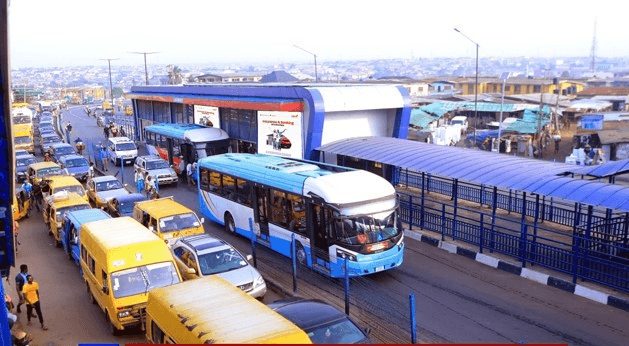
Iyana Ipaja represents the ultimate intersection of Lagos’ heavy-duty transport logistics and its mid-market residential aspirations.
For the Lagos professional, it is often viewed through the lens of its massive motor park and bridge infrastructure.
Yet, it serves as a critical residential anchor for those who need to balance Mainland accessibility with more affordable housing stock.
It is a location defined by movement, serving as a gateway that connects the sprawling suburbs of Alimosho to the commercial hubs of Ikeja and the Lagos-Abeokuta Expressway.
The area is respected for its resilience and its functional necessity within the Lagos ecosystem. While it lacks the manicured serenity of upscale estates in Lekki, it delivers a level of connectivity that few other Mainland districts can match, particularly for those whose lives revolve around the Agege, Ikeja, and Ogba axes.
The housing variety here is wide, ranging from older, established tenements to modern, gated mini-estates that cater to a growing class of mid-level professionals and entrepreneurs seeking value for money.
Living here requires a pragmatic approach to the typical Lagos trade-offs.
The high density of the central hub means that noise, traffic congestion, and a fast-paced street life are permanent fixtures of the environment. While the interior residential zones offer relative calm, the proximity to the central “Garage” ensures that the area never truly sleeps. This guide covers all of it honestly.

What Is Iyana Ipaja?
Iyana Ipaja is a major district situated within the Alimosho Local Government Area, which is the most populous LGA in Lagos State.
Geographically, it serves as a vital transit node located along the Lagos-Abeokuta Expressway. It is positioned north of Egbeda and south of Abule Egba, acting as a primary artery for commuters moving between the Lagos hinterlands and the city’s more central commercial districts.
The area is dominated by the Iyana Ipaja Bridge, a massive structural landmark that facilitates the flow of traffic across the expressway and connects the neighbourhood to the various feeder roads leading into the heart of Alimosho.
The district is divided into several functional zones, including the high-traffic commercial hub around the motor park and more secluded residential neighbourhoods like Abesan Estate and Baruwa.
Historically, Iyana Ipaja evolved from a series of traditional settlements into a dense urban centre, driven by its strategic location at the junction where Ipaja Road meets the expressway.
Today, it functions as a mixed-use environment where large-scale retail, transport services, and varied residential tiers coexist in a high-energy setting.

The Neighbourhood Feel
The atmosphere of Iyana Ipaja is one of relentless motion and commercial vitality. At its core, near the bridge and the various bus terminals, the energy is intense and unapologetically Lagosian.
The air is thick with the sounds of trade and the calls of transport workers, creating a sensory experience that can be overwhelming for those accustomed to quieter suburbs.
However, this grit is balanced by a deep sense of community and the practical convenience of having almost any household need available within a short walk.
As one moves away from the central expressway towards the interior zones like Shagari Estate or the newer developments in Baruwa, the pace slows significantly. In these pockets, the typical resident profile shifts toward civil servants, small business owners, and mid-career professionals who value the area’s relative affordability.
There is an established, lived-in feel to these neighbourhoods, characterised by older trees, local street markets, and a social fabric built over decades. Compared to areas like Yaba or Surulere at a similar price point, Iyana Ipaja feels less trendy but significantly more grounded and functional for family life.

Key Streets, Zones, and Estates
Abesan Estate is one of the most recognisable residential landmarks in Iyana Ipaja and stands as one of the largest housing estates in West Africa. Originally built as a housing project by the Lagos State Government, it has matured into a stable, middle-class community.
The housing stock primarily consists of blocks of flats, which are highly sought after by young families and retirees alike.
The estate is prized for its organised layout and the sense of security that comes with its long-established communal structure, making it a gold standard for residential life in the Alimosho axis.
Baruwa is a zone that has seen significant transformation over the last decade, transitioning from a peripheral settlement into a desirable residential hub. It features a mix of traditional bungalows and modern, privately built duplexes. Baruwa is favoured by professionals who work in Ikeja but prefer a more spacious and relatively quieter environment than the central Iyana Ipaja core. The price position here is slightly higher than the Abesan blocks, reflecting the prevalence of newer, detached properties and a more suburban aesthetic.
Shagari Estate, another government-initiated housing scheme, offers a similar profile to Abesan but with its own distinct community identity. The housing here is durable and functional, often attracting civil servants and long-term Lagos residents. The internal streets are generally well-mapped, though infrastructure maintenance varies from block to block. It remains a top choice for those who prioritise a gated environment with a proven track record of safety and communal living.
Aboru is a developing zone that offers more budget-friendly options compared to the central estates. While infrastructure like road quality and drainage has historically been a challenge here, it remains popular for its direct links to the Iyana Ipaja core and the Lagos-Abeokuta Expressway via the Alabede route. It is best suited for young individuals or entrepreneurs who are willing to navigate tougher road conditions in exchange for significantly lower rent.
Rent Prices in Iyana Ipaja
Iyana Ipaja is positioned as a high-value middle-market destination. It is significantly more affordable than Ikeja or Magodo to its east, while commanding a premium over more distant suburbs like Sango Ota or deep Alagbado.
The pricing reflects its status as a sweet spot for those who need Mainland access without the exorbitant costs of the central business districts.
2026 annual rent ranges:
- 1-bedroom apartment: ₦600,000 – ₦1,200,000
- 2-bedroom apartment: ₦1,200,000 – ₦2,200,000
- 3-bedroom apartment: ₦1,800,000 – ₦3,500,000
- 4-bedroom or detached house: ₦3,500,000 – ₦6,000,000
The upper end of these 2026 ranges is typically found in the newer serviced mini-estates in Baruwa or renovated units within Abesan and Shagari Estates.
Properties closer to the Lagos-Abeokuta Expressway or within older, unmanaged buildings sit at the lower end of the spectrum. Prestige in this market is driven by the presence of a gatehouse, consistent water supply, and the age of the finishing.
Standard rental terms in Iyana Ipaja usually require a one-year upfront payment for existing buildings, though some newer developments or corporate-managed properties may offer quarterly or bi-annual structures.
It is also common for landlords to request a Caution Fee and Legal/Agency fees, which can add 20 % to 30 % to the total initial outlay. For current verified listings with real-time pricing and availability, browse apartments in Iyana Ipaja on Expert Listing.
Flooding: What You Need to Know
Flooding in Iyana Ipaja is a localized rather than a systemic issue, but it remains a critical factor for any prospective renter to evaluate.
The area’s topography is varied, with certain sections sitting on naturally elevated ground while others are prone to significant water collection due to inadequate drainage or their proximity to the canal systems that crisscross Alimosho.
During the primary Lagos rainy seasons of April to July and September to October, the central transport hub and certain feeder roads can experience flash flooding that disrupts both pedestrian and vehicular movement.
Specific zones around Aboru and the lower reaches of Ipaja Road are the most vulnerable.
These areas often struggle with run-off water coming from the higher elevations of the expressway and overfilled canals. In contrast, the well-planned sections of Abesan Estate and Shagari Estate generally fare much better because they were designed with dedicated drainage networks that still function effectively.
However, even in these estates, specific streets can suffer if the secondary drains are blocked by refuse.
The severity of flooding in the more problematic streets can lead to property damage and restricted access for several hours after heavy downpours.
Prospective residents should investigate the specific street’s history during the peak of the rainy season. As with every Lagos address, flood-risk verification at the specific listing level is essential. Neighbourhood reputation, even a well-earned one, is not a reliable proxy for a specific street’s drainage profile. Expert Listing maps flood-risk signals at the individual listing level so you are working with precise data, not general impressions.
Safety and Security
Iyana Ipaja maintains a security profile that is generally considered average by Lagos Mainland standards, though it varies significantly between the commercial core and the residential estates.
The area around the motor park and the bridge is a high-traffic zone that requires a high level of situational awareness, particularly after dark. Like any major transport hub in a megacity, it can attract opportunistic crime such as pickpocketing or “one-chance” bus scams.
The residential estates, such as Abesan and Baruwa, offer a much more secure environment. Most of these neighbourhoods have implemented community-led security initiatives, including manned gates, night patrols, and restricted access after 11:00 PM.
In the newer, privately managed compounds, 24-hour guard presence and CCTV coverage are becoming the standard, providing a level of peace of mind that justifies the higher service charges.
Residents generally feel safe moving within their immediate neighbourhoods during the day, but there is a collective understanding that late-night arrivals via public transport should be handled with caution. The presence of the Gowon Estate Police Station and other local posts provides a degree of formal security oversight, though response times can be influenced by traffic conditions.
The standard Lagos precautions, such as avoiding poorly lit walkways at night and ensuring vehicles are parked within gated premises, apply here as they do across the city.
Commute and Getting Around
The commute profile is perhaps the single most important factor for anyone considering a move to Iyana Ipaja. It is a location that rewards early starters and punishes those who underestimate the bottleneck at the Iyana Ipaja bridge and the Dopemu axis.
- To Lagos Island: via Lagos-Abeokuta Expressway and Third Mainland Bridge, 50 minutes light traffic, 120 to 150 minutes peak hour
- To Victoria Island: via Funsho Williams Avenue, 60 minutes light traffic, 150 minutes peak hour
- To Ikeja / Mainland commercial hubs: via Agege Motor Road or the Expressway, 20 minutes light traffic, 45 to 60 minutes peak hour
Internal movement within Iyana Ipaja is robust, supported by a dense network of yellow Danfo buses and a massive fleet of Keke NAPEPs that navigate the interior streets where larger buses cannot go.
The area is a major stop on the Lagos BRT (Bus Rapid Transit) corridor, which offers a more structured and sometimes faster alternative to standard commercial buses for those heading toward Oshodi or CMS.

The quality of internal roads is a mixed bag. While the primary arteries are paved, many secondary streets in the deeper residential zones remain unpaved or are in a state of disrepair, which can slow down local trips significantly during the rains.
Ride-hailing services like Uber and Bolt are widely available, though drivers may sometimes be reluctant to enter specific interior zones like Aboru if the road quality is particularly poor.
Schools
The school infrastructure in Iyana Ipaja is extensive, catering primarily to middle-class and working-class families who prioritise local access. While it may not house the elite international schools found in Lekki or Ikoyi, it offers a solid selection of private institutions that deliver the Nigerian national curriculum alongside British components. The area is particularly strong for primary and secondary education, making it a viable long-term base for families.
- Anchorway Schools is a co-educational institution providing nursery, primary, and secondary education with a focus on academic excellence and character development.
- Murtala Muhammed Airport Schools, located within a short commuting distance, is a popular choice for Iyana Ipaja residents due to its established reputation and academic standards.
- St. Bernadette Schools is a well-regarded private school known for its structured learning environment and consistent performance in external examinations.
- Hebron Love School, A local private option providing nursery and primary education for residents within the Abesan and Ipaja axis.
- Gowon Estate Secondary School, A prominent public secondary school serving the wider Alimosho community (website not confirmed).
The proximity to the Lagos State University (LASU) Ojo campus via the nearby LASU-Iba road also makes the area a strategic residential choice for staff and students of higher education institutions.
Healthcare
Healthcare in Iyana Ipaja is characterised by a high density of private clinics and maternity homes, supplemented by a major state-run facility in the adjacent neighbourhood. It is an area where routine medical care is easily accessible, though specialised tertiary care may require a short trip to Ikeja or Surulere.

- Alimosho General Hospital, located in nearby Igando, is the primary public healthcare provider for the region, offering a wide range of specialist services and emergency care.
- Lagos State University Teaching Hospital (LASUTH), while located in Ikeja, is the nearest major tertiary centre for residents requiring advanced medical intervention.
- Vantage Hospital, A private facility in the Iyana Ipaja axis providing general medical services, diagnostics, and surgical procedures.
- Crystal Specialist Hospital, A well-known private hospital in the Akowonjo/Ipaja area, provides maternal and pediatric care (website not confirmed).
The area is particularly strong for routine family medicine and primary care. Residents have a wealth of options for everyday ailments, but for chronic conditions or complex surgeries, the reliance on the General Hospital in Igando remains the standard.
Lifestyle, Food, and Retail
Retail in Iyana Ipaja is a blend of organised modern supermarkets and the sprawling informal economy of the Iyana Ipaja market. For everyday groceries and household items, residents frequent established names like Justrite Superstore and Grocery Bazaar.

These stores provide a reliable, air-conditioned shopping experience that contrasts with the high-energy hustle of the open-air markets under the bridge, where fresh produce and bulk goods are significantly cheaper but require skilled negotiation.
The restaurant and food scene is dominated by popular Nigerian Quick Service Restaurant (QSR) chains. Outlets like Mr Bigg’s, Tantalizers, and various local bukas provide the anchors for the dining landscape. While the area lacks the fine-dining sophistication of the Island, it excels in high-quality, authentic Nigerian cuisine.
The Baruwa and Gowon Estate areas have also seen an emergence of grills and spots that cater to the evening social crowd, offering a more relaxed environment for drinks and suya.
The nearest major mall is the Justrite Shopping Mall within the area itself serves as a one-stop destination for leisure and shopping needs. For a full-scale mega-mall experience, residents typically head to the Ikeja City Mall (ICM). Located approximately 10 kilometres away, ICM offers international brands, a cinema, and a wider variety of dining options. The commute to the mall can take anywhere from 30 minutes to over an hour, depending on the traffic.
Community life is deeply rooted in religious institutions and local social clubs. Iyana Ipaja is home to several landmark churches and mosques that serve as the primary social hubs for many families. For recreation, the Ipaja Public Library provides a dedicated space for knowledge and leisure reading, often organising community workshops.
While formal green spaces are limited, the sense of community within the gated estates provides a social safety net and a feeling of belonging that is often missing in more transient parts of Lagos.
Utilities: Power and Water
The electricity supply in Iyana Ipaja is managed by Ikeja Electric (IE). The supply frequency is generally described as standard Mainland, meaning it is subject to the fluctuations of the national grid but benefits from being on several prioritised commercial feeders near the expressway.
Residents in the well-managed estates typically enjoy more predictable cycles compared to the more disorganised interior streets.
Generator backup is a non-negotiable part of life here. In the modern apartment blocks and gated estates, there is usually a central power arrangement or a requirement for residents to have their own soundproof generators. In newer serviced developments, 24-hour power is occasionally advertised, but this is usually delivered through a mix of IE supply and heavy generator usage, which is reflected in the service charges.
Water supply is almost exclusively managed through private boreholes.
While some older parts of the government estates were originally connected to public mains, the reliability of the Lagos State Water Corporation has been inconsistent for years. Most landlords have invested in independent water treatment systems to ensure a steady supply of clean water to their tenants.
Service charges in Iyana Ipaja are an important secondary cost that renters must factor into their budgets. In gated communities like Abesan or Baruwa, these fees cover security, waste management, and the cleaning of common areas. In serviced buildings, the levies for generator maintenance and diesel can be substantial. Get the full monthly cost picture, not just headline rent, before signing.
Who Iyana Ipaja Is Best For
Professionals working in Ikeja and Alausa
The proximity to the state capital makes Iyana Ipaja a strategic home base. Those who work in government ministries or the commercial hubs of Ikeja can achieve a relatively short commute compared to those living further out, while paying a fraction of Ikeja’s rental prices.
Young families on a budget
The availability of 2-bedroom and 3-bedroom flats in established estates like Abesan provides a secure environment for children. The presence of numerous affordable private schools and the community-centric feel of the estates make it a practical choice for those looking to build a foundation.
Entrepreneurs and traders
Given its status as a transport and logistics hub, Iyana Ipaja is ideal for those whose businesses involve the movement of goods or frequent travel across the Mainland. The constant flow of people provides a massive, ready-made customer base for retail and service-oriented businesses.
Civil servants and retirees
The government-built estates offer a level of stability and a predictable social environment that appeals to those in the public sector. The long-term residency patterns in these areas create a sense of security and neighbourliness that is highly valued by older residents.
First-time renters and students
With a high availability of self-contained units and mini-flats, Iyana Ipaja is an ideal entry point for young professionals or students attending nearby institutions on the Lagos Mainland who require affordability and transit links.
What to Watch Out For
The Iyana Ipaja Bridge Bottleneck
The area under and around the bridge is one of the most consistent traffic flashpoints in Lagos. Even if your destination is only a few kilometres away, the convergence of interstate buses, local danfos, and private cars can result in gridlock that adds 45 minutes to a simple trip. You must factor this into every movement plan.
Aboru and Interior Road Degradation
While the main estates are generally safe, the last-mile roads in zones like Aboru are prone to severe potholes and waterlogging. During the peak of the rainy season, some of these routes become nearly impassable for small sedans, which can lead to high vehicle maintenance costs.
Service Charge Transparency
In some of the newer serviced developments in the Baruwa axis, service charges can be poorly managed or unexpectedly high. Always demand a clear breakdown of what the charge covers and ask current tenants about the historical consistency of those fees before committing.
The Agent Hustle
Iyana Ipaja is a high-demand area, which unfortunately attracts a large number of unregulated house agents. Be wary of duplicate listings and agents who demand viewing fees for multiple properties that may not even be available. Always use a verified platform to ensure you are dealing with legitimate listings.
Commercial Noise and Density
Living close to the Lagos-Abeokuta Expressway or Ipaja Road means dealing with constant noise from traffic and street trading. If you require absolute peace and quiet, focus your search exclusively on the deeper interior of gated estates like Abesan.

Ready to Find Your Apartment in Iyana Ipaja?
Every listing on Expert Listing is checked before going live. Location is mapped precisely against flood-risk data. Listings are removed the moment they are rented or sold, no ghost listings, no wasted trips.
Browse verified apartments for rent in Iyana Ipaja on Expert Listing.
Frequently Asked Questions
Is Iyana Ipaja a good place to live?
Yes, it is highly practical for residents seeking a balance of affordability, accessibility, and daily convenience on the Lagos Mainland. It is particularly well-suited for middle-income earners and professionals who commute to Ikeja or Oshodi. While the central hub is very busy, the residential estates provide a grounded, community-centred atmosphere that is ideal for family life.
How much is rent in Iyana Ipaja in 2026?
The average price for rental property in Iyana Ipaja is approximately ₦1,500,000 as of 2026 figures. The range varies significantly based on the housing type, with the cheapest self-contained units starting around ₦400,000 and the most expensive detached houses or serviced apartments reaching up to ₦30,000,000 in premium estates. Most standard 2-bedroom flats fall within the ₦1,200,000 to ₦2,200,000 bracket.
Are there flooding concerns in Iyana Ipaja?
Certain low-lying areas and specific streets, particularly in the Aboru community and sections along the Alabede route, are known to flood during heavy rains. These issues are often exacerbated by overfilled canals and inadequate drainage systems in developing zones. However, well-planned areas like Abesan and Shagari Estates are generally more resilient, though street-by-street assessment is always recommended.
How does rent in Iyana Ipaja compare to nearby areas?
Rent in Iyana Ipaja is generally lower than in more central Mainland neighbourhoods like Agege, Surulere, or Ikeja. It offers a more affordable alternative for those who want to remain within a short distance of major commercial hubs. This price advantage, combined with high demand, makes it a popular choice for both renters and long-term property investors.
Is Iyana Ipaja good for property investment?
Yes, it is considered a suitable location for long-term rental investment due to the steady demand for housing and low vacancy rates. The area’s strategic position along the Lagos-Abeokuta Expressway ensures a consistent influx of professionals and families looking for affordable accommodation, which translates to reliable rental income for landlords.