Mushin, Lagos: The Complete Area Guide
Expert Listing
·
·
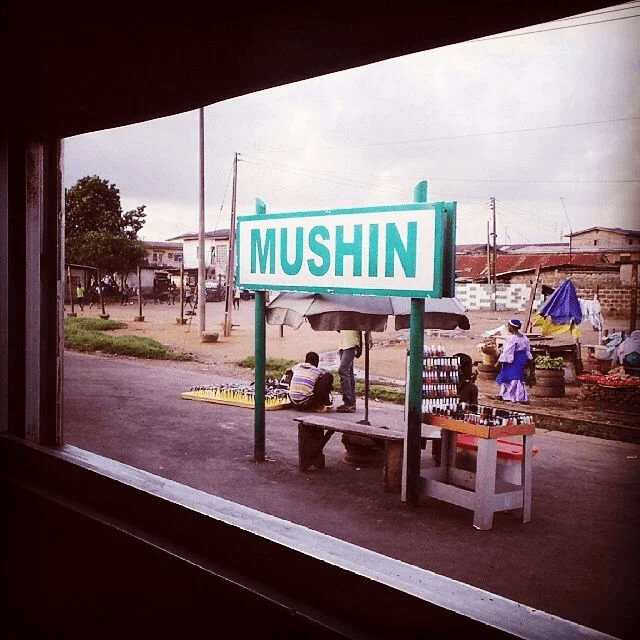
Mushin is a location defined by its incredible logistical utility and its intense, high-density energy.
For decades, it has served as a central nervous system for Lagos trade and transit, offering a level of connectivity that few other districts can match at its price point.
It is respected by seasoned Lagosians as a place where the barrier to entry for housing and commerce remains accessible, providing a vital bridge for those who need to remain within reach of both the Lagos Island and Ikeja business districts without paying the premium rents of Surulere or Yaba.
What Mushin delivers in practical terms is proximity. It is a location where the infrastructure is mature, even if it is frequently strained by the sheer volume of human and vehicular traffic.
For professionals who are more concerned with commute efficiency than manicured suburban aesthetics, Mushin offers a strategic base. The housing stock is a mix of older tenement buildings, mid-century family houses, and a growing number of modernised apartment blocks designed to attract the middle-class professional.
Living here requires a pragmatic outlook on urban life. The noise levels are high, the streets are often crowded, and the pace of life is unrelenting. It is an area where commerce and residential life are deeply intertwined, meaning that your next-door neighbour is just as likely to be a wholesale trader as a corporate employee.
The trade-offs involve navigating significant congestion and a gritty urban environment in exchange for some of the most central real estate in the city. This guide covers all of it honestly.

What Is Mushin?
Mushin is a major Local Government Area in Lagos State, situated in the heart of the Lagos Mainland. Geographically, it serves as a massive transit hub, bordered by Oshodi to the north, Surulere to the south, Shomolu to the east, and Oshodi-Isolo to the west.
Its central position makes it one of the most accessible areas in the state, sitting right along the Agege Motor Road, which connects the Lagos Port at Apapa to the industrial and residential hubs of Agege and beyond.
The area is administratively divided into several wards and internal zones, with the most prominent being Olateju, Papa Ajao, Idi-Oro, and Kayode.
It also encompasses the major commercial nerve centre of Ladipo, world-renowned for its auto parts market.
Functionally, Mushin is a dual-purpose district. It is a massive residential basin for the Lagos working class and a critical transport node where the city’s rail and road networks converge.
It essentially acts as a gateway between the northern and southern halves of the Lagos Mainland.
The Neighbourhood Feel
To step into Mushin is to step into the raw, unedited heartbeat of Lagos. The atmosphere is defined by an overwhelming sense of movement.
It is high-density, loud, and incredibly social. Unlike the quiet, gated enclaves of Lekki or Ikeja GRA, life in Mushin happens largely in the public eye.
The streets are lined with traders, the air is filled with the sounds of yellow Danfo buses, and there is a constant, buzzing energy that begins before dawn and lasts well into the night.
The typical resident profile is exceptionally diverse.
You will find multi-generational families who have owned property here for fifty years, living alongside young professionals who have moved in to take advantage of the central location and relatively lower rents.
There is also a significant population of artisans, medical workers from the nearby Lagos State University Teaching Hospital, and traders who operate in the massive local markets.
It feels established and deeply lived-in, with a sense of community that is often missing in newer, more sterile developments. While it lacks the polish of neighbouring Surulere, it offers a similar level of urban convenience at a more competitive price point.

Key Streets, Zones, and Estates
Papa Ajao is arguably the most sought-after residential zone within Mushin. It is significantly more orderly than the core market areas and features a higher concentration of modernised apartment buildings. The streets here are wider, and there is a distinct residential feel that appeals to middle-class families and young professionals. The housing stock ranges from older bungalows to new three-bedroom flats that command the highest rents in the district. It is the preferred choice for those who want the proximity of Mushin but with a bit more breathing room and slightly better security.
Olateju and the areas surrounding the Kayode Street axis represent the more traditional, high-density heart of Mushin. This zone is a mix of old “face-me-I-face-you” tenement buildings and newer, multi-storey residential blocks. It is incredibly central, offering immediate access to transport links, but it is also one of the loudest parts of the area. This zone is ideal for individuals who prioritise a low-cost commute and want to be in the thick of the action, though it requires a high tolerance for urban noise and congestion.
The Idi-Oro area sits on the southern edge of Mushin, bordering Surulere. This proximity to Surulere gives it a unique character, as it often inherits some of the spillover demand from people priced out of Ojuelegba and Tejuosho. The housing here is diverse, with several older apartment complexes that are popular with civil servants and healthcare workers. While it can be prone to traffic bottlenecks due to its position on the Agege Motor Road, it remains a highly strategic location for those working in the Yaba or Surulere axis.
Palm Avenue is one of the most famous commercial and residential arteries in Mushin. It is a long, winding road that hosts everything from banks and retail stores to residential apartments. Living on or just off Palm Avenue means having every possible amenity within walking distance. The housing along this stretch is typically older, but many properties have been renovated to cater to the influx of young workers. It is a vibrant, bustling street that never truly sleeps, making it perfect for those who thrive in a fast-paced environment.
Rent Prices in Mushin
Mushin occupies a unique middle ground in the Lagos property market. It is consistently more expensive than outlying areas like Ikorodu or Abule Egba because of its central location, yet it remains significantly more affordable than Surulere or Yaba.
You are essentially paying for the location and the time saved on commutes, rather than for luxury finishes or manicured surroundings.
In the 2026 rental market, prices reflect the high demand for central Lagos living:
- 1-bedroom apartment (Mini-flat): ₦650,000 to ₦1,200,000 per annum
- 2-bedroom apartment: ₦1,100,000 to ₦2,000,000 per annum
- 3-bedroom apartment: ₦1,800,000 to ₦3,500,000 per annum
The upper end of these ranges is almost exclusively found in Papa Ajao or in newly built “serviced” blocks that offer amenities like dedicated security and prepaid meters. Older properties in the Olateju or Idi-Oro areas sit at the lower end of the spectrum.
It is common for landlords in Mushin to request one year of rent upfront, though some of the newer developments managed by corporate entities are beginning to offer more flexible quarterly or bi-annual payment structures to attract corporate professionals.
For current verified listings with real-time pricing and availability, browse apartments in Mushin on Expert Listing.
Flooding: What You Need to Know
Flooding is a genuine concern in several parts of Mushin, largely due to the area’s ageing drainage infrastructure and the high density of buildings, which has obstructed natural water channels.
While it is not as prone to the tidal flooding seen in Island coastal areas, it suffers from significant flash flooding during heavy downpours.
The Lagos rainy season windows, occurring from April to July and again from September to October, are the periods of highest risk for residents.
Specific zones like the low-lying sections around Idi-Oro and certain streets off the Agege Motor Road are particularly vulnerable. In these areas, water can settle on the roads for several hours after a storm, making movement difficult for both cars and pedestrians.
The primary cause is often the clogging of secondary drains with refuse, which prevents water from flowing into the primary channels.
Papa Ajao generally fares better because the terrain is slightly higher and the drainage network was more intentionally planned, but even there, blocked street-level gutters can cause localised issues.
As with every Lagos address, flood-risk verification at the specific listing level is essential. Neighbourhood reputation, even a well-earned one, is not a reliable proxy for a specific street’s drainage profile.
Expert Listing maps flood-risk signals at the individual listing level so you are working with precise data, not general impressions.
Safety and Security
Mushin has a complex security reputation that is often misunderstood by those who do not live there. By Lagos Mainland standards, its security profile is average, but it requires a higher level of “street smarts” than a gated community in Magodo.
The area is known for its vibrant street life, which provides a level of natural surveillance during the day, but it also means that certain zones can become unpredictable during periods of social unrest or political activity.
Residential security is best in the gated streets of Papa Ajao, where many communities have organised local vigilante groups and manned gates that restrict vehicular access at night. Managed compounds in the area typically employ 24-hour security guards and may have CCTV in common areas.
However, commercial strips like Ladipo and the motor parks near Oshodi require more awareness, particularly after dark. It is generally advised to avoid walking alone late at night in poorly lit areas of Olateju or Idi-Oro.
The standard Lagos precautions apply: ensure your apartment has “burglary-proof” bars on windows and reinforced doors, and stay informed about local news through neighbourhood WhatsApp groups.
Commute and Getting Around
The commute profile is the single most important factor for anyone considering Mushin.
Living here places you at the geometric centre of Lagos, which can either be a massive advantage or a source of daily frustration depending on how you time your movements.
The commute times from Mushin are as follows:
- To Lagos Island: via the Third Mainland Bridge or Eko Bridge, 25 minutes in light traffic, 75 to 110 minutes during peak hours.
- To Victoria Island: via Eko Bridge and Western Avenue, 35 minutes in light traffic, 90 to 120 minutes during peak hours.
- To Ikeja / Mainland commercial hubs: via Agege Motor Road, 15 minutes in light traffic, 40 to 60 minutes during peak hours.
Internal movement within Mushin is facilitated by a dense network of yellow Danfo buses and Keke NAPEPs that cover almost every street. Road quality varies significantly; main arteries like Palm Avenue and Agege Motor Road are paved, but many inner-street roads are in poor condition with significant potholes.
The area is very well-served by ride-hailing services like Uber and Bolt, though drivers may sometimes be hesitant to enter the most congested market zones during the day.
Mushin also benefits from the proximity of the Oshodi Transport Interchange and the Lagos Rail Mass Transit (Blue and Red lines), which provide modern, high-capacity alternatives for reaching other parts of the city.
Schools
The school infrastructure in Mushin is extensive, catering primarily to the nursery and primary levels, with a few notable secondary options. While it may not have the high-density of elite international schools found in Lekki, several reputable private institutions serve the local professional class.
● Archbishop Aggey Memorial Secondary School, A well-established secondary institution with a long history in the Mushin community.
● Ansar-Ud-Deen Grammar School, A prominent faith-based school providing both primary and secondary education with a focus on academic discipline.
● Randsome Kuti Memorial Grammar School, A notable public-private partnership school serving the secondary education needs of the area.
● Estate Primary School, A centrally located primary school popular with families living in the Papa Ajao axis.
Families in Mushin also frequently look toward neighbouring Surulere or Yaba for a wider variety of premium private secondary schools, many of which are within a 20-minute drive.
Healthcare
Healthcare access in Mushin is a major strength, primarily due to its proximity to some of the state’s largest medical facilities. Residents have access to both large-scale public institutions and a range of private clinics for routine care.
● Lagos State University Teaching Hospital (LASUTH), located just a short drive away in Ikeja, this is one of the premier tertiary healthcare facilities in Nigeria.
● St. Nicholas Hospital, while the main branch is on the Island, they maintain a presence and referral network that is accessible to Mainland residents.
● General Hospital Mushin, A major public facility that provides affordable primary and secondary healthcare services to the local population.

● Eko Hospital, located in nearby Ikeja, offers comprehensive private specialist services and emergency care.
The area is particularly strong for specialist access and emergency proximity, as it is surrounded by major medical hubs. For routine care, there are numerous private clinics along Palm Avenue and in Papa Ajao that provide reliable, everyday medical services.
Lifestyle, Food, and Retail
Retail in Mushin is dominated by traditional markets, but modern shopping options are steadily increasing. For everyday groceries and household items, residents use supermarkets like Addide and various independent stores along Palm Avenue and in Papa Ajao.
For specialised needs, Mushin is home to the Ladipo Market for auto parts and the Mushin Main Market for textiles and fresh produce at wholesale prices. It is an area where you can find almost anything if you know which street to visit.

The restaurant and food scene is characterised by authentic local cuisine. Mushin is famous for its “Buka” spots and street food, which offer some of the best local flavours in Lagos. While it lacks the fine-dining establishments of Victoria Island, there are several quality anchors such as Tantalizers and various fast-food outlets along the major roads. The dining scene is functional and unpretentious, focused on serving the busy population of workers and traders.
The nearest major mall is the Tejuosho Shopping Centre in Yaba or the Ikeja City Mall, both of which are approximately 20 to 30 minutes away, depending on traffic. These malls provide the full spectrum of modern retail, including international fashion brands, cinemas, and large-scale supermarkets like Shoprite. For residents of Mushin, these serve as the primary destinations for weekend entertainment and comprehensive shopping trips.
Community and recreation in Mushin are built around religious institutions and local social clubs. The area has a high density of mosques and churches that serve as central pillars of social life. While there are fewer green spaces or public parks, the social fabric is tight-knit. Fitness enthusiasts typically use private gyms located within hotels or standalone fitness centres in Papa Ajao.
The area is distinctively strong for those who value a vibrant, communal atmosphere where neighbours actually know one another, though it is weak for those seeking quiet, outdoor recreational spaces.
Utilities: Power and Water
The Eko Electricity Distribution Company (EKEDC) covers Mushin. Power supply is generally average for a Lagos Mainland district, but it varies significantly from one street to the next. Some zones benefit from being on “commercial” lines that receive more consistent supply, while others experience more frequent outages.
In modern apartment blocks, particularly in Papa Ajao, 24-hour power is often maintained through a combination of EKEDC supply and central backup generators.
Water supply is almost exclusively handled through private boreholes. Most residential buildings have their own water treatment systems and overhead tanks.
The public mains are largely non-functional in many parts of the district, making self-sufficiency the norm.
The reliability of water depends entirely on the maintenance of the pumping system within your specific building or estate.
Service charges are an important consideration when renting in Mushin, especially in newer developments. It is vital to remember that the headline rent is not the total monthly cost. Residents are typically required to pay for waste management (LAWMA), security levies, and generator maintenance fees. In serviced apartments, these charges can be substantial.
Get the full monthly cost picture, not just headline rent, before signing.
Who Mushin Is Best For
Professionals who commute to both Island and Mainland destinations
Because Mushin sits at the centre of the Lagos road network, it is ideal for individuals who need to reach Ikeja one day and Marina the next. The proximity to the Third Mainland Bridge and Agege Motor Road provides a level of flexibility that saves hours of transit time every week.
Entrepreneurs and traders in the auto or textile industries
For those whose livelihoods depend on the Ladipo or Mushin markets, living within the area eliminates the stress of a long commute through Lagos traffic. It allows business owners to be on-site early and stay late without the exhaustion of a two-hour journey home.
Medical professionals and students
Given the proximity to LASUTH and the College of Medicine in Yaba, Mushin is a strategic and affordable base for healthcare workers. It provides a quick commute to major hospitals while offering housing options that are more budget-friendly than those directly adjacent to the medical schools.
Young families looking for a central, budget-friendly start
Papa Ajao offers a more residential and secure environment that is suitable for families who are not yet ready for the high costs of Surulere. The abundance of local schools and healthcare facilities makes it a practical choice for those raising children on a budget.
What to Watch Out For
Flash flooding in low-lying zones
Prospective renters must be wary of streets in the Idi-Oro and Olateju axis that lack proper drainage. A street that looks fine in the dry season can become nearly impassable during the peak of the rains in June or October. Always visit a property after a heavy rain to see how the water clears.

Chronic traffic congestion on major arteries
The Agege Motor Road and the roads leading toward Oshodi are some of the most congested in Lagos. If your daily routine involves moving during peak hours, you must factor in significant delays. Living deep inside Mushin can add 30 minutes to your trip just to reach the main highway.
Noise pollution and high-density living
Mushin is never quiet. Between the street traders, religious houses, and constant traffic, the ambient noise level is much higher than in other residential areas. If you work from home or require a silent environment, you will need to invest in significant soundproofing or choose a property in the quietest corners of Papa Ajao.
Security awareness in commercial zones
While residential areas are generally stable, the commercial hubs and motor parks are magnets for “area boys” and petty crime. It is essential to be vigilant when using public transport or walking through market areas, especially with visible valuables or after dark.
Every listing on Expert Listing is checked before going live. Location is mapped precisely against flood-risk data. Listings are removed the moment they are rented or sold, no ghost listings, no wasted trips.
Browse verified apartments for rent in Mushin on Expert Listing.
Frequently Asked Questions
Is Mushin a good place to live?
Mushin is an excellent choice for those who prioritise central connectivity and affordability over a quiet, suburban atmosphere. It offers unparalleled access to both the Lagos Island and Ikeja business districts, making it a strategic hub for professionals. However, it is a high-density area with significant noise and traffic, so it is best suited for those who are comfortable with a fast-paced, urban lifestyle.
How much is a house in Mushin, Lagos?
The cost of housing in Mushin varies based on the type of property and the specific zone, with 2026 rental prices for a standard 3-bedroom apartment ranging from ₦1,800,000 to ₦3,500,000 per annum. For those looking to buy, older family houses or bungalows can range from ₦40,000,000 to over ₦80,000,000, depending on the land size and proximity to major roads. Papa Ajao remains the most expensive residential pocket within the LGA.
What is Mushin known for?
Mushin is primarily known as a massive commercial and transport hub in Lagos, most notably for housing the Ladipo Auto Spare Parts Market, the largest of its kind in West Africa. It is also famous for its central location that bridges the gap between the Mainland and the Island. Historically, it has a reputation for being a vibrant, albeit gritty, centre of Lagos trade and grassroots culture.
Which LGA is Mushin under?
Mushin falls under its own Local Government Area, known as Mushin Local Government. It is one of the oldest and most populous LGAs in Lagos State. It is administratively distinct from its neighbours, like Oshodi-Isolo and Surulere, though it shares close economic and transport ties with them.
Is Mushin part of Lagos Mainland?
Yes, Mushin is a core part of the Lagos Mainland and is situated in a highly central position within that region. It serves as a gateway that connects the coastal areas of the city to the northern residential and industrial suburbs. Its location makes it one of the most well-connected districts on the entire Mainland.