Cost of Living in Asokoro, Abuja (2026): Rent, Food, Transport & Utilities cost
Expert Listing
·
·
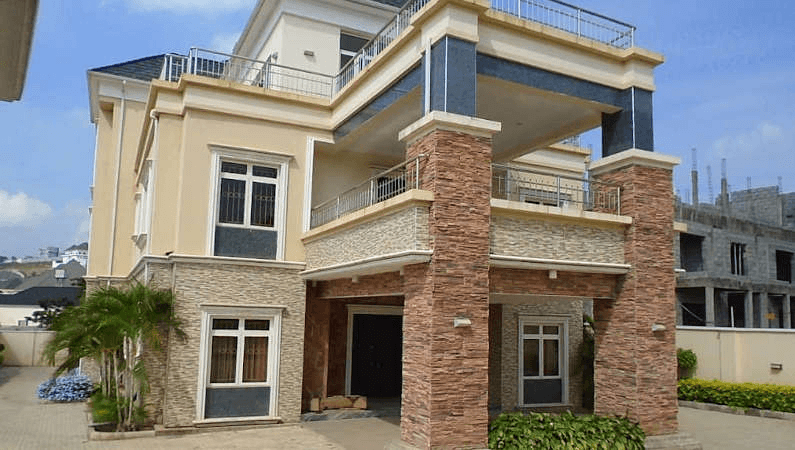
There is a distinct, almost reverent hush that settles over you the moment your vehicle glides past the security checkpoints and onto the wide, immaculate boulevards of Asokoro. Nestled against the dramatic backdrop of Aso Rock, this neighbourhood does not merely exist within the Federal Capital Territory; it anchors it. If other parts of Abuja represent the commercial hustle and urban evolution of Nigeria, Asokoro stands as a timeless monument to power, diplomacy, and old-money luxury. In 2026, it remains the most exclusive, heavily fortified, and prestigious residential enclave in West Africa, a sanctuary reserved for top diplomats, high-ranking government executives, captains of industry, and global leaders.
Living in Asokoro means experiencing a completely elevated dimension of daily life. Here, the traditional chaos of urban West Africa disappears, replaced by meticulously manicured lawns, sprawling embassies, and architectural masterpieces hidden behind towering, flower-draped security walls. The neighbourhood operates on an entirely different frequency: early-morning walks along quiet, heavily patrolled loops, midday meetings in ultra-exclusive private lounges, and a nightlife that is discreet, secure, and highly curated. It is a neighbourhood designed for those who value absolute privacy and institutional safety above all else. However, stepping into this world requires a massive financial commitment. The “Asokoro premium” is not a subtle marketing buzzword; it is an economic reality that dictates every transaction, from local property acquisition down to basic home services.
Many prospective residents attempt to budget for a move into this elite district by calculating only the baseline annual rent, completely blinding themselves to the complex web of highly localised maintenance fees, estate levies, alternative power expenses, and institutional lifestyle costs that actually make up an Asokoro budget. The gap between casual expectations and the real-world monthly cash flow required to maintain an estate here can be staggering. This comprehensive guide serves as an honest, deeply researched, and highly accurate financial blueprint for anyone planning to build, rent, or manage a lifestyle in Asokoro in 2026.

How Much is Rent in Asokoro?
Rent in Asokoro is the single largest financial consideration you will face, acting as the absolute anchor around which your entire asset allocation must be structured. The rental landscape here is fundamentally different from anywhere else in Nigeria. Because the district was planned from inception to house the nation’s political and diplomatic elite, standalone mega-mansions, expansive detached duplexes, and sprawling compound estates form the overwhelming majority of the property inventory.
In 2026, however, a highly competitive market for premium luxury apartments and serviced blocks has emerged to cater to expatriates, consultants, and senior corporate directors who require the security of Asokoro but prefer the agility of a flat. The pricing variances are stark, dictated heavily by proximity to high-security zones (such as the ECOWAS Secretariat or the Presidential Villa), smart-home automations, and the age of the structural finishes.
Annual Rent & Monthly Equivalents (2026)
| Property Type | Annual Rent Range | Monthly Equivalent |
| Luxury Studio / Serviced BQ | ₦3,500,000 – ₦6,000,000 | ₦291,666 – ₦500,000 |
| 1-Bedroom Luxury Apartment (Mini-Flat) | ₦6,500,000 – ₦11,000,000 | ₦541,666 – ₦916,666 |
| 2-Bedroom Luxury Flat / Apartment | ₦12,000,000 – ₦22,000,000 | ₦1,000,000 – ₦1,833,333 |
| 3-Bedroom Luxury Apartment / Townhouse | ₦20,000,000 – ₦35,000,000 | ₦1,666,666 – ₦2,916,666 |
| 4/5-Bedroom Detached Duplex + Private Pool & BQ | ₦45,000,000 – ₦90,000,000+ | ₦3,750,000 – ₦7,500,000+ |
3 Important Things to Note Before Renting in Asokoro

The Upfront Capital Multiplier: While breaking these numbers down into monthly equivalents is essential for corporate cash-flow indexing, remember that Asokoro landlords almost exclusively demand a minimum of one full year upfront, with older-generation landlords or multi-national developers frequently asking for two years upfront on new tenancies. For a premium 2-bedroom apartment tracking at ₦16,000,000 per annum, you must be prepared to deploy that capital as a singular lump sum. Additionally, the standard “Total Package” additions apply: a 10% agency fee, a 5% to 10% legal fee, and an extensive caution deposit (frequently ranging from ₦1,000,000 to ₦2,500,000) to insulate the landlord against high utility and structural backlogs.
The Diplomatic and Institutional Tenant Bias: Landlords in Asokoro possess an extreme, institutional bias toward embassies, multinational corporations, international NGOs, and top-tier oil executives. If you are an independent entrepreneur or remote consultant, you will face rigorous vetting. Many premium properties are intentionally priced in hard currency (USD or EUR) or require corporate guarantees before an inspection can even be booked.
Physical and Electronic Security Alignment: Security in Asokoro is structural. When inspecting an apartment or duplex, it is vital to verify that the physical security installations (bulletproof entry doors, motorised gates, electric fences, and CCTV loops) are fully operational and tied to dedicated backup power. In this neighbourhood, structural security is treated as a baseline utility, not a premium upgrade.
Service Charges and Estate Levies in Asokoro
The service charge framework in Asokoro is where casual budgets are completely dismantled. In this district, property maintenance is treated with absolute seriousness to preserve property values and match the lifestyle expectations of global diplomats. You are not simply renting an apartment; you are funding a highly managed mini-enclave.
In a premium serviced court or gated estate within Asokoro, the service charge is mandatory and extensive. It finances round-the-clock armed or premium uniform security details at the main checkpoints, advanced electronic access control management, corporate waste management systems, regular sewage dislodgement, continuous water treatment and reverse osmosis purification systems, lift maintenance, structural insurance, and the meticulous upkeep of central swimming pools, private gym facilities, and landscaped gardens.
Realistic Monthly Service Charge Ranges,
| Building / Compound Type | Monthly Service Charge Range | Annual Added Cost |
| Classic Standalone Duplex / Self-Managed Compound | ₦50,000 – ₦100,000 | ₦600,000 – ₦1,200,000 |
| Modern Multi-Family Luxury Block (Excl. Power) | ₦120,000 – ₦250,000 | ₦1,440,000 – ₦3,000,000 |
| Premium Elite Court (With 24/7 Centralised Diesel Power) | ₦350,000 – ₦700,000+ | ₦4,200,000 – ₦8,400,000+ |
For an individual or corporate entity renting a 2-bedroom flat with a baseline rent of ₦16,000,000, a standard monthly service charge of ₦180,000 adds an extra ₦2,160,000 to your annual accommodation bill. This brings your true annual baseline housing expenditure to ₦18,160,000. It is absolutely non-negotiable to secure a highly transparent, legally binding Service Level Agreement (SLA) before any financial transaction occurs, ensuring you are fully aware of potential seasonal adjustments or diesel inflation adjustments.
Generator Fuel: The Hidden Utility Bill
While Abuja generally boasts the most stable grid power profile in the country via the Abuja Electricity Distribution Company (AEDC), and Asokoro sits at the absolute top of the national priority list, alternative power sourcing remains a massive economic variable. Asokoro properties are routed through premium Band A feeders, ensuring that grid power is highly consistent (often averaging 18 to 22 hours daily). However, because it is Band A, the tariff per kilowatt-hour is billed at the premium national tier. Furthermore, nationwide grid adjustments and essential infrastructure maintenance mean that a robust backup strategy is a daily necessity.
In large, standalone detached duplexes where residents manage their own infrastructure, running a heavy 30kVA to 60kVA diesel generator to power extensive central air conditioning units, industrial refrigerators, and security arrays during a grid drop is an incredibly capital-intensive exercise. Even with moderate usage during downtime, fuel acquisition, storage compliance, and regular mechanical maintenance schedules can easily demand between ₦150,000 and ₦350,000 per month.
In modern, premium serviced complexes, power is completely centralised and automated. The facilities management team runs massive synchronised industrial generators. This convenience is typically tracked via smart split-meters, where you purchase “Generator Utility Tokens” completely separate from your standard grid power card. In these high-end setups, the effective rate per unit of energy escalates dramatically to account for diesel pricing and equipment wear. For a multi-bedroom apartment running continuous climate control, expect a combined centralised power and fuel invoice ranging from ₦180,000 to ₦400,000 monthly. This severe hidden expense has driven a massive technological migration within Asokoro, with a vast majority of premium properties transitioning to high-capacity 10kVA to 30kVA lithium-battery solar hybrid arrays as their primary defence against power expenses.
Food and Groceries in Asokoro
Food expenditures within Asokoro reflect the ultra-high-net-worth demographic that populates the district. Sourcing groceries within the direct boundaries of the neighbourhood carries an elite premium, but the quality, freshness, and organic standards are unmatched.
The Luxury Grocery and Sourcing Ecosystem
Supermarket Shopping: For high-grade international imports, organic produce, specialised dietary goods, and premium meats, Asokoro and its immediate borders feature highly sophisticated retail plazas. From premium wellness pharmacies to boutique grocery outlets and upscale retail giants located just minutes away in the Central Business District, convenience is seamless. Sourcing all household staples from these specialised centres introduces a 30% to 45% premium over standard urban rates, with a standard single professional’s weekly basket easily averaging ₦35,000 to ₦60,000.
Local Market Shopping: To introduce real fiscal optimisation into a household budget, relying exclusively on premium neighbourhood aisles is a financial misstep. Savvy estate managers and family cooks make structured weekly or bi-weekly trips to the sprawling Wuse Market or the specialised Garki Model Market. Sourcing fresh tubers, grains, peppers, and bulk proteins directly from the open-air wholesale stalls drops your monthly food inflation index by a massive 35%, ensuring absolute freshness while maintaining realistic cost parameters.
Fine Dining and Ambience: Asokoro is home to discrete, ultra-premium culinary options, private clubs, and diplomatic lounges where high-stakes deals are closed over dinner. A casual espresso or continental breakfast meeting at a high-end bistro in the district runs between ₦8,000 and ₦15,000. Engaging in a formal fine-dining experience or a multi-course dinner at an upscale restaurant along Julius Nyerere Crescent or near the geopolitical zones easily scales from ₦35,000 to ₦80,000 per head, making lifestyle dining a significant variable based on your social frequency.
Monthly Food Budget Estimates (2026),
| Household Type | Sourced Mostly from Open Markets | Mixed (Market Bulk + Premium Retail & Dining) |
| Single Professional | ₦90,000 – ₦140,000 | ₦200,000 – ₦350,000 |
| Couple | ₦160,000 – ₦240,000 | ₦350,000 – ₦600,000 |
| Family of Three | ₦220,000 – ₦310,000 | ₦450,000 – ₦750,000 |
| Family of Four | ₦280,000 – ₦400,000 | ₦600,000 – ₦1,000,000+ |
Transport in Asokoro
Abuja’s master structural plan shines brightest within the Asokoro district. The area features flawlessly paved, multi-lane expressways, expansive setbacks, and seamless geometric routing that allows residents to access the Federal Secretariat, the National Assembly, and the Central Business District within a traffic-free 5 to 10 minutes.
Commute Channels and Logistics
Personal Vehicle Maintenance and Fleet Operations: Driving a personal vehicle or managing a corporate fleet is the absolute standard for Asokoro residents. Because driving distances within the primary phases of the city centre are short and completely devoid of traditional stop-and-go gridlock, fuel burn is highly efficient. However, because premium luxury vehicles, armoured SUVs, and high-spec European sedans dominate the neighbourhood, regular maintenance, tracking compliance, and specialised mechanical upkeep drive up costs. Monthly fuel expenses for a standard 6-cylinder or 8-cylinder luxury vehicle average ₦70,000 to ₦140,000, with a necessary monthly mechanical maintenance amortisation buffer of ₦45,000 to ₦90,000.
Ride-Hailing Platforms: Premium ride-hailing services (Uber and Bolt Comfort/Premium tiers) operate with high density around Asokoro, with average pickup wait times sitting below 4 minutes. A standard direct transit from Asokoro to Maitama or the Diplomatic Zones costs between ₦3,000 and ₦5,500. For an active professional or visiting consultant operating entirely via ride-hailing for daily office runs and social engagements, the monthly transport footprint will settle between ₦150,000 and ₦260,000. Executive shared bus services like Shuttlers run specialised, highly structured corporate routes linking peripheral hubs to the central secretariat corridor, costing roughly ₦45,000 to ₦80,000 monthly for a guaranteed air-conditioned, professional seat.
Public Mass Transit: Traditional mass transit—such as green city buses and painted urban taxis—is strictly regulated within Asokoro. They are restricted from plying several highly sensitive residential loops and diplomatic crescents for security reasons. While cheap (costing ₦500 to ₦1,000 per route leg along the main peripheral highways), they require substantial walking to reach the interior gates of estates, making public transit exclusively the domain of commuting domestic workers and retail staff.
Monthly Transport Budget Estimates,
| Commute Pattern / Mode Selection | Monthly Transport Cost |
| Remote Director / Low Local Mobility | ₦35,000 – ₦70,000 |
| Daily Inner-City Commute (Personal Luxury Vehicle) | ₦90,000 – ₦160,000 |
| Daily Inner-City Commute (Shared Executive / Shuttlers) | ₦50,000 – ₦90,000 |
| Daily Inner-City Commute (Ride-Hailing Premium Exclusively) | ₦180,000 – ₦320,000 |
| Mixed Staff Transit (Public Buses / Dedicated Staff Shuttles) | ₦40,000 – ₦75,000 |
Utilities: Internet & Additional Power Cost
In 2026, premium, uninterrupted digital utilities are the non-negotiable lifeblood of Asokoro’s resident diplomatic class, corporate directors, and political leaders. Telecommunications infrastructure in this district is world-class, with high-speed fibre-optic lines fully deployed underground across every single crescent, loop, and avenue.
A premium residential unlimited fibre-to-the-home (FTTH) internet subscription from elite Tier-1 providers like ipNX, Liquid Intelligent Technologies, or corporate telecom frameworks ranges from ₦25,000 to ₦45,000 per month, delivering exceptional bandwidth, near-zero latency, and continuous uptime for multi-device streaming, secure data transmissions, and global video conferencing. For elite multi-national hubs, sovereign estates, or tech-heavy homes deploying high-tier satellite internet solutions like Starlink, the monthly hardware upkeep and priority subscription service sit solidly around ₦38,000 to ₦65,000.
Main grid electricity tokens are managed via AEDC prepaid smart meters. Because Asokoro is designated on the highest-priority Band A tariff schedules, the rate per kilowatt-hour reflects premium pricing structures. For a standard 2-bedroom or 3-bedroom luxury flat, keeping heavy-draw climate control units running efficiently, managing automated water filtration systems, and operating comprehensive exterior security illumination, your prepaid electricity token demands a monthly allocation of ₦40,000 to ₦85,000. For expansive standalone duplexes running heavy central cooling systems and industrial kitchens, this prepaid power bill can easily cross ₦150,000 monthly.
Water provision in Asokoro is highly sophisticated. While the district is securely connected to the central FCT Water Board mains network, the vast majority of luxury properties and serviced complexes maintain private, heavy-duty borehole systems integrated with multi-stage reverse osmosis filtration plants as a baseline redundancy. Central water board bills are nominal or wrapped cleanly into your monthly estate service charge, but independent multi-stage filtration filter swaps and chemical conditioning add an amortised ₦8,000 to ₦20,000 monthly to ensure the water remains completely pure, soft, and safe for premium plumbing fixtures.
How Much are School Fees in Asokoro?

For families residing within this elite enclave, the educational landscape represents the pinnacle of international standard learning in Nigeria. Asokoro and its immediate peripheral borders host the country’s most exclusive international preparatory schools, Ivy League academies, and embassies-linked preschools designed to serve the children of global diplomats and political leaders.
Tuition is billed on a per-term basis, with three terms completing a standard academic year. The financial requirements are dictated by global curriculum modules (such as the International Baccalaureate or the Cambridge International Examinations framework), native-speaking instructional staff, state-of-the-art sporting facilities, and high-level biometric security systems.
Private School Tuition Structure (Per Term),
| School Tier Classification | Termly Fees Range | Expected Annual Total (3 Terms) |
| Standard Prestigious Private Academy | ₦400,000 – ₦800,000 | ₦1,200,000 – ₦2,400,000 |
| Top-Tier Elite International School | ₦1,200,000 – ₦2,500,000 | ₦3,600,000 – ₦7,500,000 |
| Premium Ivy-Track / Global Diplomatic Academy | ₦3,500,000 – ₦7,000,000+ | ₦10,500,000 – ₦21,000,000+ |
For a household with two children enrolled in a reputable, top-tier Asokoro International Academy, the family budget must structurally account for a termly capital outflow of at least ₦3,000,000. It is crucial to note that these baseline tuition figures universally exclude essential seasonal extras: premium school bus transit services (which run ₦80,000 to ₦150,000 per term due to specialised security routing and fuel pricing), customised uniform sets, international textbook licensing fees, mandatory laptops/tablet provisions, and elite extracurricular equestrian or musical club levies.
Household Help in Asokoro
Due to the expansive physical size of Asokoro properties and the demanding schedules of diplomatic and corporate residents, outsourcing domestic operations to a structured team of household staff is a standard operational reality rather than a luxury.
Live-in Chef / Professional Cook: Hiring a trained cook capable of preparing continental and local cuisines to diplomatic standards commands a monthly salary floor of ₦80,000 to ₦130,000 in 2026. Because they occupy a room in your detached Boys’ Quarter (BQ), you are also responsible for their full daily feeding, basic medical care, and uniform presentation.
Live-in Housekeeper / Maid: A full-time housekeeper tasked with deep cleaning, laundry management, and daily property maintenance runs between ₦60,000 and ₦95,000 per month.
Nanny or Certified Childminder: A dedicated childminder tasked with infant care or managing school schedules averages ₦70,000 to ₦120,000 monthly, with rates scaling higher if the individual possesses formal early-childhood nursing or educational credentials.
Private Armed / Uniform Security Guard: While gated courts handle central gate security, standalone mansions and diplomatic properties universally deploy private security guards to manage the outer perimeter and vehicle transitions. Hiring an independent, vetted guard or outsourcing to a premium registered private security firm costs between ₦60,000 and ₦110,000 monthly per guard position.
Healthcare in Asokoro
Healthcare infrastructure accessible to Asokoro residents is exceptional, featuring the highest density of private specialist clinics, advanced diagnostic centres, and internationally linked medical facilities in the city centre.
Health Insurance (HMOs)
Expatriates and diplomatic staff universally have their medical exposure insured via premium international health insurance policies (such as Bupa or Cigna). For independent directors, politicians, or families securing private local coverage, a premium individual HMO plan from top-tier providers costs between ₦100,000 and ₦250,000 annually. Comprehensive family medical packages that guarantee direct access to private suites, immediate specialist interventions, and advanced diagnostic imaging across Asokoro’s elite hospitals average ₦400,000 to ₦850,000 per year.
Out-of-Pocket Healthcare
Navigating the premium private medical framework out-of-pocket demands substantial cash reserves. A basic general practitioner consultation fee at a recognised specialist clinic inside Asokoro ranges from ₦15,000 to ₦35,000 per visit, completely excluding diagnostic laboratory testing or pharmacy costs. A routine medical incident—such as treating a severe acute malaria episode or an intensive executive checkup involving detailed blood profiles and premium imported prescription medications—typically yields a bill between ₦50,000 and ₦120,000. Maintaining a dedicated medical emergency buffer is highly advisable.
Entertainment and Lifestyle in Asokoro
Socialising and maintaining a lifestyle within Asokoro is highly sophisticated and discreet, leaning heavily toward private memberships, luxury wellness, and upscale leisure hubs.
Private Club & Gym Memberships: Staying fit and networking in an elite environment costs money. High-end fitness centres, private wellness clubs, and luxury hotel gyms within the Asokoro-Maitama axis range from ₦35,000 to ₦80,000 monthly, offering advanced cardio decks, private trainers, and access to tennis courts.
Streaming & Home Entertainment: Keeping the home digital entertainment centre synchronised via dedicated local data bundles and multi-app subscriptions (combining Netflix 4K, Showmax Pro for live sports, Prime Video, and YouTube Premium) requires a steady monthly allocation of ₦12,000 to ₦25,000.
Weekend Leisure and Private Dining: Socialising in this district is seamless but highly transactional. A typical weekend routine involving brunch at an exclusive café, art gallery viewings, or evening drinks at a secured diplomatic lounge easily averages ₦50,000 to ₦120,000 monthly per individual if managed conservatively. For those who enjoy fine cigar lounges, elite networking dinners, or private country club memberships, this lifestyle budget can easily scale past ₦250,000 monthly.
Personal Care and Elite Grooming: A visit to an upscale, highly secure unisex salon or modern executive barbershop within the district for a premium haircut, wash, shave, and facial treatment costs ₦5,000 to ₦15,000. Premium female hair styling, extensions, specialised nail artistry, and routine spa hydrotherapy sessions range from ₦25,000 to ₦120,000 per session, depending on preferences.
Full Monthly Budget Summaries
To provide a complete and fully integrated financial reality check, let’s synthesise all these individual cost segments into realistic monthly operational budgets for three distinct household profiles living in Asokoro in 2026.
Comprehensive Cost Breakdowns by Profile,
| Expense Category | Single Professional (Luxury 1-Bed Flat @ ₦9M/yr) | Couple (Modern 2-Bed Flat @ ₦16M/yr) | Family of Four (3-Bed Townhouse @ ₦26M/yr + 2 Elite Kids) |
| Rent (Monthly Equiv.) | ₦750,000 | ₦1,333,333 | ₦2,166,666 |
| Service Charges / Levies | ₦130,000 | ₦180,000 | ₦250,000 |
| Generator Fuel (Backup Power) | ₦100,000 | ₦140,000 | ₦200,000 |
| Food & Groceries (Mixed) | ₦230,000 | ₦420,000 | ₦720,000 |
| Transport (Pattern-based) | ₦85,000 | ₦120,000 | ₦150,000 |
| Prepaid Power & Internet | ₦65,000 | ₦85,000 | ₦115,000 |
| School Fees (Amortised) | — | — | ₦1,200,000 |
| Domestic Staff / Help | ₦40,000 (Part-time) | ₦85,000 (Live-in Maid) | ₦220,000 (Nanny + Maid + Guard) |
| Entertainment & Lifestyle | ₦70,000 | ₦110,000 | ₦140,000 |
| Healthcare Buffer | ₦30,000 | ₦50,000 | ₦80,000 |
| Total Monthly Budget Target | ₦1,500,000 | ₦2,623,333 | ₦5,241,666 |
How Asokoro Compares to Nearby Places
When analysing a transition to Asokoro, it helps to understand how its cost-to-value ratio positions it relative to adjacent elite choices within the capital city.
Asokoro vs. Maitama: Maitama is Asokoro’s direct peer and historical rival for absolute luxury dominance. While pricing across rent and service charges is virtually neck-and-neck, Maitama features a slightly higher concentration of high-end commercial retail spaces, shopping malls, and public restaurants. Asokoro, by contrast, retains a far quieter, heavily residential, and ultra-secure profile, making it the preferred choice for foreign embassies and sovereign security entities.
Asokoro vs. Wuse 2: Wuse 2 is the unapologetic commercial and entertainment nerve centre of Abuja. Sourcing an apartment in Wuse 2 costs about 20% to 30% less than in Asokoro, but you trade away peace. Wuse 2 suffers from high traffic density, loud nightlife, and commercialisation, whereas Asokoro provides a complete, tree-lined sanctuary and elite zoning insulation.
Asokoro vs. Garki 1 & 2: Garki sits directly adjacent to Asokoro’s southern borders. It is a highly institutional, business-focused district that houses government ministries. Garki is significantly more affordable, with rental rates tracking at roughly 45% of what is demanded in Asokoro. However, Garki features mostly older structural models, highly crowded commercial areas, and completely lacks the elite prestige, wide avenues, and advanced security infrastructure that define Asokoro.
Asokoro vs. Guzape: Guzape is Abuja’s rapidly evolving “new money” hill district. It features striking modern architectural blocks and views. Renting a modern apartment in Guzape can cost roughly 25% less than in Asokoro. However, because Guzape is still experiencing substantial development construction, parts of it suffer from unpaved secondary roads, dust, and developing drainage infrastructure, while Asokoro stands fully matured, pristine, and structurally flawless.
Ready to Plan Your Asokoro Budget?
Securing a premium property that aligns perfectly with your financial and lifestyle strategy in West Africa’s most exclusive district requires absolute data transparency. Every single property listing on Expert Listing contains fully verified rental pricing, real-time vacant status tracking, and precise location plotting—including critical terrain analysis, structural elevation details, and flood-risk signals to guarantee complete peace of mind.
Browse current apartments in Asokoro and see what your budget actually buys you today.
Frequently Asked Questions
Why is Asokoro considered the safest neighbourhood in Abuja?
Asokoro’s security profile is unparalleled because it houses the highest concentration of sovereign infrastructure in the nation, including the Presidential Villa (Aso Rock), multiple military command centres, intelligence headquarters, and dozens of foreign embassies. The entire district is heavily patrolled by elite security forces 24/7, features continuous electronic surveillance loops, and maintains highly restricted access control checkpoints, making it exceptionally secure for global dignitaries and families.
2. Are there any issues with flooding or drainage in Asokoro?
No. Asokoro was masterfully engineered as part of Abuja’s foundational phase 1 development plan. Situated on naturally elevated, sloping terrain against the foot of Aso Rock, it features deeply channelled, robust underground concrete drainage networks. Street or structural flash flooding is virtually non-existent, even during the peak of the tropical rainy season, preserving property integrity and road surfaces flawlessly.
What is the absolute minimum monthly income required to live comfortably in Asokoro?
For a single corporate executive or consultant renting a modern 1-bedroom mini-flat and maintaining a standard middle-class lifestyle, a net monthly take-home income should sit at a strict baseline floor of ₦1,500,000 to ₦2,000,000 to comfortably offset amortised high rents, service charges, power tokens, and lifestyle costs. For a family of four with kids enrolled in standard international academies, a combined household net monthly income floor of ₦5,000,000 to ₦6,500,000 is necessary to maintain complete financial peace of mind.