Cost of Living in Agungi, Lagos (2026): Rent, Food, Transport & Utilities Cost
Expert Listing
·
·
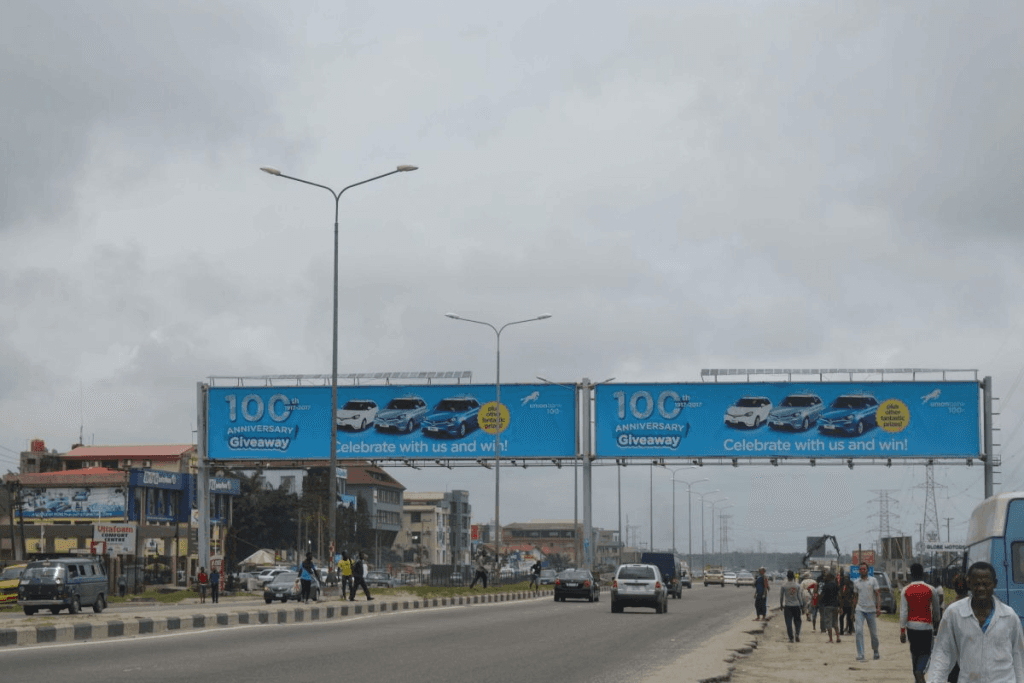
Moving to the Lekki corridor is rarely a choice made with the expectation of low-cost living, and anyone eyeing an apartment in Agungi generally understands that they are entering a premium real estate market. However, there is a substantial difference between anticipating a high lifestyle bill and understanding the granular, real-world reality of monthly bank transfers.
Many home seekers assume that once the initial annual rent is paid, the financial heavy lifting is finished, only to find themselves blindsided by secondary, recurring obligations that can easily double their projected monthly output. The true cost of settling down in this part of Lagos lies in the interaction between rent, hidden housing maintenance structures, and daily lifestyle expenses.
This guide provides a comprehensive, numbers-driven breakdown of what it actually costs to live in Agungi in 2026, structured specifically to protect your finances from post-move surprises. By looking honestly at every significant spending column, from core property costs to grocery run averages, public transport options, and standard childcare rates, this analysis serves multiple household types.
Whether you are a single professional looking to transition closer to your Victoria Island office, a couple looking for more space, or a family balancing education costs with estate fees, the goal is to establish complete transparency before you sign a tenancy agreement.
What makes Agungi distinctive within the broader Lekki axis is its positioning as a transitional middle-ground neighbourhood that bridges the ultra-premium prices of Lekki Phase 1 with the slightly more accessible price points found further down towards Ajah.
It functions as an operational compromise, offering relatively structured estate environments and manageable commute times to the major commercial nodes without demanding the extreme rental premiums of Ikate or Osapa London.
However, this hybrid status introduces a highly variable cost structure where a building on one street might run entirely on an expensive collective diesel schedule, while an identical property a few blocks away relies primarily on personal alternative power, fundamentally changing your monthly utility obligations.

Browse verified apartments in Agungi with current pricing on Expert Listing:
How Much is rent in Agungi?
Residential rent acts as the absolute anchor of your household budget in Agungi, dictating not only your initial capital outlay but also directly influencing the scale of your secondary costs like caution deposits and estate maintenance levies.
Because landlords in this district view their properties as high-yield assets, rental prices are closely tied to the inflation-adjusted benchmarks of 2026, meaning that older, unrenovated structures and newly finished contemporary blocks sit at opposite ends of a very wide pricing spectrum.
| Property Type | Annual Rent Range | Monthly Equivalent |
| Self-contained / Studio | ₦1,500,000 – ₦2,600,000 | ₦125,000 – ₦216,667 |
| 1-Bedroom Flat | ₦3,000,000 – ₦4,500,000 | ₦250,000 – ₦375,000 |
| 2-Bedroom Flat | ₦5,000,000 – ₦7,500,000 | ₦416,667 – ₦625,000 |
| 3-Bedroom Flat | ₦6,000,000 – ₦9,000,000 | ₦500,000 – ₦750,000 |
| 4-Bedroom Duplex | ₦10,000,000 – ₦16,000,000 | ₦833,333 – ₦1,333,333 |
First, anyone planning a move here must account for the firmly entrenched Lagos convention of upfront annual rental payments, which requires tenants to produce twelve to twenty-four months of rent in a single lump sum before receiving keys. For example, securing a standard, mid-range two-bedroom flat priced at ₦6,000,000 per annum means you cannot simply budget ₦500,000 per month from your ongoing salary; you must have that ₦6,000,000 ready upfront, alongside an additional 30% typically demanded for agency fees, legal execution fees, and a refundable caution deposit, bringing your actual move-in day capital requirement closer to ₦7,800,000.
Second, the specific street, proximity to the Lekki-Epe Expressway, and the structural age of the building create massive price variations within the exact same property tier across Agungi. Properties located deep inside established, highly secure residential enclaves like Royal View Estate or East Estate command premium prices because they offer paved, well-drained interlocking roads and structured security checkpoints.
Conversely, houses situated on lower-lying streets closer to the swampier boundaries or those requiring navigation through unpaved, flood-prone paths during the rainy season see their rental values discounted significantly, even if the interior finishes of the apartments are identical.

Service Charges and Estate Levies
The service charge is the specific financial obligation that conventional tenancy budgets fail to fully anticipate, yet it represents a non-negotiable cost of maintaining a functional lifestyle along the Lekki corridor.
In Agungi, these fees are not optional luxury add-ons but are mandatory contributions required to keep the immediate ecosystem running, covering essential communal services that individual residents cannot manage independently.
A standard, well-administered service agreement in this neighbourhood covers round-the-clock uniform security guards at the gates, central water treatment and pumping infrastructure, systematic waste collection via LAWMA or private contractors, drainage clearing, compound cleanliness, and the administration of corporate estate management teams.
| Building Type | Monthly Service Charge Range |
| Older standalone building (basic) | ₦25,000 – ₦50,000 |
| Mid-tier estate compound | ₦50,000 – ₦100,000 |
| Well-managed newer estate | ₦100,000 – ₦200,000 |
| Premium serviced building | ₦200,000 – ₦350,000+ |
To see how this alters your actual financial commitments, consider a worked example involving a standard, mid-tier two-bedroom flat in a structured Agungi compound. While the base rent for the apartment might be set at an accessible ₦5,500,000 per annum, the facility requires a monthly service charge payment of ₦75,000 to keep the security, water treatment plants, and compound lighting active. Over the course of twelve months, this service fee accumulates to an additional ₦900,000, transforming your true, all-in annual housing cost into ₦6,400,000, which translates to a real monthly shelter budget of approximately ₦533,333 rather than the ₦458,333 you might have calculated based on rent alone.
Because of the variation in what these charges cover, it is critical for any prospective tenant to explicitly clarify and confirm the precise terms of the service charge in writing before executing a lease agreement. Some property managers advertise a low baseline service charge to attract tenants, only to introduce separate quarterly levies for unexpected gate repairs, transformer maintenance, or systematic drainage dredging later on. Ensuring that the agreement explicitly outlines what is covered, how frequently the rates can be adjusted, and how excess usage is accounted for is the only way to stabilise your housing costs over the course of your tenancy.

Want to live in Agungi? Check our guide to renting an apartment in Agungi
Generator Fuel: The Hidden Utility Bill
The most volatile component of your monthly housing expense in Agungi is the cost of fueling industrial-grade generators, an obligation that many landlords intentionally decouple from the standard facility service charge to protect their own profit margins. In buildings that operate a communal generator system with direct billing, tenants are charged separately for the volume of diesel consumed, a calculation that varies wildly depending on the collective capacity of the generator, the number of occupied units sharing the bill, and the specific daily power schedule promised by the management. For apartments that route this utility through an independent billing structure, residents can expect to pay an additional ₦80,000 to ₦180,000 per month, with the exact figures shifting rapidly alongside global fuel prices and the reliability of the grid.
In older or less strictly managed residential blocks where the service charge is marketed as flat or comprehensive, generator fuel is technically captured within the overarching monthly fee listed in the previous section. However, in modern, premium, or newly built developments across Agungi, flat-rate utility models have been largely abandoned in favour of pay-as-you-go prepaid meters or direct monthly assessments based on actual generator runtime hours. This means that during periods of extensive national grid collapse or intense heatwaves, when air conditioning demands spike, your monthly utility statement will climb significantly, completely separate from your fixed rent.
To avoid catastrophic budget overruns, you must never accept a vague verbal assurance from an agent that a building is fully serviced without demanding the exact historical billing records. The precise practical question to ask the landlord, property manager, or current residents before making a commitment is whether generator fuel is integrated into the baseline service charge or billed via a separate, usage-based formula, and precisely what the average per-apartment energy bill was during the most recent three consecutive months. Seeing the actual monthly figures on paper will instantly tell you whether a property fits into your sustainable income limits or if the energy costs will break your budget.
Food and Groceries
Feeding a household while living in Agungi requires a tactical balance between premium convenience retail options and traditional open-air markets, as relying entirely on the former will quickly inflate your monthly food budget. For structured, one-stop grocery runs, residents typically frequent prominent shopping destinations located right along the main expressway corridor, such as Prince Ebeano Supermarket or Blenco Supermarket, both of which are easily accessible from the main Agungi entry points. Opting for these modern supermarkets for your weekly supply of imported goods, dairy, frozen proteins, and household consumables results in an average weekly cost of ₦35,000 to ₦55,000 for a single professional, ₦65,000 to ₦95,000 for a couple, and ₦120,000 to ₦180,000 for a standard family of four.
To inject efficiency into the food budget, smart residents do not buy everything from commercial supermarket aisles, preferring to source their bulk staples and fresh produce from major local wet markets in the vicinity. The closest open-air trading hubs are the popular Jakande Market, just a few minutes down the road, and the extensive New Market further down the expressway, where fresh vegetables, tubers, grains, and local meats are traded directly from suppliers.
Shifting your shopping pattern for fresh food items away from structured retail shelves to these local markets yields an immediate cost advantage, providing verifiable savings of 25% to 35% on your total grocery bill, which keeps your kitchen fully stocked at a fraction of supermarket costs.
The cost of eating out in and around Agungi depends heavily on your choice of dining style, as the area sits directly adjacent to a dense concentration of casual eateries, quick-service restaurants, and specialised lounges flanking the Lekki highway. A standard, casual midday meal at a mid-range local diner or fast-food spot like Domino’s Pizza or a neighbourhood boka spot averages ₦4,000 to ₦8,000 per person, while an evening dinner date at a premium restaurant or upscale lounge in the area easily reaches ₦18,000 to ₦35,000 per individual once drinks and appetisers are factored in.
For a working professional who skips home cooking and relies on restaurant deliveries or dine-out options approximately four times a week, this habit alone accumulates a monthly expenditure of roughly ₦96,000, underscoring how quickly discretionary food choices can drain income.
| Household Type | Cooking at Home Mostly | Mixed (some eating out) |
| Single professional | ₦120,000 – ₦160,000 | ₦180,000 – ₦240,000 |
| Couple | ₦200,000 – ₦280,000 | ₦290,000 – ₦400,000 |
| Family of four | ₦380,000 – ₦500,000 | ₦520,000 – ₦700,000 |

Transport
Navigating your daily commute from Agungi to the primary commercial nerve centres of Lagos is a significant factor in your schedule and budget, with your total spend determined entirely by whether you navigate the Lekki-Epe toll system in a private vehicle or use commercial transport options. For residents operating a personal vehicle, the financial commitment goes far beyond simple fuel consumption, as the stop-and-go nature of Lekki traffic increases wear and tear on engines and braking systems. A standard sedan or compact SUV running a daily round-trip commute from Agungi to Victoria Island or Ikoyi will demand a monthly fuel budget of ₦90,000 to ₦140,000, combined with an amortised monthly maintenance allocation of ₦30,000 to ₦60,000 for routine oil changes, suspension fixes, and tyre replacements, bringing the total running cost to a range of ₦120,000 to ₦200,000 per month.
For professionals who prefer to avoid the stress of driving and instead rely on ride-hailing services like Uber and Bolt, transport costs can easily mount if not carefully monitored. The most common daily commute route runs from the Agungi junction down the main expressway, through the Lekki Phase 1 corridor, and into Victoria Island or the Marina commercial business district. A single, one-way ride-hailing trip along this path during the morning peak window costs between ₦5,000 and ₦8,500, depending on real-time surge pricing, meaning a dedicated five-day-a-week commuter will generate a monthly ride-hailing bill of ₦200,000 to ₦340,000, making it one of the most expensive ways to manage transit.
Fortunately, the neighbourhood is well-positioned for more affordable public transit options, as the main Agungi bus stop along the expressway serves as a consistent boarding point for high-capacity commercial buses and regulated transit systems. Commuters can access the Bus Rapid Transit system or semi-structured corporate coastal buses that move large numbers of workers directly to the Island daily for a single-journey cost of ₦800 to ₦1,500. This public transport alternative serves as a highly efficient, cost-effective option for Island-bound workers who want to preserve their capital, allowing them to bypass the premium costs of personal vehicle maintenance and ride-hailing app charges entirely.
| Commute Pattern | Monthly Transport Cost |
| Personal vehicle, daily Island commute | ₦120,000 – ₦200,000 |
| Ride-hailing, daily Island commute | ₦200,000 – ₦340,000 |
| BRT daily commuter | ₦35,000 – ₦60,000 |
| Mixed (drive some days, BRT others) | ₦80,000 – ₦130,000 |
| Work from home / minimal commute | ₦20,000 – ₦45,000 |

Utilities: Internet and Additional Power Costs
Maintaining consistent digital and physical infrastructure inside an Agungi apartment requires independent utility investments that go beyond what a conventional landlord provides. Reliable internet connectivity is a foundational requirement for the high volume of remote workers and corporate professionals living in the area, who generally skip standard mobile data bundles in favour of dedicated home broadband setups. Major fibre-to-the-home and fixed wireless internet service providers operating robustly within the Agungi network footprint include FiberOne, ipNX, and Starlink, with standard monthly subscription plans starting at ₦25,000 for basic residential speeds and scaling up to ₦45,000 for high-capacity, unlimited corporate data packages.
Additional power management represents another critical utility category that residents must fund independently to guarantee comfort when neither the national grid nor the estate generator is active. Because running a personal petrol generator is increasingly inefficient and loud, most tenants install private inverter systems, which require an amortised monthly battery top-up, servicing, or supplementary solar maintenance allocation of ₦15,000 to ₦35,000. This ensures that essential electronics, fans, and workspaces remain powered seamlessly throughout the day without incurring high fuel expenses.
The availability and cost of clean water vary based on the specific property, as the natural water table along the Lekki peninsula requires extensive filtration to be fit for domestic use. In standard, well-structured Agungi estates, the operational cost of running a heavy-duty industrial water treatment plant and distributing water to individual flats is bundled directly into your primary service charge. However, if you live in a standalone building where water treatment is managed individually, you must budget an independent ₦10,000 to ₦20,000 monthly fee for regular chemical treatments, filter replacements, and pumping electricity.
Total utilities estimate: ₦50,000 – ₦100,000 per month, depending on building arrangement and consumption.
School Fees
For families moving to the area, educational costs represent a massive financial obligation that can easily rival or surpass your annual rental commitment. The immediate geographic zone surrounding Agungi contains a wide variety of educational facilities, ranging from modest neighbourhood nurseries to elite, globally recognised learning campuses that cater to affluent Lekki residents.
| School Tier | Termly Fees Range |
| Entry-level private primary | ₦250,000 – ₦450,000 per term |
| Mid-tier established private school | ₦500,000 – ₦900,000 per term |
| Premium private school (e.g. Chrisland Schools) | ₦1,000,000 – ₦1,800,000 per term |
| International curriculum school (e.g. Children’s International School) | ₦2,200,000 – ₦3,800,000 per term |
When calculating your long-term budget, you must remember that the Nigerian academic year is split into three distinct terms, requiring you to multiply these baseline termly figures by three to find your true annual obligation per child. An entry-level private school will require an annual cash commitment of ₦750,000 to ₦1,350,000 per child, while a mid-tier institution climbs to an annual range of ₦1,500,000 to ₦2,700,000 per student, excluding mandatory external costs like customised uniforms, school bus transport services, textbooks, and mandatory PTA levies. For a family raising two children enrolled within a mid-tier educational setup, this requires an annual budget allocation of approximately ₦4,200,000, establishing a major, predictable drain on cash flow that must be planned for long before the school term opens.

Household Help
The domestic helper market in Agungi is highly organised, reflecting the busy schedules of the corporate professionals, entrepreneurs, and dual-income households who occupy the neighbourhood and require consistent support to manage their properties. For families seeking a live-in housekeeper or dedicated cook, the monthly salary ranges from ₦60,000 to ₦90,000, but the real cost of this arrangement includes providing suitable on-site accommodation, which usually means your apartment must feature a boys’ quarter or a detached staff room. This live-in arrangement also means your household food consumption and basic medical care expenses will increase, as you assume full responsibility for the daily upkeep of your staff.
For single professionals or couples occupying smaller apartments who do not require or have space for full-time domestic staff, a part-time daily cleaner is a popular alternative. Securing a reliable worker to visit your apartment two or three times a week for thorough floor scrubbing, laundry, and general cleaning costs between ₦25,000 and ₦45,000 per month, depending entirely on the physical size of the flat and the specific workload. This option provides a balanced approach to property upkeep without the logistical complications or high costs of hosting full-time staff in your living space.
Families with young infants or toddlers typically require a professional nanny or childminder, whose monthly salary scales between ₦65,000 and ₦100,000 based on their experience, educational background, and specific daily working hours. In standalone houses or large properties situated outside of gated estates, hiring a private night or day security guard introduces an additional monthly expense of ₦70,000 to ₦110,000 to ensure the perimeter remains secure. For families navigating the demands of raising young children while sustaining corporate careers on the Island, the nanny cost is an essential budget line rather than a discretionary luxury.

Healthcare
Managing your family’s health while living in Agungi requires a combination of structured corporate health insurance policies and an available cash reserve for unexpected medical events. Most corporate professionals moving to this district have access to an employer-provided Health Maintenance Organisation plan, which covers basic clinical needs and prescription drugs at approved centres. However, for entrepreneurs, freelancers, or families looking to buy a self-paid private health cover plan in Lagos, a reliable individual health insurance policy that provides access to quality hospitals costs between ₦120,000 and ₦280,000 annually, depending on the tier of care and admission privileges required.
For day-to-day medical needs or instances where an issue falls outside your standard insurance coverage, residents rely on private clinics located directly within the Agungi and immediate Lekki borders. A basic outpatient general practitioner consultation at a recognised local medical centre, such as the nearby Blue Coral Healthcare Services, averages ₦10,000 to ₦20,000 per visit, excluding the cost of laboratory diagnostics, blood work, or prescription medications. If your condition requires the attention of a medical specialist, consultation fees rise to a range of ₦25,000 to ₦50,000 per visit, making it highly advisable to maintain an independent medical emergency fund of at least ₦40,000 monthly to absorb sudden healthcare needs without disrupting your broader household finances.

Entertainment and Lifestyle
The proximity of Agungi to the wider Lekki and Victoria Island entertainment corridors makes it easy to spend significantly on leisure and social activities if you do not track your lifestyle expenses. For fitness enthusiasts, maintaining a routine means joining a local gym or wellness facility within the area, with standard monthly memberships ranging from ₦25,000 to ₦55,000 depending on the quality of the equipment and access to personal trainers. Keeping your home entertainment active via digital streaming services like a combined package of Netflix, Showmax, and Amazon Prime Video adds a predictable monthly subscription cost of ₦12,000 to ₦22,000.
Weekend socialisation and dining represent a major spending column for residents, given the area’s concentration of open-air bars, lounges, and upscale beach clubs located just a short drive away. A single professional who prefers a conservative social footprint, limiting nights out to occasional drinks or casual cinema trips, will spend roughly ₦40,000 to ₦70,000 monthly on entertainment. Conversely, an individual with an active social life who frequently visits premium dining spots and lounges along the Lekki corridor can easily see their monthly leisure expenses scale to ₦120,000 or more.
Personal grooming and body care represent another recurring lifestyle expense that remains relatively high along the peninsula due to commercial real estate overheads. A standard visit to a neighbourhood barbershop for a quality haircut and shave costs between ₦4,000 and ₦9,000, while standard hair styling, braiding, or nail care services at a local women’s salon range from ₦15,000 to ₦45,000 per session. Combined, these personal care and grooming routines require a steady monthly allocation of ₦25,000 to ₦65,000 to maintain.

Full Monthly Budget Summaries
Bringing all categories together, here are realistic monthly cost estimates for three common Agungi household profiles.
Single professional in a 1-bedroom flat (Based on a ₦3,600,000 annual rent)
| Category | Monthly Cost |
| Rent (monthly equivalent) | ₦300,000 |
| Service charges | ₦60,000 |
| Food (mixed cooking and eating out) | ₦210,000 |
| Transport (personal vehicle) | ₦140,000 |
| Internet and utilities | ₦65,000 |
| Entertainment and lifestyle | ₦50,000 |
| Healthcare buffer | ₦25,000 |
| Total | ₦850,000 |
Couple in a 2-bedroom flat (Based on a ₦6,000,000 annual rent)
| Category | Monthly Cost |
| Rent (monthly equivalent) | ₦500,000 |
| Service charges | ₦85,000 |
| Food (mixed) | ₦340,000 |
| Transport (one vehicle) | ₦160,000 |
| Internet and utilities | ₦80,000 |
| Entertainment and lifestyle | ₦85,000 |
| Healthcare buffer | ₦35,000 |
| Total | ₦1,285,000 |
Family of four in a 3-bedroom flat (Based on a ₦7,200,000 annual rent), two children in a mid-tier school
| Category | Monthly Cost |
| Rent (monthly equivalent) | ₦600,000 |
| Service charges | ₦120,000 |
| Food (family) | ₦610,000 |
| Transport (one vehicle) | ₦170,000 |
| School fees (two children, averaged monthly) | ₦400,000 |
| Housekeeper/nanny | ₦75,000 |
| Internet and utilities | ₦95,000 |
| Entertainment and lifestyle | ₦90,000 |
| Healthcare buffer | ₦50,000 |
| Total | ₦2,610,000 |
The financial projections outlined above represent realistic, middle-of-the-range lifestyle models for the neighbourhood, and your actual monthly expenses will vary above or below these figures based on your personal choices and specific property service agreements.
How Agungi Compares to Nearby Areas
For context, here are approximate all-in monthly costs for comparable household profiles in nearby areas:
| Area | Single Professional (1-bed) | Family of Four (3-bed) |
| Lekki Phase 1 | ₦1,200,000 – ₦1,600,000 | ₦3,500,000 – ₦4,800,000 |
| Agungi | ₦750,000 – ₦1,100,000 | ₦2,200,000 – ₦3,100,000 |
| Chevron Area | ₦650,000 – ₦900,000 | ₦1,900,000 – ₦2,700,000 |
| Ikate | ₦950,000 – ₦1,350,000 | ₦2,800,000 – ₦3,900,000 |
| Ajah | ₦400,000 – ₦600,000 | ₦1,100,000 – ₦1,700,000 |
An analysis of these figures shows that Agungi functions as a clear financial middle ground, representing roughly 65% of the total monthly expenditure required to maintain an identical lifestyle in Lekki Phase 1. When compared to its more affordable neighbours, Agungi demands a clear premium of approximately 20% over the Chevron area and nearly double the monthly capital required to live in Ajah. Whether this price premium is worth it depends entirely on your need to balance shorter commute times to the Island with your available income.
Ready to Plan Your Agungi Budget?
Navigating the real estate landscape in Agungi requires access to accurate property data so you can avoid hidden fees and find a home that fits your financial goals. Every property listing published on Expert Listing features fully verified annual pricing, up-to-date availability status, and location intelligence that includes historical flooding and infrastructure signals.
Frequently Asked Questions
Is Agungi expensive compared to the rest of Lagos?
Agungi is considered a premium residential neighbourhood within the broader Lagos market, placing it well above the pricing averages of mainland areas but positioning it as an affordable alternative within the Lekki residential corridor. The cost of living in Agungi is lower than ultra-luxury zones like Lekki Phase 1 or Ikoyi, but it requires a much higher monthly income than working-class neighbourhoods on the Mainland or areas further down the peninsula like Ajah. This location operates as a practical financial middle-ground for upwardly mobile corporate professionals who want an Island address without paying the absolute highest premiums.
How much does it cost to live in Agungi per month?
The total monthly cost of living in Agungi varies significantly based on your household composition and your specific property choices. A single professional occupying a standard one-bedroom flat can expect an all-in monthly expense profile of ₦750,000 to ₦1,100,000, which covers their rent equivalent, estate service charges, food, transit, and utilities. For a family of four living in a three-bedroom apartment with two children attending local private schools, the comprehensive monthly budget scales to a range of ₦2,200,000 to ₦3,100,000 to sustain a comfortable lifestyle.
What is the minimum salary to live comfortably in Agungi?
To maintain a comfortable lifestyle in Agungi without financial strain, a single professional should earn a minimum net monthly salary of approximately ₦900,000, which allows them to comfortably absorb the upfront rent equivalent and monthly estate utilities. For couples living in a multi-bedroom flat, a combined household monthly take-home income of at least ₦1,500,000 is recommended to provide an adequate savings buffer alongside recurring living costs. Families managing household help and private school tuition will find that a net monthly income of ₦3,000,000 is necessary to maintain long-term financial security.
Do apartments in Agungi experience severe flooding?
Flooding is a variable issue across Agungi, with the severity of the problem depending heavily on the specific street and the quality of the immediate drainage network. Properties built within highly structured, gated communities like Royal View Estate generally feature elevated foundations and clear, interlocking drainage lines that mitigate the worst effects of seasonal downpours. However, several lower-lying streets and unpaved peripheral roads closer to the natural waterways experience persistent waterlogging during the peak of the rainy season, making it crucial to inspect your specific street during a wet period before signing a lease.
Are service charges mandatory in all Agungi apartments?
Yes, service charges are a mandatory financial obligation in virtually all structured apartment buildings and multi-unit compounds operating throughout Agungi. These fees are legally binding covenants attached to the tenancy agreement, designed to fund the shared costs of security personnel, waste disposal, water treatment, and compound maintenance. Failing to pay these levies consistently will result in property management restricting your access to essential communal utilities like treated water, clean gate access, or estate electricity connections.
What are the main hidden costs to look out for when renting in Agungi?
The most common hidden costs when securing an apartment in Agungi include the landlord’s caution deposit, legal execution fees, and independent generator diesel levies. Many tenants focus entirely on the advertised annual rent, forgetting that move-in day requires an additional 30% payment to cover real estate agency commissions and property documentation. Furthermore, you must always verify whether your monthly service charge covers generator fuel or if you will face an unexpected monthly bill of over ₦100,000 for diesel runtime costs.