Cost of Living in Eko Atlantic, Lagos (2026): Rent, Food, Transport & Utilities Cost
Expert Listing
·
·
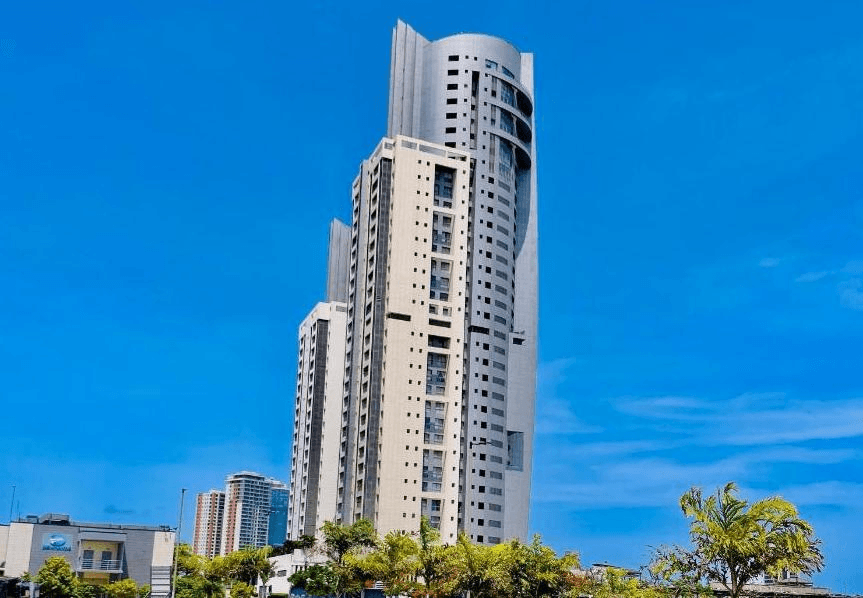
Eko Atlantic City is widely recognised as one of the most exclusive and ambitious real estate developments in Africa, and it does not carry a reputation for affordability. Most prospective residents approach this master-planned, reclaimed oceanfront city with a clear understanding that it represents the absolute premium tier of the Nigerian property market. However, a general awareness of high costs is vastly different from knowing the precise, granular breakdown of what it takes to sustain a household here. There is often a significant gap between the expected high price tag and the structural reality of the day-to-day bills that accompany a residency on this coastal enclave.
This comprehensive area guide provides an authoritative, data-driven breakdown of the true cost of living within Eko Atlantic in 2026. The information compiled here covers all major expenditure categories, including real estate lease rates, monthly estate management levies, domestic grocery sourcing, commute dynamics, educational expenses, and healthcare overheads. By exploring multiple household structures, from single upwardly mobile professionals to expatriate families, this guide aims to equip prospective occupants with realistic, verifiable financial expectations. The ultimate goal is to ensure you can build an accurate budget prior to making a contractual commitment, eliminating the risk of unexpected fiscal surprises after your move.
What distinguishes the cost profile of Eko Atlantic from traditional premium Lagos neighbourhoods like Ikoyi or Victoria Island is its unified, self-sustaining infrastructure model. Because the city operates on an independent grid system that guarantees uninterrupted electricity, potable tap water, and integrated waste management, the utility and service charge frameworks are structurally integrated into the real estate model from day one. You are not merely renting an apartment; you are paying a premium to bypass the standard infrastructural deficits of the wider metropolitan area. Consequently, while upfront lease costs are high, the traditional hidden costs of running individual high-capacity diesel generators are replaced by decentralised, metered city utility tariffs.

Browse verified apartments in Eko Atlantic with current pricing on Expert Listing:
How Much is rent in Eko Atlantic?
Residential leasing represents the single largest expenditure category for any household in Eko Atlantic, acting as the absolute financial anchor around which all secondary costs are organised. Property values within this elite district are tightly bound to global dollar denominations, meaning that even when quoted in Nigerian Naira, lease rates reflect premium international capital standards and fluctuate alongside macro-market shifts.
| Property Type | Annual Rent Range | Monthly Equivalent |
| Self-contained / Studio | ₦24,000,000 – ₦36,000,000 | ₦2,000,000 – ₦3,000,000 |
| 1-Bedroom Flat | ₦35,000,000 – ₦48,000,000 | ₦2,916,666 – ₦4,000,000 |
| 2-Bedroom Flat | ₦55,000,000 – ₦70,000,000 | ₦4,583,333 – ₦5,833,333 |
| 3-Bedroom Flat | ₦65,000,000 – ₦85,000,000 | ₦5,416,666 – ₦7,083,333 |
| 4-Bedroom Duplex | ₦100,000,000 – ₦130,000,000 | ₦8,333,333 – ₦10,833,333 |
First, it is vital to understand that despite the monthly equivalents outlined above, the conventional Lagos landlord payment structure strictly demands upfront annual fulfilment. In Eko Atlantic, this practice is non-negotiable, and it is common for institutional landlords to request two years of rent upfront for brand-new luxury high-rise developments. For example, securing a standard mid-tier 2-bedroom flat within a development like the Eko Pearl Towers at an annual rate of ₦60,000,000 requires an immediate, single liquid outlay of ₦60,000,000 before accounting for agency fees, legal retainers, and refundable caution deposits, which routinely add an extra fifteen to twenty per cent to the initial transaction cost.
Second, the wide variance within these pricing bands is directly dictated by specific building heights, architectural orientation, and whether a unit comes fully furnished to international luxury specifications. A prime apartment situated on the upper floors of an iconic structure like Azuri Towers, featuring panoramic, unobstructed views of the Atlantic Ocean and the private marina, will comfortably command the absolute ceiling of the rental spectrum. Conversely, a similar square-meter layout located on a lower floor with a landward view facing inward toward the commercial districts will lean closer to the lower boundary of the market range.

Service Charges and Estate Levies
The recurring service charge is the specific overhead that incoming tenants most frequently underestimate when calculating their carrying costs in premium developments. In Eko Atlantic, these levies are mandatory, structured rigorously, and collected either quarterly or annually to maintain the high-profile security and engineering standards of the community.
These service fees pay for an array of centralised amenities that are managed at an institutional level, including twenty-four-hour physical security patrols, smart access control systems, continuous maintenance of high-speed industrial elevators, cleaning of common glass facades, localised waste disposal, landscaping, and the upkeep of premium communal areas such as Olympic-sized swimming pools, resident lounges, and state-of-the-art fitness centres.
| Building Type | Monthly Service Charge Range |
| Older standalone building (basic) | ₦350,000 – ₦500,000 |
| Mid-tier estate compound | ₦416,666 – ₦583,333 |
| Well-managed newer estate | ₦500,000 – ₦750,000 |
| Premium serviced building | ₦833,333 – ₦1,250,000+ |
To ground these numbers in a practical, worked budget scenario, consider an occupant leasing a standard 3-bedroom apartment in a well-managed tower with an established annual base rent of ₦75,000,000. If the building administration levies a standard monthly service charge of ₦500,000, this adds an inescapable annual overhead of ₦6,000,000 directly to the household’s balance sheet. Consequently, the true, effective annual cost of occupying that specific property rises to ₦81,000,000, which is the baseline number that must be utilised when comparing the cost profile against other premium locations on the Island.
Prospective lessees must make it a priority to confirm these exact service charge obligations in writing before executing any tenancy agreement. It is critical to explicitly verify whether the stated fee is fixed, subject to inflationary adjustments, or structured as a base rate that excludes specialised utility components, ensuring that the property managers cannot unilaterally introduce supplementary operational levies mid-tenancy.

Want to live in Eko Atlantic? Check our guide to renting an apartment in Eko Atlantic
Generator Fuel: The Hidden Utility Bill
The approach to power generation in Eko Atlantic differs significantly from the rest of the Lagos metropolitan area. Because the entire development operates on an independent, decentralised municipal power grid, residents do not face the burden of maintaining individual, noisy backyard diesel generators or manually calculating bulk fuel deliveries.
However, the cost of generating this continuous energy is still passed directly to the consumer, often managed through specialised building arrangements where power usage is decoupled from the base service charge. In buildings that utilise a separate billing matrix for energy consumption, residents encounter a monthly power levy ranging between ₦250,000 and ₦550,000 per apartment. This variance is strictly dependent on the overall cooling demand of the unit, the total tonnage of the central air conditioning units, and the occupants’ individual consumption habits during peak remote-work hours.
In certain premium high-rises, this energy overhead is fully absorbed into a single, comprehensive premium service charge, meaning the high monthly fee covers all electrical power consumption unconditionally. Conversely, in other towers, power is distributed via a strict Pay-As-You-Go metered infrastructure, where residents buy electrical credits at a localised kilowatt-hour tariff that reflects the international cost of wholesale diesel and natural gas fuel generation.
Before finalising a lease, you must ask the landlord or the estate’s facilities manager a precise, direct question regarding the energy billing architecture. Demand to know whether power is fully inclusive within the annual service charge or billed separately via a dedicated meter, and request a written look at the actual consumption bills issued to that specific apartment over the preceding three billing months to accurately gauge your future outgoings.
Food and Groceries
Sourcing food and household provisions within Eko Atlantic reflects the premium, imported nature of the immediate commercial ecosystem. Because the city is a developing enclave, daily grocery shopping requires a strategic balance between localised premium supermarkets and established open-air supply hubs on the Lagos Island mainland.
Supermarket shopping within the city limits or in the immediate periphery of Victoria Island relies on high-end retail institutions like Mega Plaza Supermarket, Spar, and specialised gourmet delis that cater primarily to expatriates. For a single professional reliant entirely on these upscale storefronts for premium provisions and imported brands, the weekly grocery bill averages between ₦60,000 and ₦95,000. A cohabiting couple should expect to spend between ₦110,000 and ₦170,000 per week, while a full family of four navigating a standard monthly household restock of premium goods will see their weekly supermarket expenditure run from ₦190,000 to ₦290,000.
To optimise food expenditure, residents frequently send domestic staff or make targeted weekend trips to major open-air wet markets located nearby, such as the Ikoyi Sura Market or the expansive Lekki Jakande Market. Sourcing fresh vegetables, local tuber crops, seafood, and bulk wholesale grains from these traditional markets offers a massive cost advantage over the air-conditioned aisles of city supermarkets. By integrating open-air market sourcing into the monthly routine, a household can comfortably achieve a twenty to thirty-five per cent reduction in its total fresh food procurement costs.
The dining landscape surrounding Eko Atlantic represents the absolute pinnacle of the Lagos culinary scene, centred heavily along the immediate dining corridors of Victoria Island and the emerging waterfront bistros within the city itself. Enjoying a casual, mid-range meal at an upscale café or contemporary bistro costs approximately ₦25,000 to ₦45,000 per person, while an evening at a premium fine-dining establishment routinely scales from ₦65,000 to ₦120,000 per individual, excluding high-end wine pairings. A single working professional who dines out three times a week for business entertainment will generate a standalone monthly restaurant bill averaging roughly ₦450,000.
| Household Type | Cooking at Home Mostly | Mixed (some eating out) |
| Single professional | ₦240,000 – ₦380,000 | ₦450,000 – ₦680,000 |
| Couple | ₦440,000 – ₦680,000 | ₦750,000 – ₦1,100,000 |
| Family of four | ₦760,000 – ₦1,160,000 | ₦1,200,000 – ₦1,800,000 |
Transport
Navigating logistics to and from Eko Atlantic benefits from the city’s wide, private internal road networks and its dedicated, secure entrance gate that connects directly to the coastal avenues of Victoria Island. This distinct geographic positioning insulates residents from localised gridlock while keeping them deeply integrated with the corporate core of the Island.
For residents operating a personal vehicle, the financial considerations are centred on fueling and regular mechanical upkeep tailored to the heavy stop-and-go patterns of wider Lagos commutes. A standard sedan or compact sports utility vehicle running daily corporate round-trips from Eko Atlantic into neighbouring business zones will incur a monthly fuel cost of ₦180,000 to ₦300,000. When you add an amortised monthly maintenance allocation of ₦70,000 to ₦130,000 to cover routine lubricants, brake pads, and tyre preservation against the tropical heat, the total running cost for a single vehicle moves between ₦250,000 and ₦430,000 per month.
Premium ride-hailing services like Uber and Bolt operate with high density around the entry portals of the city. A standard, one-way corporate commute from an Eko Atlantic residential tower to a commercial office hub on Ahmadu Bello Way or Adeola Odeku in Victoria Island typically costs between ₦4,500 and ₦8,500, depending heavily on real-time surge pricing structures. For an urban professional relying completely on ride-hailing applications for a five-day workweek, the aggregated monthly transport bill scales to between ₦220,000 and ₦380,000.
The Lagos Bus Rapid Transit system does not cross directly into the secure gates of Eko Atlantic, meaning there are no active BRT terminals within the city itself. Commuters looking to leverage public transport must take a short connecting ride to the primary transit corridors on Lagos Island or the Obalende terminal hub. A single outbound trip from these neighbouring junctions costs between ₦700 and ₦1,500, positioning public transport as a highly cost-effective logistical option for auxiliary domestic staff and corporate commuters who do not want to manage a personal car.
| Commute Pattern | Monthly Transport Cost |
| Personal vehicle, daily Island commute | ₦250,000 – ₦430,000 |
| Ride-hailing, daily Island commute | ₦220,000 – ₦380,000 |
| BRT daily commuter | ₦40,000 – ₦75,000 |
| Mixed (drive some days, BRT others) | ₦160,000 – ₦270,000 |
| Work from home / minimal commute | ₦60,000 – ₦120,000 |

Utilities: Internet and Additional Power Costs
The infrastructural framework of Eko Atlantic treats high-speed digital connectivity and primary utilities as a centralised, institutional utility rather than an individual household issue. The entire city is mapped with underground fibre-optic telecommunications lines, eliminating the need for unsightly external point-to-point masts on apartment balconies.
Premium broadband internet is delivered directly by specialised enterprise service providers like Swift Networks, FiberOne, and specialised city-wide telecom links. A reliable, high-bandwidth, uncapped fibre subscription capable of supporting corporate remote work, continuous video conferencing, and multi-device 4K streaming ranges from ₦45,000 per month for basic speeds to ₦110,000 per month for elite-tier enterprise packages.
Because the underlying electrical framework of the city delivers dependable power, residents are completely spared the ongoing maintenance costs associated with domestic battery inverter banks or solar panel cleaning. There are no additional out-of-pocket expenses for separate emergency generator fuel levies beyond the primary building power utility billing already outlined.
Water utility provisioning is handled via centralised industrial water treatment plants operated by the city municipality. The cost of delivering clean, pressurised potable water directly to your taps is almost universally absorbed into the building’s primary service charge infrastructure, meaning residents rarely encounter an isolated, separate monthly water bill.
Total utilities estimate: ₦295,000 – ₦660,000 per month, depending on building arrangement and consumption.

School Fees
Educational expenses represent a massive, non-negotiable financial commitment that frequently ranks as the second-largest line item in a family budget, right after the annual property lease. Because Eko Atlantic caters to high-net-worth individuals and international corporate executives, the educational options nearby consist exclusively of elite private institutions.
| School Tier | Termly Fees Range |
| Entry-level private primary | ₦800,000 – ₦1,500,000 per term |
| Mid-tier established private school | ₦1,800,000 – ₦3,200,000 per term |
| Premium private school (e.g. Corona School Victoria Island) | ₦3,500,000 – ₦5,500,000 per term |
| International curriculum school (e.g. Rugby School Nigeria) | ₦8,000,000 – ₦14,000,000 per term |
When these termly figures are aggregated across a standard three-term academic calendar, the true annual capital requirement becomes apparent. Sending a single child to an elite regional institution like Corona School, Victoria Island, creates an annual fee obligation ranging between ₦10,500,000 and ₦16,500,000. For international executives enrolling their children in global-standard flagship campuses within the city limits, such as the newly established Rugby School Nigeria, the annual tuition can range from ₦24,000,000 to over ₦42,000,000 per student. A household raising two children enrolled in a well-regarded mid-tier private academy in the area must budget a steady, predictable annual cash outlay of approximately ₦15,000,000 strictly for basic tuition, uniforms, and mandatory educational materials.

Household Help
The mechanics of managing an upscale residence in Eko Atlantic mean that domestic support staff are standard components of the daily household budget. The financial arrangement for these services depends on whether the apartment layout includes a dedicated service room or boys’ quarters to accommodate live-in staff.
A professional, live-in housekeeper or specialised domestic cook commands a monthly salary ranging from ₦90,000 to ₦150,000. It is important to note that this arrangement requires providing full accommodation within the property’s designated staff quarters, alongside an unwritten obligation to cover their basic medical care and monthly food provisions.
For urban professionals occupying smaller studio apartments or 1-bedroom flats where space is limited, hiring a vetted, part-time daily cleaner is the preferred approach. A professional cleaner who comes twice a week to handle basic laundry and heavy apartment maintenance charges a monthly fee between ₦45,000 and ₦75,000.
Hiring a trained nanny or professional childminder to oversee young children costs between ₦100,000 and ₦170,000 per month. This figure varies depending on the caregiver’s formal early-childhood certifications, their fluency in English, and whether they are required to work extended corporate hours or remain on-site over the weekend.
Because residential properties in Eko Atlantic are structured as high-density, secure tower blocks, individual tenants are completely insulated from hiring independent security guards. The cost of safeguarding the property is managed entirely by the tower’s central management and paid for through your standard service charge levy. For families raising young infants while managing demanding corporate careers, the monthly nanny salary is an essential budget line rather than a discretionary luxury.

Healthcare
Maintaining comprehensive health coverage while living in Eko Atlantic requires utilising premium, highly specialised medical institutions located in the immediate geographic vicinity of Victoria Island and Ikoyi.
Most corporate executives moving into the city have their health insurance fully covered via comprehensive corporate group policies. However, for self-employed entrepreneurs or expatriates setting up private entities, securing an individual health insurance plan through a top-tier Health Maintenance Organisation costs between ₦450,000 and ₦900,000 annually per person. This tier of private coverage guarantees direct access to premium medical networks without requiring out-of-pocket down payments during emergencies.
For daily, out-of-pocket medical needs, a standard General Practitioner consultation at an elite multi-specialist medical facility, such as the nearby Reddington Multi-Specialist Hospital, ranges from ₦25,000 to ₦45,000 per visit, excluding laboratory diagnostics and prescriptions. Booking a session with a specialised senior medical consultant or obstetrician typically starts at ₦50,000 and can scale upward depending on the complexity of the evaluation. For households operating without a premium, comprehensive insurance framework, maintaining a dedicated healthcare emergency fund of at least ₦200,000 monthly is highly recommended to manage unexpected medical situations cleanly.
Entertainment and Lifestyle
The lifestyle profile of an Eko Atlantic resident is closely tied to upscale leisure, wellness, and high-end social entertainment. Engaging with the immediate community requires a discretionary budget that accommodates premium recreational spaces.
Maintaining a membership at an elite fitness centre or private gym club within the city or inside premium Victoria Island hotels costs between ₦65,000 and ₦120,000 monthly. These premium health clubs provide residents with access to personal trainers, private squash courts, and clean, uncrowded weight rooms.
Digital entertainment and home streaming subscriptions represent a minor, predictable cost line. A combined package that covers a premium Netflix account, a Showmax subscription for local entertainment, and high-tier audio streaming platforms averages between ₦15,000 and ₦28,000 per month.
Weekend socialising and entertainment spending vary heavily based on your personal lifestyle choices. A conservative professional who limits their socialising to occasional weekend brunches and gallery visits will spend around ₦150,000 monthly. On the other hand, an active resident who regularly frequents the high-end cocktail lounges, elite beach clubs, and premium weekend events along the Victoria Island waterfront will easily spend between ₦450,000 and ₦800,000 every month on their social life.
Personal grooming and high-end wellness care maintain a similar premium pricing structure. A single visit to an upscale salon or luxury barber shop for grooming, styling, and basic therapeutic skincare ranges from ₦20,000 to ₦55,000, bringing the typical monthly personal grooming budget to about ₦60,000 to ₦140,000 per individual.
Full Monthly Budget Summaries
Bringing all categories together, here are realistic monthly cost estimates for three common Eko Atlantic household profiles.
Single professional in a 1-bedroom flat (assumes an annual rent of ₦42,000,000)
| Category | Monthly Cost |
| Rent (monthly equivalent) | ₦3,500,000 |
| Service charges | ₦500,000 |
| Food (mixed cooking and eating out) | ₦550,000 |
| Transport (personal vehicle) | ₦300,000 |
| Internet and utilities | ₦380,000 |
| Entertainment and lifestyle | ₦250,000 |
| Healthcare buffer | ₦50,000 |
| Total | ₦5,530,000 |
Couple in a 2-bedroom flat (assumes an annual rent of ₦60,000,000)
| Category | Monthly Cost |
| Rent (monthly equivalent) | ₦5,000,000 |
| Service charges | ₦600,000 |
| Food (mixed) | ₦900,000 |
| Transport (one vehicle) | ₦350,000 |
| Internet and utilities | ₦450,000 |
| Entertainment and lifestyle | ₦400,000 |
| Healthcare buffer | ₦100,000 |
| Total | ₦7,800,000 |
Family of four in a 3-bedroom flat (assumes an annual rent of ₦78,000,000), two children in a mid-tier school
| Category | Monthly Cost |
| Rent (monthly equivalent) | ₦6,500,000 |
| Service charges | ₦750,000 |
| Food (family) | ₦1,400,000 |
| Transport (one vehicle) | ₦400,000 |
| School fees (two children, averaged monthly) | ₦1,300,000 |
| Housekeeper/nanny | ₦220,000 |
| Internet and utilities | ₦550,000 |
| Entertainment and lifestyle | ₦500,000 |
| Healthcare buffer | ₦150,000 |
| Total | ₦12,270,000 |
Please note that these calculations represent realistic middle-of-the-range operational estimates, and individual household spending can vary significantly above or below these totals depending on your personal choices.
How Eko Atlantic Compares to Nearby Areas
For context, here are approximate all-in monthly costs for comparable household profiles in nearby areas:
| Area | Single Professional (1-bed) | Family of Four (3-bed) |
| Ikoyi | ₦4,500,000 – ₦5,800,000 | ₦10,000,000 – ₦14,000,000 |
| Eko Atlantic | ₦5,200,000 – ₦6,500,000 | ₦11,500,000 – ₦15,500,000 |
| Victoria Island | ₦3,200,000 – ₦4,500,000 | ₦7,500,000 – ₦11,000,000 |
| Lekki Phase 1 | ₦2,200,000 – ₦3,500,000 | ₦5,500,000 – ₦8,500,000 |
| Oniru | ₦1,800,000 – ₦2,800,000 | ₦4,500,000 – ₦7,000,000 |
An analysis of these figures shows that Eko Atlantic commands a distinct premium, representing roughly one hundred and ten per cent of the monthly budget requirements of Ikoyi, its closest luxury neighbour. When compared to more affordable nearby areas like Lekki Phase 1 or Oniru, Eko Atlantic demands more than double the monthly financial commitment, translating to an additional annual cash requirement of over ₦40,000,000 for a standard family size. Whether this pricing premium is justified depends entirely on how much value a household places on independent municipal infrastructure, predictable power grids, and elite oceanfront security.
Ready to Plan Your Eko Atlantic Budget?
Successfully moving into this premium district requires having access to transparent, accurate real estate information. Every residential property listed on Expert Listing features fully verified pricing, real-time availability, and detailed location metrics to ensure you can finalise your financial planning with absolute confidence.
Frequently Asked Questions
Is Eko Atlantic expensive compared to the rest of Lagos?
Yes, Eko Atlantic is structurally one of the most expensive real estate zones in the country. Its pricing reflects its independent utility infrastructure, oceanfront positioning, and international security standards. The entry-level cost for a basic studio apartment here routinely surpasses the price of multi-bedroom flats in standard mainland areas.
How much does it cost to live in Eko Atlantic per month?
For a single professional occupying a 1-bedroom apartment and driving a car, the comprehensive monthly cost averages roughly ₦5,530,000. A full family of four with children enrolled in premium schools will see their monthly operational costs scale to about ₦12,270,000. These totals combine the monthly equivalent of the annual rent alongside all service levies and lifestyle outgoings.
What is the minimum salary to live comfortably in Eko Atlantic?
To maintain a basic household comfortably as a single professional, an individual requires a verified monthly net income of at least ₦6,000,000. This ensures that upfront annual rental obligations can be saved cleanly without sacrificing your standard lifestyle or healthcare protections. For families, the household income threshold must scale above ₦14,000,000 monthly to comfortably absorb premium international tuition rates.
Are service charges mandatory in all Eko Atlantic towers?
Yes, service charges are completely mandatory across all residential properties within the development. These fees are vital to keep the central water filtration plants, high-speed elevators, and twenty-four-hour security systems running smoothly. These charges are collected by building managers on a strict quarterly or annual cycle and cannot be opted out of by residents.
Does Eko Atlantic experience the typical Lagos power outages?
No, the city is completely disconnected from the national electrical grid and operates its own independent generation system. This structural design guarantees residents a continuous, twenty-four-hour power supply without voltage fluctuations. The cost of this utility is paid for through metered consumption bills or integrated service charge frameworks.
What are the hidden costs of renting an apartment in Eko Atlantic?
The primary hidden costs are the mandatory upfront agency fees, legal retainers, and refundable caution deposits, which combine to add fifteen to twenty per cent to your initial lease payment. Additionally, residents must account for separate metered power levies that fluctuate based on their seasonal air conditioning usage. It is highly recommended to clarify these specific line items with property managers prior to executing a lease.