Cost of Living in Ikeja, Lagos (2026): Rent, Food, Transport & Utilities cost
Expert Listing
·
·
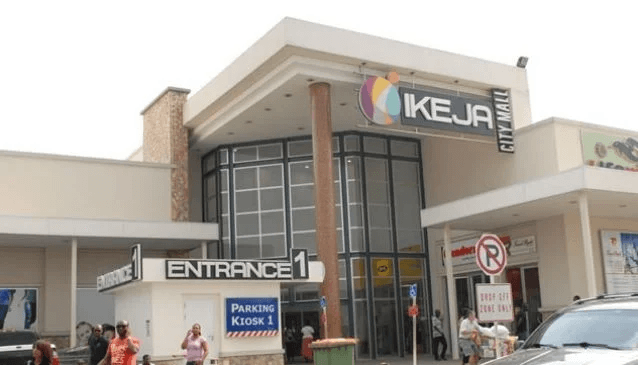
Living in Ikeja in 2026 gives you more than proximity to the seat of power and the airport. It is about a calculated, high-octane lifestyle that balances professional rigour with an unapologetic demand for comfort. As the commercial nerve centre of Lagos Mainland, Ikeja, and particularly its elite pockets like GRA, Maryland, and parts of Opebi, commands a premium that rivals parts of the Island.
Choosing Ikeja means you are prioritising a central location that keeps the rest of Lagos within reach while enjoying a neighbourhood that has matured into a sophisticated urban ecosystem.
This guide discusses the cost of living in a high-demand market where quality and security are the non-negotiable currencies of the day, from the quiet, tree-lined avenues of Ikeja GRA to the bustling corporate towers of Allen Avenue.

Browse verified apartments in Ikeja on Expert Listing today and see what is within your budget.
How much is the rent in Ikeja?
In 2026, the Ikeja rental market has seen a significant uptick, driven by a reverse migration of professionals tired of the Lekki traffic and the flood risks of the Island. Rent is typically paid annually, though some modern serviced apartments now experiment with quarterly billing.
| Property Type | Annual Rent Range | Monthly Equivalent |
| Self-Contain / Studio (Ikeja/Opebi) | ₦1,200,000 – ₦2,500,000 | ₦100,000 – ₦208,000 |
| Mini-Flat (1-Bedroom Apartment) | ₦2,500,000 – ₦5,000,000 | ₦208,000 – ₦416,000 |
| 2-Bedroom Apartment (Standard) | ₦4,500,000 – ₦8,500,000 | ₦375,000 – ₦708,000 |
| 3-Bedroom Flat (GRA/Serviced) | ₦8,000,000 – ₦18,000,000 | ₦666,000 – ₦1,500,000 |
| 4-Bedroom Terrace/Detached House | ₦20,000,000 – ₦45,000,000 | ₦1,600,000 – ₦3,750,000 |
Three important things to note before renting in Ikeja:
Budget an additional 20% of the rent for Total Package costs (10% Agency, 10% Legal). For elite properties in GRA, some landlords also demand a Caution Deposit of up to 10%.
While Ikeja is generally on higher ground, certain areas in Opebi (low-lying parts) and Maryland can experience flash flooding. Always verify drainage using Expert Listing’s location data.
In Ikeja, especially for standalone houses, ensure the Governor’s Consent or C of O is verified. Family land issues are rarer here than in Ajah, but due diligence is mandatory.
Service Charges and Estate Levies in Ikeja
In Ikeja’s gated communities and modern apartment blocks, the Service Charge is the second rent. This covers security, waste management, cleaning of common areas, and increasingly, treated water.
In high-end GRA developments, service charges are rarely inclusive of power (which is metered), but they cover the heavy lifting of estate maintenance.
Monthly Service Charge Estimates
| Building Type | Service Charge Monthly |
| Gated Community (Security & Waste Only) | ₦35,000 – ₦70,000 |
| Mid-Tier Serviced Apartment (plus Water) | ₦80,000 – ₦150,000 |
| Luxury High-Rise / Premium GRA Estate | ₦200,000 – ₦450,000 |
Generator Fuel: The Hidden Utility Bill
In 2026, despite improvements in the national grid, the Ikeja elite rely on 24/7 power consistency. For those in serviced apartments, this is often managed through a power deposit or a high per-kilowatt rate for diesel generators.
If you are running a private generator, with petrol prices hovering around ₦1,280/litre and diesel even higher, a standard 15kVA-25kVA generator running for 6 hours a day can easily gulp ₦250,000 to ₦450,000 a month. Most residents have now transitioned to Solar Inverter Systems (hybrid) to cut this cost by 60%, treating the initial setup cost as a capital investment.
Food and Groceries in Ikeja

Ikeja offers a dual-track food economy: premium supermarkets for imports and local markets for fresh bulk buying.
Supermarket Shopping: Outlets like Shoprite (Ikeja City Mall) and Prince Ebeano (GRA) are the go-to for household essentials. Expect to spend 40% more on imported brands.
Local Markets: Ipodo Market and Oyingbo (a short drive away) are where the real value is for bulk proteins, grains, and tubers.
Eating Out: Ikeja is the culinary capital of the Mainland. A casual lunch at Place or Food City costs ₦5,000 – ₦8,000, while a fine-dining experience at La Mango or a top GRA hotel starts at ₦35,000 per head.
Estimated Monthly Food Budget (2026)
| Household Type | Monthly Budget Estimate |
| Single Professional | ₦120,000 – ₦200,000 |
| Couple | ₦220,000 – ₦350,000 |
| Family of Three | ₦350,000 – ₦500,000 |
| Family of Four | ₦450,000 – ₦750,000 |
Transport in Ikeja

Commuting from Ikeja is strategic. If you work on the Island, you are counter-commuting. If you stay in Ikeja and work in a nearby hub like Oshodi or Maryland, you are within reach.
Personal Vehicle: Maintenance and fuel for a standard sedan used daily within Ikeja/environs averages ₦150,000 – ₦250,000/month.
Ride-Hailing: An Uber/Bolt from Ikeja to VI during peak hours costs ₦8,500 – ₦12,000. Shuttlers is the savvy professional’s choice, with monthly subscriptions for air-conditioned executive buses ranging from ₦60,000 to ₦90,000.
Public Transport: The Red Line Rail and BRT are now fully operational, offering the most efficient way to skip traffic for under ₦1,500 per trip.
Monthly Transport Budget Estimates
| Commute Pattern | Monthly Cost Estimate |
| Remote Work / Local (Ikeja only) | ₦60,000 – ₦100,000 |
| Daily Ikeja to VI/Lekki (Personal Car) | ₦280,000 – ₦450,000 |
| Daily Ikeja to VI/Lekki (Shuttlers/Bus) | ₦85,000 – ₦130,000 |
Utilities: Internet & Additional Power
In 2026, the Ikeja professional treats high-speed data and consistent power not as luxuries, but as foundational business expenses.
Fibre Internet: Ikeja is one of the most wired neighbourhoods in Lagos. ipNX and FiberOne lead the market here. Expect to pay between ₦25,000 and ₦85,000 per month. High-end users or those running home offices often opt for the 100Mbps–200Mbps “Diamond” or “Platinum” plans to ensure seamless video conferencing.
The Starlink Alternative: For residents in standalone houses in GRA where fibre lines might not yet reach every corner, Starlink is the premium backup. Subscription costs have stabilised around ₦75,000/month, providing a reliable failover when physical lines underperform.
Grid Power (IKEDC): Most of the elite Ikeja (GRA, Maryland, Opebi) is classified under Band A. For a 3-bedroom flat running two ACs for 8 hours a day, plus a refrigerator and electronics, monthly bills range from ₦65,000 to ₦120,000.
To mitigate high Band A tariffs and the noise of diesel generators, the Ikeja elite are moving to lithium-powered solar systems. A 5kVA system capable of running a 3-bedroom home, excluding multiple ACs, costs between ₦4.5M and ₦7.2M upfront. However, this effectively reduces monthly utility spend by 60–70% over its 10-year lifespan.
School Fees in Ikeja
Education is perhaps the most significant “lifestyle” investment for Ikeja residents. The neighbourhood is home to legacy institutions that offer prestige and a powerful social network.
Premium-tier schools with international standards, like Grange School (GRA), are the gold standard. They offer a British curriculum and world-class facilities. Tuition is roughly ₦1,500,000 to ₦2,200,000 per term for day students. Boarding options can push this toward ₦3M+ per term. These schools often require a non-refundable application fee (approx. ₦75,000) and a significant development levy upon entry.
Mid-tier private schools such as Chrisland (Ikeja/Opebi) or Corona (Maryland) offer a blend of Nigerian and British curricula. Expect to pay between ₦800,000 and ₦1,500,000 per term. These institutions provide excellent extracurriculars, including swimming, music, and coding clubs, which are non-negotiable for the upwardly mobile Ikeja family.
School Tier & Fees (Per Term) in Ikeja
| School Tier | Fees Range (Per Term) |
| Premium (International/GRA) | ₦1,500,000 – ₦4,500,000+ |
| Mid-Tier (Private) | ₦600,000 – ₦1,200,000 |
| Budget Private | ₦200,000 – ₦450,000 |
Household Help in Ikeja
Household staff salaries in Ikeja are adjusted upward to account for the premium costs of transportation and local amenities that employees face while working in the state’s capital.
Live-in Housekeeper: A full-time domestic worker residing on the property typically earns between ₦70,000 and ₦100,000 monthly, covering comprehensive home maintenance and daily chores.
Daily Cleaner: Professional cleaners who visit on an on-call basis charge a flat rate of ₦4,000 to ₦7,000 per session, depending on the size of the apartment and the intensity of the cleaning required.
Nanny/Childminder: Specialised childcare providers in Ikeja command ₦80,000 to ₦130,000 per month, reflecting the high level of trust and the specialised developmental attention expected by elite households.
Security Guard: Private security personnel stationed at residential gates earn between ₦60,000 and ₦90,000 monthly for providing 24-hour surveillance and access control to the premises.
Healthcare in Ikeja
Ikeja is undisputed as the medical nerve centre of Lagos. Unlike other parts of the city where specialised care requires a trek, Ikeja residents live within a 10-minute radius of Nigeria’s most advanced diagnostic tools and surgical expertise.
Elite private facilities, like Lagoon (Ikeja GRA) and St. Nicholas (Maryland) are the primary choices for the elite. These facilities offer “Gold Standard” care with international affiliations. A single consultation with a specialist (e.g., a cardiologist or paediatrician) starts at ₦25,000, while a standard GP visit ranges from ₦15,000 to ₦20,000.
Health Insurance (HMO): To manage these costs, most professionals use premium HMO tiers from providers like AXA Mansard, Hygeia, or Reliance. Premium individual plans cost between ₦250,000 and ₦600,000 per year. These plans are essential for accessing private wards, covering advanced screenings such as MRI or CT scans, and ensuring unhindered access to hospitals across the country.
Diagnostic Centres: Ikeja is home to specialised centres like Echo-Scan and Me Cure. A comprehensive executive health check-up, including full blood panels, ECG, and abdominal scans, typically costs between ₦85,000 and ₦150,000.
For trauma or highly specialised surgeries, Lagos State University Teaching Hospital (LASUTH) remains a top-tier option. There is a more affordable option for the elite through the VIP/Private Wings, which offer shorter wait times and more privacy for a premium fee.
Entertainment & Lifestyle
In Ikeja, lifestyle is about high-end social networking and personal wellness. The neighbourhood has the right amenities and institutions.
Fitness is a status symbol in Ikeja. Memberships at the Sheraton Lagos Hotel Gym or the Radisson Blu Fitness Centre cost between ₦45,000 and ₦85,000 per month. These prices include access to saunas, steam rooms, and swimming pools.
Yoga or Pilates-specific studios in GRA charge roughly ₦8,000 – ₦12,000 per session or ₦60,000 for a monthly pass.
For an exhaustive digital suite, there is the high-speed fibre infrastructure in Ikeja that can give you 4K streaming on the norm. A full monthly subscription stack including Netflix 4K (₦7,000), YouTube Premium (₦1,500), Amazon Prime (₦2,500), Disney+ (₦3,500), and Showmax Pro (₦4,000) totals roughly ₦18,500.
For weekend dining & socials, you may have to do the number. A three-course fine dining for two at an upscale GRA restaurant like HSE Gourmet, Cilantro, Ile-Iyan by PODs, or La Mango will average ₦35,000 – ₦85,000, including wine or smoothies.
Elite lounges on Isaac John Street command a premium; a bottle of high-end spirit or champagne starts at ₦65,000 and can climb into the millions.
As for personal care & grooming, a “VIP grooming” session (haircut, beard trim, and facial) for men at a top-tier GRA barbershop ranges from ₦10,000 to ₦20,000. A full “Salon Day” including a professional wig install, luxury manicure/pedicure, and a spa treatment averages ₦65,000 to ₦150,000. In Ikeja, these services are often seen as executive maintenance for the professional woman.
Full Monthly Budget Summaries (2026)
To live comfortably in Ikeja in 2026, your budget must account for the Mainland Premium. While rent is the largest hurdle, the operational costs of maintaining an elite lifestyle, specifically power and security, often take residents by surprise. The table below provides a realistic breakdown for three common household profiles, using current market data for 2026.
| Category | Single (1-Bed, ₦3.5M Rent) | Couple (2-Bed, ₦6.5M Rent) | Family of 4 (3-Bed, ₦12M Rent) |
| Rent (Monthly Equiv.) | ₦291,667 | ₦541,667 | ₦1,000,000 |
| Service Charge | ₦60,000 | ₦100,000 | ₦200,000 |
| Food & Groceries | ₦150,000 | ₦300,000 | ₦550,000 |
| Transport | ₦70,000 | ₦120,000 | ₦180,000 |
| Utilities & Internet | ₦50,000 | ₦80,000 | ₦120,000 |
| School Fees (Avg. Monthly) | ₦0 | ₦0 | ₦600,000 |
| Household Help | ₦0 | ₦50,000 | ₦120,000 |
| Entertainment/Misc | ₦60,000 | ₦100,000 | ₦150,000 |
| TOTAL MONTHLY | ₦681,667 | ₦1,291,667 | ₦2,920,000 |
Please note that the family budget includes mid-tier school fees amortised monthly
How Ikeja Compares to Its Neighbourhood
Compared to Lekki Phase 1, Ikeja is equally expensive in rent but offers better value for money in terms of infrastructure and old money stability.
Compared to Magodo Phase 2, Ikeja (GRA) is significantly more expensive but offers better proximity to corporate offices and the airport.
Ready to plan your Ikeja budget?
Every listing on Expert Listing includes verified pricing, real-time availability, and precise location data, including flood-risk signals.
Browse current apartments in Ikeja and see what your budget actually buys you today.
Frequently Asked Questions (FAQs)
Is it worth paying the extra for Ikeja GRA?
Yes, absolutely. In 2026, the gap between the Ikeja Elite experience and the rest of the Mainland is at an all-time high. GRA (Government Reserved Area) acts as a high-security sanctuary. While Allen Avenue and Opebi are bustling with commercial energy, they suffer from higher noise levels and uncontrolled traffic. GRA features the most stable power grid (Band A) and the best-maintained internal road networks in Lagos. Also, because Ikeja houses the seat of power and high-ranking officials, the police presence and private estate patrols are unparalleled. You aren’t just paying for a house; you are paying for the peace of mind to jog at 9 PM without a second thought.
How bad is the noise pollution from the airport?
Ikeja is the gateway to Lagos, and while the domestic (MMA1/MMA2) and international airports are nearby, the impact depends on your street. Most of the GRA sits parallel to the flight paths rather than directly under them. You will hear a dull hum, but it’s rarely disruptive to sleep or conversation. Areas like Mafoluku, parts of Ajao Estate, and specific streets in Shonibare are closer to the takeoff and landing funnels. In 2026, with increased flight frequencies, residents in these direct-path zones may deal with noise levels exceeding 80 decibels. If you are sensitive to sound, prioritise sound-insulated windows in these pockets.
Can I live in Ikeja and work in Lekki/VI?
It is possible, but do not attempt to drive yourself daily. The 2026 Lagos traffic on the Third Mainland Bridge and Ikorodu Road remains a productivity killer. Savvy Ikeja residents now use the Red Line Rail to get to Oyingbo in 25 minutes, then hop on a Lagos Ferry to Victoria Island or Admiralty Way. Services like Shuttlers offer air-conditioned, WiFi-enabled executive buses that allow you to work or sleep while a professional handles the 90-minute commute. Without these cheat codes, the burnout rate for self-driving commuters is roughly six months.
Is water quality a real issue in Ikeja?
Ikeja enjoys a significant geographical advantage over the Island. While Lekki and VI battle saltwater intrusion and high iron content (the infamous brown water), Ikeja’s groundwater is naturally cleaner and fresher. Even though the water is better, elite estates in Ikeja now treat water as a non-negotiable utility. Most modern apartments include industrial-grade reverse osmosis (RO) systems as part of the service charge.