Cost of Living in Ikoyi, Lagos (2026): Rent, Food, Transport & Utilities Cost
Expert Listing
·
·
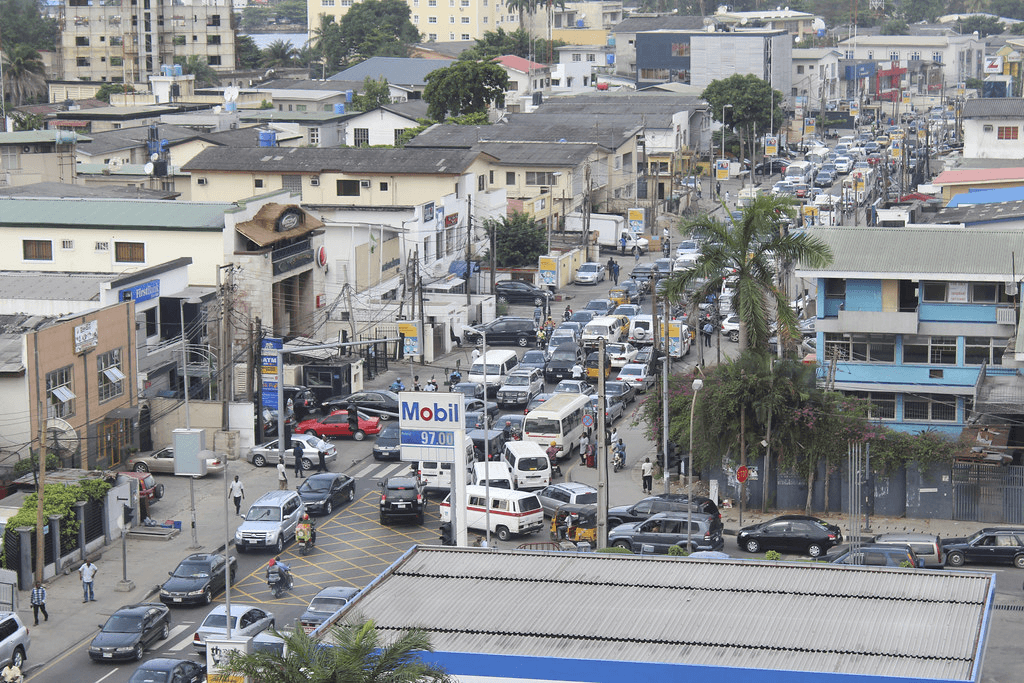
Most people looking to move to Ikoyi already know it is the most expensive real estate corridor in Nigeria. There is a general expectation that living here requires a significant financial commitment, but very few new residents understand the precise breakdown of where that money actually goes. The gap between the “prestige expectation” and the “operational reality” is often where budgets fail, as the secondary costs of living in Nigeria’s most affluent neighbourhood can sometimes rival the rent itself.
This guide provides a comprehensive breakdown of the cost of living in Ikoyi in 2026. We cover every major category from housing and service charges to school fees and grocery shopping, using realistic market figures sourced for the current year. Our goal is to ensure that your transition to Ikoyi is backed by hard data, allowing you to calculate a realistic monthly and annual number before you sign a tenancy agreement, rather than discovering the true cost of the lifestyle after you move in.
What makes Ikoyi’s cost structure distinctive is the “serviced” nature of its housing. Unlike other parts of Lagos where you might manage your own utilities, Ikoyi is dominated by multi-unit estates and luxury towers where service charges and diesel levies are mandatory. This creates a high “floor” for monthly expenses that remains constant regardless of your personal spending habits.

Browse verified apartments in Ikoyi with current pricing on Expert Listing:
How Much is rent in Ikoyi?
Rent is the dominant cost category in Ikoyi and serves as the anchor around which every other lifestyle expense is organised. Because of the area’s limited land supply and high demand from corporate executives and expatriates, prices remain the highest in the country.
| Property Type | Annual Rent Range | Monthly Equivalent |
| Self-contained / Studio | ₦8,000,000 – ₦12,000,000 | ₦666,666 – ₦1,000,000 |
| 1-Bedroom Flat | ₦12,000,000 – ₦18,000,000 | ₦1,000,000 – ₦1,500,000 |
| 2-Bedroom Flat | ₦18,000,000 – ₦28,000,000 | ₦1,500,000 – ₦2,333,333 |
| 3-Bedroom Flat | ₦25,000,000 – ₦45,000,000 | ₦2,083,333 – ₦3,750,000 |
| 4-Bedroom Duplex | ₦45,000,000 – ₦85,000,000 | ₦3,750,000 – ₦7,083,333 |
First, it is vital to remember the Lagos landlord convention of upfront payment. While the table shows a monthly equivalent for budgeting purposes, most Ikoyi landlords require 1 to 2 years of rent paid in advance. For a mid-range 3-bedroom flat priced at ₦30,000,000 per annum, a new tenant would need to provide at least ₦30,000,000 upfront, excluding additional legal and agency fees, which typically add another 10% to 20% to the initial move-in cost.
Second, the specific street and the quality of the building can cause rent to fluctuate wildly even within the same property category. For example, a 3-bedroom apartment in an older building on a quiet close in Second Avenue might go for ₦25,000,000, while a similar-sized unit in a modern, high-rise tower on Bourdillon Road or Alexander Road can easily exceed ₦50,000,000. Furnishing status also plays a role, with fully serviced, short-let style apartments commanding a 30% premium over unfurnished units.

Service Charges and Estate Levies
Service charges are the costs most frequently underestimated by new residents, yet they are a non-negotiable part of the Ikoyi lifestyle. These fees cover the essential infrastructure that keeps luxury buildings functional in the Lagos environment, including 24-hour security, water treatment, waste management, landscaping, elevator maintenance, and building administration. In premium towers, this also includes access to shared facilities like swimming pools, industrial-grade gyms, and concierge services.
| Building Type | Monthly Service Charge Range |
| Older standalone building (basic) | ₦150,000 – ₦300,000 |
| Mid-tier estate compound | ₦350,000 – ₦600,000 |
| Well-managed newer estate | ₦650,000 – ₦1,200,000 |
| Premium serviced building | ₦1,500,000 – ₦2,500,000+ |
To understand the impact on your budget, consider a worked example: a mid-tier 2-bedroom flat with an annual rent of ₦22,000,000 and a monthly service charge of ₦500,000. Your effective annual cost is actually ₦28,000,000. This higher figure is what you must use when comparing your budget against your annual income to ensure the lifestyle is sustainable.
We strongly advise all prospective tenants to confirm service charges in writing as part of the formal tenancy agreement. You should ask for a breakdown of what is included and whether the figure is fixed or subject to quarterly adjustments based on diesel prices or inflation.

Want to live in Ikoyi? Check our guide to renting an apartment in Ikoyi
Generator Fuel: The Hidden Utility Bill
In Ikoyi, the “hidden” cost of power is often the largest variable in a monthly budget. Some buildings bill generator fuel separately from the base service charge to account for the volatile price of diesel. Where this “pay-as-you-go” or “diesel levy” system applies, residents typically pay between ₦250,000 and ₦600,000 per month per apartment. This variance depends heavily on the size of the central generator, the number of units sharing the cost, and the specific daily usage hours agreed upon by the residents’ association.
In most modern, fully serviced luxury towers, the fuel cost is captured within a single, high service charge. However, in many of the mid-tier estates and older apartment blocks in Old Ikoyi and Parkview, you will be expected to pay your base service charge plus a fluctuating monthly diesel bill. This makes it essential to add these two figures together when calculating your total monthly housing commitment.
The exact practical question to ask any landlord or estate manager before signing is: “Is generator fuel included in the service charge, or is it billed separately based on consumption?” Follow this up by asking to see the actual invoices or the per-apartment cost from the most recent three billing months. This prevents “bill shock” during your first month of residency when the generator might be running more frequently due to grid instability.
Food and Groceries
Supermarket shopping in Ikoyi is convenient but comes at a premium. The area is home to upscale retailers like Hartleys Supermarket on Glover Road and L’Epicerie, alongside larger chains like Shoprite in nearby malls. For a single professional, weekly groceries typically range from ₦45,000 to ₦75,000. A couple can expect to spend between ₦85,000 and ₦130,000, while a family of four will likely see weekly bills between ₦180,000 and ₦280,000, depending on the volume of imported goods purchased.
For fresh produce and local staples, many residents head to the nearby Obalende Market or make the short trip to Sura Market. Buying fruit, vegetables, and meat from these “wet” markets offers a significant cost advantage over supermarkets. By sourcing fresh items locally, households can typically achieve savings of 25% to 35% on their total food budget compared to buying everything at high-end Ikoyi grocery stores.
Eating out is a central part of the Ikoyi social life, with a high concentration of dining options along Awolowo Road and within the luxury hotels like The Wheatbaker and Southern Sun. A mid-range meal for one person at a trendy bistro typically costs between ₦15,000 and ₦30,000. A premium fine-dining experience will range from ₦50,000 to ₦120,000 per person. A working professional who eats out three times a week for lunch and once on the weekend for dinner should budget approximately ₦250,000 to ₦350,000 per month for dining.
| Household Type | Cooking at Home Mostly | Mixed (some eating out) |
| Single professional | ₦180,000 – ₦250,000 | ₦350,000 – ₦500,000 |
| Couple | ₦320,000 – ₦450,000 | ₦600,000 – ₦850,000 |
| Family of four | ₦650,000 – ₦900,000 | ₦1,100,000 – ₦1,600,000 |

Transport
Managing a personal vehicle in Ikoyi involves higher costs for fuel and maintenance due to the nature of the traffic and the types of vehicles typically driven in the area. A resident with a modern SUV can expect monthly fuel costs of ₦120,000 to ₦200,000 for local commuting. When you add an amortised monthly maintenance buffer of ₦50,000 to ₦80,000, the total monthly running cost for a single vehicle ranges from ₦170,000 to ₦280,000.
Ride-hailing services like Uber and Bolt are highly active in Ikoyi. A one-way trip from Ikoyi to Victoria Island or the Lagos Island CBD typically costs between ₦3,500 and ₦7,000, depending on surge pricing. For a commuter working 5 days a week who uses ride-hailing for both legs of the journey, the monthly bill can easily reach ₦160,000 to ₦250,000. This is often more cost-effective than car ownership for those who live and work within the Ikoyi-VI axis.
Public transport is less common for Ikoyi residents, but the BRT system remains a viable option for those commuting towards the Mainland or deeper into the Island. The closest major BRT access points serve the Obalende and Marina corridors. A single journey is highly affordable, usually under ₦1,000, making it the most cost-effective option for Island-bound commuters, though it is rarely used by the primary demographic of Ikoyi residents.
| Commute Pattern | Monthly Transport Cost |
| Personal vehicle, daily Island commute | ₦180,000 – ₦280,000 |
| Ride-hailing, daily Island commute | ₦160,000 – ₦250,000 |
| BRT daily commuter | ₦40,000 – ₦60,000 |
| Mixed (drive some days, BRT others) | ₦110,000 – ₦180,000 |
| Work from home / minimal commute | ₦50,000 – ₦90,000 |

Utilities: Internet and Additional Power Costs
High-speed internet is a standard requirement for Ikoyi residents, with fibre-to-the-home (FTTH) being the preferred choice. Providers like FiberOne, Tizeti, and ipNX offer various plans in the area. A basic unlimited plan usually starts around ₦25,000 per month, while premium, high-bandwidth packages for heavy users or home offices can reach ₦65,000 per month.
Additional power costs often include maintenance for inverters or the purchase of solar panels to reduce reliance on expensive diesel generators. For those with existing inverter systems, a monthly top-up or maintenance buffer of ₦15,000 to ₦30,000 is prudent. In some older buildings without central power, you may also face separate diesel billing, which can add ₦200,000 or more to your monthly utilities if you run a private generator.
Water supply in Ikoyi is generally provided via private boreholes and industrial-grade treatment plants within each estate. The cost of running these plants is typically included in your monthly service charge. If you live in a standalone house without a service agreement, you will be responsible for the electricity to pump water and the chemical costs for treatment, which can average ₦30,000 per month.
Total utilities estimate: ₦70,000 – ₦150,000 per month, depending on building arrangement and consumption.
School Fees
School fees are often the second-largest cost after rent for families living in Ikoyi. The area hosts some of the most prestigious educational institutions in West Africa, offering both Nigerian and international curricula.
| School Tier | Termly Fees Range |
| Entry-level private primary | ₦800,000 – ₦1,500,000 per term |
| Mid-tier established private school | ₦1,800,000 – ₦3,000,000 per term |
| Premium private school (e.g. St. Saviour’s School) | ₦3,500,000 – ₦5,500,000 per term |
| International curriculum school (e.g. Corona School Ikoyi) | ₦4,000,000 – ₦7,500,000 per term |
Annual costs are calculated by multiplying the termly fee by three. For a child in a mid-tier school, the annual cost ranges from ₦5,400,000 to ₦9,000,000. For a family with two children in mid-tier schools, the total annual education budget would be approximately ₦10,800,000 to ₦18,000,000, which must be factored into the household’s annual cash flow alongside the upfront rent.

Household Help
Maintaining a household in Ikoyi almost always involves some form of domestic assistance. A live-in housekeeper or cook typically earns between ₦70,000 and ₦120,000 per month. It is important to note that “live-in” status requires providing accommodation, which is usually handled by the Boys’ Quarter (BQ) or staff room attached to most Ikoyi apartments and houses.
If you prefer a daily cleaner for part-time work, the cost is generally ₦40,000 to ₦65,000 per month, depending on the frequency of visits. These cleaners often travel from the Mainland or the outskirts of the Island, so their rates include a significant transport component.
A nanny or childminder commands a monthly salary of ₦80,000 to ₦150,000. This range varies based on the nanny’s experience, educational level, and whether they are expected to perform additional household duties or work extended hours during the week.
For those living in standalone houses rather than serviced estates, hiring a private security guard is common. This typically costs between ₦60,000 and ₦100,000 per month for a single guard from a registered security firm. For families with young children, the nanny cost is an essential budget line rather than a discretionary one.

Healthcare
Healthcare in Ikoyi is dominated by high-end private facilities. Most residents have employer-provided health insurance (HMO plans), but for those paying out-of-pocket, a decent individual plan with access to top-tier Lagos hospitals costs between ₦350,000 and ₦750,000 annually. Common HMOs serving the area include Reliance Health and AXA Mansard.
Out-of-pocket costs for a GP consultation at a reputable clinic like Iwosan Lagoon Hospitals typically range from ₦25,000 to ₦45,000. Specialist consultations for paediatrics or cardiology can range from ₦50,000 to ₦100,000 per visit. We recommend maintaining a monthly healthcare emergency fund of at least ₦50,000 for those without comprehensive insurance cover to handle minor illnesses and prescriptions.
Entertainment and Lifestyle
Staying active in Ikoyi usually involves a gym membership. Quality facilities like those at the Southern Sun or specialised fitness centres like Elite Box cost between ₦60,000 and ₦120,000 per month. Some high-end residents prefer the Ikoyi Club 1938, though this requires an initial entrance fee and annual dues.
Monthly costs for streaming services, including Netflix, Showmax, and Amazon Prime, combined with a DSTV premium subscription, average between ₦45,000 and ₦75,000. These are standard “fixed” lifestyle costs for the majority of households in the area.
Weekend dining and entertainment vary significantly by lifestyle. A single professional who enjoys occasional dining and a few social events should budget ₦150,000 per month. For someone with an active social life frequenting the bars and lounges in Old Ikoyi or Victoria Island, this figure can easily climb to ₦450,000 per month.
Personal care, including visits to high-end barbershops or salons such as those found on Awolowo Road, typically adds ₦40,000 to ₦80,000 to the monthly budget. This includes grooming, hair treatments, and occasional spa services.

Full Monthly Budget Summaries
Bringing all categories together, here are realistic monthly cost estimates for three common Ikoyi household profiles based on 2026 data.
Single professional in a 1-bedroom flat (Annual rent: ₦15,000,000)
| Category | Monthly Cost |
| Rent (monthly equivalent) | ₦1,250,000 |
| Service charges | ₦400,000 |
| Food (mixed cooking and eating out) | ₦425,000 |
| Transport (personal vehicle) | ₦230,000 |
| Internet and utilities | ₦90,000 |
| Entertainment and lifestyle | ₦200,000 |
| Healthcare buffer | ₦50,000 |
| Total | ₦2,645,000 |
Couple in a 2-bedroom flat (Annual rent: ₦24,000,000)
| Category | Monthly Cost |
| Rent (monthly equivalent) | ₦2,000,000 |
| Service charges | ₦650,000 |
| Food (mixed) | ₦725,000 |
| Transport (one vehicle) | ₦280,000 |
| Internet and utilities | ₦120,000 |
| Entertainment and lifestyle | ₦350,000 |
| Healthcare buffer | ₦75,000 |
| Total | ₦4,200,000 |
Family of four in a 3-bedroom flat (Annual rent: ₦35,000,000), two children in a mid-tier school
| Category | Monthly Cost |
| Rent (monthly equivalent) | ₦2,916,666 |
| Service charges | ₦900,000 |
| Food (family) | ₦1,350,000 |
| Transport (one vehicle) | ₦280,000 |
| School fees (two children, averaged monthly) | ₦1,200,000 |
| Housekeeper/nanny | ₦180,000 |
| Internet and utilities | ₦150,000 |
| Entertainment and lifestyle | ₦400,000 |
| Healthcare buffer | ₦100,000 |
| Total | ₦7,476,666 |
These are realistic middle-of-range estimates. Individual spending can vary significantly above and below these figures depending on the specific estate chosen and personal lifestyle preferences.
How Ikoyi Compares to Nearby Areas
For context, here are approximate all-in monthly costs for comparable household profiles in nearby areas:
| Area | Single Professional (1-bed) | Family of Four (3-bed) |
| Victoria Island | ₦2,100,000 – ₦2,800,000 | ₦5,500,000 – ₦7,500,000 |
| Ikoyi | ₦2,400,000 – ₦3,200,000 | ₦6,800,000 – ₦9,500,000 |
| Oniru | ₦1,400,000 – ₦1,900,000 | ₦3,800,000 – ₦5,200,000 |
| Lekki Phase 1 | ₦1,200,000 – ₦1,700,000 | ₦3,200,000 – ₦4,800,000 |
| Banana Island | ₦3,500,000 – ₦5,000,000 | ₦10,000,000 – ₦15,000,000+ |
Ikoyi generally represents about a 15% to 20% premium over Victoria Island, primarily due to the more residential and exclusive nature of the neighbourhood. Compared to cheaper neighbours like Oniru or Lekki Phase 1, Ikoyi can be nearly double the cost on an all-in monthly basis. Whether the premium is worth it depends on individual circumstances, such as proximity to work, the need for top-tier security, and the desire for the specific social prestige the area provides.
Ready to Plan Your Ikoyi Budget?
Moving to Ikoyi requires careful financial planning to ensure that the high upfront costs and monthly utility bills are manageable. Every listing on Expert Listing includes verified pricing, real-time availability, and precise location data, including flood-risk signals to help you make an informed decision.
Frequently Asked Questions
Is Ikoyi expensive compared to the rest of Lagos?
Yes, Ikoyi is consistently ranked as the most expensive residential area in Lagos and all of Nigeria. The combination of extremely high rents, which are often demanded two years in advance, and steep monthly service charges makes it significantly more costly than even other prime areas like Victoria Island or Lekki Phase 1. The price premium covers not just the location but the high-end infrastructure, security, and the prestige associated with the neighbourhood.
How much does it cost to live in Ikoyi per month?
For a single professional living in a standard 1-bedroom flat, a realistic all-in monthly budget starts at approximately ₦2.6 million. For a family of four in a 3-bedroom apartment with children in private schools, the monthly cost can easily average between ₦7 million and ₦9 million. These figures include the monthly equivalent of the annual rent, service charges, food, transport, and utilities.
What is the minimum salary to live comfortably in Ikoyi?
To live comfortably in Ikoyi without financial strain, a single professional should ideally earn a net monthly income of at least ₦4 million to ₦5 million. This allows for the high rent and service charges while leaving room for savings and a social life. For a family, the household income requirement is significantly higher, typically requiring a monthly net of ₦10 million or more to cover luxury housing and international schooling.
Are service charges mandatory in Ikoyi apartments?
In almost all multi-unit buildings and gated estates in Ikoyi, service charges are a mandatory part of the tenancy agreement. These fees are essential because they fund the 24/7 security and private power generation that the area is known for. Tenants who fail to pay these charges often face the disconnection of power and water services, as these are managed centrally by the estate or building association.
Which is more expensive: Ikoyi or Banana Island?
While Banana Island is technically a sub-section of Ikoyi, it is generally considered more expensive than “mainland” Ikoyi. Rents and service charges in Banana Island are often quoted in USD and represent the absolute ceiling of the Nigerian real estate market. While Old Ikoyi and Parkview are elite neighbourhoods, Banana Island remains the most expensive enclave due to its extreme security and exclusivity.
Can I find affordable food in Ikoyi?
While Ikoyi is home to many luxury supermarkets and high-end restaurants, “affordable” food is available if you shop at local markets like Obalende or Sura. These wet markets offer fresh produce, meat, and grains at prices that are 25% to 35% lower than the upscale grocery stores found on Glover or Awolowo Road. However, even “cheap” options in Ikoyi tend to be slightly more expensive than similar options on the Lagos Mainland due to the higher cost of doing business in the area.