Cost of Living in Omole Phase 1, Lagos (2026): Rent, Food, Transport & Utilities cost
Expert Listing
·
·
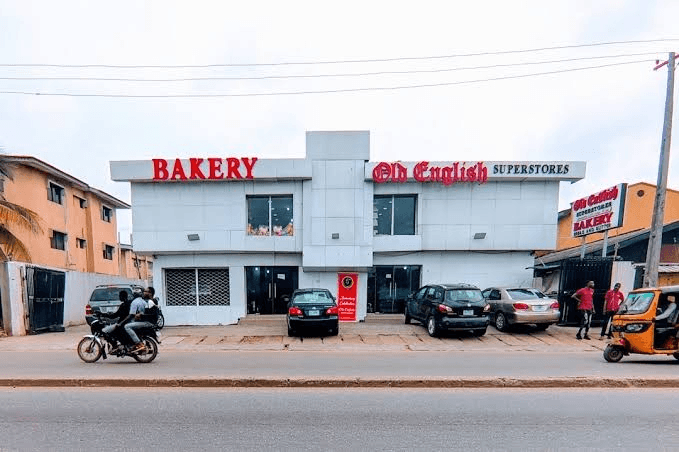
For anyone looking to find a sweet spot between the chaotic energy of mainland Lagos and the prestigious, secure serenity typically associated with the Island, Omole Phase 1 stands out as a premier destination. Nestled right on the edge of Ikeja, it has long been a sanctuary for wealthy families, upper-middle-class professionals, tech founders, and returnees. In 2026, it retained its status as one of the most organised, premium residential enclaves on the Mainland.
What makes Omole Phase 1 unique is its community-driven culture. Unlike newer, hyper-commercialised areas, Omole has aged gracefully into a heavily guarded, tree-lined neighbourhood where children still ride bicycles on paved streets, and residents actually walk for evening exercise. Many prospective residents eye the estate solely based on its headline annual rent figures, failing to account for the secondary, highly localised hidden expenses that make up an actual monthly budget here. The gap between what people expect to spend and what they actually spend can cause significant financial strain if you do not plan for it.
This comprehensive guide closes that gap by analysing every major cost category for an Omole Phase 1 resident in 2026, offering a realistic blueprint for your monthly expenses.
How Much is Rent in Omole Phase 1?
Rent in Omole Phase 1 is the dominant cost anchor around which your entire lifestyle will be organised. Because of its strict zoning laws and the high demand for residential space close to the Ikeja commercial zone, prices have climbed steadily.
Annual Rent & Monthly Equivalents (2026)
| Property Type | Annual Rent Range | Monthly Equivalent |
| Self-contained / Luxury Studio | ₦1,500,000 – ₦2,500,000 | ₦125,000 – ₦208,333 |
| 1-Bedroom Flat (Mini-Flat) | ₦2,500,000 – ₦4,000,000 | ₦208,333 – ₦333,333 |
| 2-Bedroom Flat / Apartment | ₦4,500,000 – ₦6,500,000 | ₦375,000 – ₦541,666 |
| 3-Bedroom Apartment / Townhouse | ₦6,500,000 – ₦10,000,000 | ₦541,666 – ₦833,333 |
| 4/5-Bedroom Semi-Detached Duplex | ₦11,000,000 – ₦18,000,000 | ₦916,666 – ₦1,500,000 |
Three important things to note before renting in Omole Phase 1
While it is helpful to look at the monthly equivalents, Lagos landlords almost universally require payment of one to two years upfront. For a standard 2-bedroom flat priced at ₦5.5 million, you must drop that full amount as a lump sum before getting the keys.
Omole Phase 1 has a highly active, zero-nonsense Resident Association. Commercial activities are fiercely regulated. If you are a remote worker or entrepreneur who intends to have clients visit your space frequently, you may face friction at the security gates. Always ensure your tenancy lease aligns with your lifestyle or business realities.
The closer a property is to the main entry gates, especially the side closest to Agidingbi/Ikeja, the higher the premium. Streets deep within the estate or closer to the exit points near Ojodu often see a slight dip in rental prices, though they come with slightly longer commute times to the main expressways.
Service Charges and Estate Levies in Omole Phase 1

The service charge is where many new Omole residents underestimate their monthly cash flow. Because Omole Phase 1 operates as a highly functional, secure mini-city, keeping it running requires collective, mandatory contributions.
In a standard apartment block or gated mini-estate within Omole Phase 1, the service charge covers round-the-clock estate security patrols, automated access control at the main gates, centralised waste disposal managed in partnership with LAWMA, cleaning and lighting of common areas, water treatment and pumping, and estate drainage maintenance.
A realistic monthly estimate of service charges and estate levies.
| Building Type | Monthly Service Charge Range | Annual Added Cost |
| Older Standalone / Shared Compound | ₦20,000 – ₦45,000 | ₦240,000 – ₦540,000 |
| Mid-Tier Multi-Family Apartment Block | ₦50,000 – ₦90,000 | ₦600,000 – ₦1,080,000 |
| Premium Serviced Court (With Pool/Gym) | ₦100,000 – ₦250,000 | ₦1,200,000 – ₦3,000,000 |
For an individual renting a mid-tier 2-bedroom apartment with a headline rent of ₦5.5 million, an ₦80,000 monthly service charge adds nearly ₦1 million to your annual accommodation bill. This brings your effective annual housing cost to ₦6.46 million. It is crucial to have the landlord or property manager clarify exactly what is included in this charge and get it in writing before making a financial commitment.
Generator Fuel: The Hidden Utility Bill
In 2026, despite slight improvements in localised power networks, alternative power sourcing remains an unavoidable line item in a Lagos budget. In Omole Phase 1, the power situation can be a bit of a mixed bag. While the estate is generally hooked up to relatively stable grids compared to the wider Lagos Mainland, seasonal grid collapses, maintenance downtime, and transformer faults mean running a backup power source is a necessity.
Additional Power Cost: In older standalone houses or unserviced blocks, residents manage their own generators. With diesel and petrol prices remaining high in 2026, running a medium-sized 5kVA to 10kVA petrol generator for an average of 4 to 5 hours a night can easily consume between ₦50,000 and ₦120,000 per month in fuel alone, completely independent of routine servicing and oil changes.
In modern, premium serviced complexes, power is centralised. The management runs a large industrial diesel generator during specified power windows, typically 7:00 PM to 7:00 AM, and specific hours over weekends. Here, fuel is either charged as a flat monthly levy or tracked via a secondary smart prepay meter dedicated solely to generator power. In these setups, expect to pay a premium rate per kilowatt-hour, averaging ₦70,000 to ₦150,000 monthly for a multi-bedroom apartment, depending heavily on your reliance on air conditioning.
To mitigate this hidden bill, a massive percentage of Omole residents have transitioned to solar inverter setups as their primary backup, using generators only for heavy loads such as water pumping.
Food and Groceries in Omole Phase 1
Food costs within and immediately around Omole Phase 1 reflect the affluent demographic of the area. Groceries will cost you more here than they would in the depths of Yaba or Surulere, but the convenience and quality of options are top-tier.
Shopping and Dining Out Ecosystem
Supermarket Shopping: For packaged groceries, toiletries, and imported goods, residents are spoiled for choice. From the immediate retail plazas lining the estate’s main arteries to major supermarkets like Hubmart, Prince Ebeano, and Spar located just minutes away in Ikeja and Alausa, convenience is high. A single professional doing a comprehensive weekly run for premium items can expect to spend ₦20,000 to ₦35,000. For large families, this number scales up rapidly.
Local Market: For those looking to optimise their food budgets, relying entirely on estate mini-marts is a financial mistake. Savvy residents send house help or visit the nearby Ojodu-Berger Market, Isheri Market, or make bulk-buying trips to the Mile 12 Market. Sourcing fresh fruits, vegetables, tubers, and proteins from these local wet markets instead of high-end supermarkets cuts monthly grocery bills by roughly 30% to 40%.
Eating Out: Omole Phase 1 sits right next to the buzzing culinary scene of Ikeja GRA and Allen Avenue. A casual meal at a mid-range restaurant or café along the outskirts runs between ₦6,000 and ₦15,000 per head. For fine dining, upscale lounges, or weekend grills in Ikeja GRA, expect bills ranging from ₦25,000 to ₦60,000 per person, making lifestyle dining a major variable for socialites.
Monthly Food Budget Estimates (2026),
| Household Type | Cooking at Home Mostly | Mixed (Home Cooking + Dining Out) |
| Single Professional | ₦60,000 – ₦90,000 | ₦120,000 – ₦190,000 |
| Couple | ₦100,000 – ₦150,000 | ₦180,000 – ₦280,000 |
| Family of Three | ₦140,000 – ₦200,000 | ₦240,000 – ₦380,000 |
| Family of Four | ₦180,000 – ₦260,000 | ₦300,000 – ₦500,000 |
Transport: Navigating the Mainland and Beyond
Omole Phase 1 enjoys brilliant geographic positioning. It sits perfectly juxtaposed to access the Lagos-Ibadan Expressway, the Lagos Secretariat in Alausa, and the commercial nerve centres of Ikeja. However, daily commuting costs depend heavily on your transport choices.
Personal Vehicle Costs: If you drive, the proximity to central Ikeja keeps your local fuel consumption reasonable. However, the stop-and-go traffic along the daily commute routes, especially the notorious morning bottlenecks around Berger or outbound traffic toward the Third Mainland Bridge, takes a toll. Monthly fuel for a standard 4-cylinder sedan or compact SUV averages ₦60,000 to ₦110,000, with monthly maintenance adding another ₦35,000 to ₦65,000.
Ride-Hailing (Uber, Bolt, & Shuttlers): Ride-hailing platforms are highly dense around Omole. A one-way trip to Ikeja GRA or Alausa runs around ₦3,000 to ₦6,000. If you are commuting from Omole to Lagos Island or Lekki for work five days a week via Uber, your monthly bill can easily skyrocket to ₦180,000 – ₦320,000 due to surge pricing and toll fares. For corporate 9-to-5ers, shared executive bus apps like Shuttlers have become the gold standard, offering air-conditioned, structured transit to the Island for a predictable ₦45,000 to ₦75,000 monthly.
BRT & Public Transport: The main terminal at Ojodu-Berger provides direct access to the Lagos BRT corridor. Taking a BRT bus from Berger down to the Mainland hubs or the Island is incredibly affordable, costing roughly ₦600 to ₦1,200 per trip. While affordable, the walk to the estate gates to catch transit means it is less frequently used by core Omole residents, though it is the primary mode for domestic staff.
Monthly Transport Budget Estimates,
| Commute Pattern | Monthly Transport Cost |
| Work From Home/Minimal Local Commute | ₦25,000 – ₦55,000 |
| Daily Ikeja/Alausa Commute (Personal Car) | ₦70,000 – ₦130,000 |
| Daily Island Commute (Shared Executive/ Shuttlers) | ₦50,000 – ₦85,000 |
| Daily Island Commute (Ride-Hailing Exclusively) | ₦200,000 – ₦350,000 |
| Mixed (Driving + Public Transport/BRT) | ₦45,000 – ₦90,000 |
Utilities: Internet & Additional Power Cost
In 2026, premium internet and auxiliary utilities are the lifeblood of the modern professional household.
Internet: Omole Phase 1 has exceptional fibre-optic internet infrastructure, with companies like FiberOne, ipNX, and Liquid Intelligent Technologies offering direct fibre lines into most residential streets. A standard home fibre plan offering unlimited data with speeds suitable for continuous Zoom calls and streaming ranges from ₦20,000 to ₦35,000 per month. Remote tech workers, content creators, or large families who require maximum bandwidth or utilise satellite options like Starlink should budget between ₦57,000 and ₦159,000 monthly to keep things running seamlessly.
Additional Power Cost: Expenses come in the form of your prepaid electricity bills via the Ikeja Electricity Distribution Company (IKEDC). Most of Omole Phase 1 falls under high-priority tariff Band A or Band B, which means the grid power is relatively consistent but expensive per kilowatt-hour. For a standard 2-bedroom or 3-bedroom apartment, keeping appliances running efficiently, your prepaid utility card top-up will average ₦25,000 to ₦50,000 monthly.
Water supply within the estate is largely decentralised. Individual properties run their own boreholes and treatment systems. The electricity to pump this water is captured in your prepaid power bill, but chemical maintenance for the water treatment tanks adds ₦5,000 to ₦15,000 monthly to ensure it remains clean and safe.
How Much are School Fees in Omole Phase 1?

For families, Omole Phase 1 and its immediate surroundings represent an educational goldmine. The estate’s demographic profile has attracted top-tier educational institutions that offer both Nigerian and international curricula. Because parents in this zone heavily prioritise premium early childhood and secondary education, school fees are a massive budget pillar.
Tuition varies based on the tier of the school, its location inside the secure estate gates vs. immediately outside the periphery, and available facilities like swimming pools, interactive tech labs, and bus services.
Private Primary & Secondary Fees (Per Term),
| School Tier | Termly Fees Range | Expected Annual Total (3 Terms) |
| Entry-Level Private School | ₦150,000 – ₦350,000 | ₦450,000 – ₦1,050,000 |
| Mid-Tier Established Private School | ₦400,000 – ₦800,000 | ₦1,200,000 – ₦2,400,000 |
| Premium International / British Curriculum | ₦900,000 – ₦2,000,000+ | ₦2,700,000 – ₦6,000,000+ |
With three school terms in an academic year, a family with two kids in a reputable mid-tier private school must be ready to shell out between ₦2.4 million and ₦4.8 million annually. This range generally excludes mandatory add-ons such as school bus routes (which run ₦50,000 to ₦100,000 per term per child due to fuel costs), uniforms, textbooks, and extracurricular club levies.
Household Help in Omole Phase 1
Due to the busy lifestyle of most Omole residents. many of whom endure long commutes or run demanding businesses, outsourcing domestic tasks is a standard budget line item rather than an optional luxury.
Live-in Housekeeper/Cook: A full-time, live-in domestic worker who handles cooking and deep cleaning generally costs ₦50,000 to ₦90,000 per month. Because they reside on-property, typically in a detached Boys’ Quarter or a designated guest room, you are also responsible for their feeding, basic medical care, and toiletries.
Daily/Part-Time Cleaner: For single professionals or couples who prefer privacy, hiring a mobile cleaning service or a trusted independent cleaner to come in 2 to 3 times a week costs between ₦25,000 and ₦50,000 monthly.
Nanny or Childminder: A dedicated nanny tasked with infant care or toddlers runs ₦55,000 to ₦100,000 per month, with the rate scaling up if the individual possesses specialised early education or nursing certifications.
Private Security Guard: While the estate gates provide robust security, residents living in large, standalone detached duplexes often hire a personal security guard for night watch or gate management. This costs between ₦45,000 and ₦80,000 monthly, usually outsourced via registered private security firms.
Healthcare in Omole Phase 1
Healthcare access in Omole Phase 1 is highly premium. The estate and its immediate surroundings feature a dense collection of private clinics, specialised pediatric centres, and diagnostic labs, alongside proximity to top medical centres in Ikeja GRA.
Health Insurance (HMOs): For working professionals with employer-sponsored health insurance, out-of-pocket exposure is minimal. However, for entrepreneurs, remote workers, or families buying retail health insurance, a solid, dependable individual HMO plan from reputable providers runs ₦60,000 to ₦180,000 per year. Comprehensive family plans that cover private hospital admissions, immunisations, and specialist consultations across top-tier mainland hospitals average ₦250,000 to ₦550,000 annually.
Out-of-Pocket Healthcare: A routine general practitioner consultation at a recognised private hospital within the Omole-Ikeja axis ranges from ₦7,000 to ₦20,000 per visit, completely excluding diagnostic laboratory tests or pharmacy prescriptions. Treating a standard case of malaria or a corporate fatigue episode at a private ward easily translates to a ₦25,000 to ₦60,000 bill per medical incident. Having a dedicated monthly healthcare emergency buffer of at least ₦25,000 is highly advisable for individuals and families.
Entertainment and Lifestyle
Living in Omole Phase 1 puts you at the absolute centre of Mainland entertainment. You are minutes away from the vibrant social scenes of Ikeja GRA, Allen Avenue, and the shopping complexes of Alausa, which keep lifestyle choices diverse but potentially expensive.
Gym and Fitness Memberships: Staying fit in a premium environment costs money. and structured yoga or spin classes.
Streaming and Digital Subscriptions: Keeping the home entertained via localised data bundles and streaming apps (combining Netflix, Showmax for local football/series, Prime Video, YouTube Premium, and Spotify) typically requires a monthly budget allocation of ₦8,000 to ₦20,000.
Weekend Leisure and Dining: Socialising in this zone is highly seamless. A typical weekend routine involving drinks at an upscale lounge, catching a movie at the Ikeja City Mall cinema, or a Sunday family lunch can easily cost a single resident ₦30,000 to ₦70,000 monthly if managed conservatively. For those with active night-lives or a penchant for premium clubbing in Ikeja, this budget can easily swallow over ₦150,000 monthly.
Personal Care and Grooming: A visit to a modern barbershop within the estate corridor for a haircut, wash, and shave costs ₦3,500 to ₦8,000. Premium female hair salons, nail studios, and spa treatments run anywhere from ₦15,000 to ₦75,000 per session, depending on preferences.
Full Monthly Budget Summaries
To provide a complete financial picture, let’s synthesise all these individual categories into realistic monthly operational budgets for three distinct household profiles living in Omole Phase 1 in 2026.
A comprehensive cost breakdown by profile:
| Category | Single Professional (1-Bed Flat @ ₦3.2M/yr) | Couple (2-Bed Apartment @ ₦5.5M/yr) | Family of Four (3-Bed Flat @ ₦8M/yr + 2 Mid-Tier Kids) |
| Rent (Monthly Equiv.) | ₦266,666 | ₦458,333 | ₦666,666 |
| Service Charges / Levies | ₦55,000 | ₦80,000 | ₦100,000 |
| Generator Fuel (Backup) | ₦60,000 | ₦80,000 | ₦110,000 |
| Food & Groceries (Mixed) | ₦130,000 | ₦220,000 | ₦360,000 |
| Transport (Pattern-based) | ₦65,000 | ₦90,000 | ₦120,000 |
| Prepaid Power & Internet | ₦50,000 | ₦65,000 | ₦85,000 |
| School Fees (Amortised) | — | — | ₦333,333 |
| Domestic Staff / Help | ₦30,000 (Part-time) | ₦60,000 (Live-in) | ₦120,000 (Nanny + Maid) |
| Entertainment & Lifestyle | ₦50,000 | ₦85,000 | ₦100,000 |
| Healthcare Buffer | ₦20,000 | ₦30,000 | ₦50,000 |
| Total Monthly Target | ₦726,666 | ₦1,168,333 | ₦2,445,000 |
How Omole Phase 1 Compares to Nearby Places

When evaluating Omole Phase 1, it helps to look at how its cost-to-value ratio stacks up against neighbouring areas on the Mainland and Island corridors.
Omole Phase 1 vs. Ikeja GRA: Ikeja GRA remains the absolute peak of Mainland luxury. Renting a 3-bedroom apartment in Ikeja GRA can easily cost 1.5x to 2x more than in Omole Phase 1, with annual rents starting around ₦12 million to ₦18 million. Omole offers a highly comparable level of security and prestige for a significantly lighter financial lift.
Omole Phase 1 vs. Omole Phase 2: Despite sharing a name, Phase 2 sits further down toward the Isheri/Magodo axis. Phase 2 is slightly more accessible price-wise, with rents running roughly 20% lower. However, Phase 1 commands a premium due to its far superior drainage infrastructure and more immediate, seamless road connectivity into central Ikeja without navigating the frequent traffic gridlocks of the Secretariat/Berger channels.
Omole Phase 1 vs. Magodo Phase 2: Magodo Phase 2 is Omole’s primary residential rival on the Mainland. Price points between the two are fiercely competitive, almost running neck-and-neck. Magodo boasts an incredibly robust social, lounge, and restaurant scene right inside and outside its gates, while Omole Phase 1 leans more toward quiet, heavily residential exclusivity and tighter estate gate security.
Omole Phase 1 vs. Lekki Phase 1: Compared to the Island’s premier professional hub, Omole Phase 1 sits at roughly 75% of the all-in operational cost of Lekki Phase 1. While headline rents for modern flats are starting to converge, Omole residents save significantly on estate service charges, food costs, and localised transport levies, making it a highly sustainable alternative for wealthy mainlanders.
Ready to Plan Your Omole Phase 1 Budget?
Finding a home that fits your precise budget profile inside a premier estate requires data transparency. Every property listing on Expert Listing includes fully verified pricing, real-time vacant availability, and precise block location data—including critical terrain and flood-risk signals to safeguard your investment.
Browse current apartments in Omole Phase 1 and see what your budget actually buys you today.
Frequently Asked Questions
Is Omole Phase 1 secure and safe for families?
Omole Phase 1 is widely regarded as one of the safest residential zones in Lagos. The estate features guarded entry and exit gates that require verified resident access codes or rigorous security clearance calls for visitors. Armed security guards and neighbourhood estate association patrols run 24/7, making it exceptionally safe for walks, outdoor children’s activities, and late-night returns.
Does Omole Phase 1 experience flooding during the rainy season?
Unlike several low-lying areas on the Island or specific parts of the Mainland near major canal systems, Omole Phase 1 features an incredibly solid, naturally elevated topography coupled with a well-planned, deeply channelled drainage network. Structural flash flooding on major streets is virtually non-existent, though checking specific property elevations via Expert Listing’s built-in flood risk tools is always recommended.
What is the minimum monthly income required to live comfortably in Omole Phase 1?
For a single professional renting a modest 1-bedroom flat or luxury studio, a sustainable monthly take-home income should sit at a minimum floor of ₦800,000 to ₦1,000,000 to comfortably handle rent, utilities, and lifestyle spending. For a family of four with children in standard private schools, a total household monthly net income of ₦2.5 million to ₦3.5 million is a realistic baseline to maintain a comfortable, stress-free lifestyle within the estate.