How to Find an Apartment in Ikota, Lagos (2026)
Expert Listing
·
·
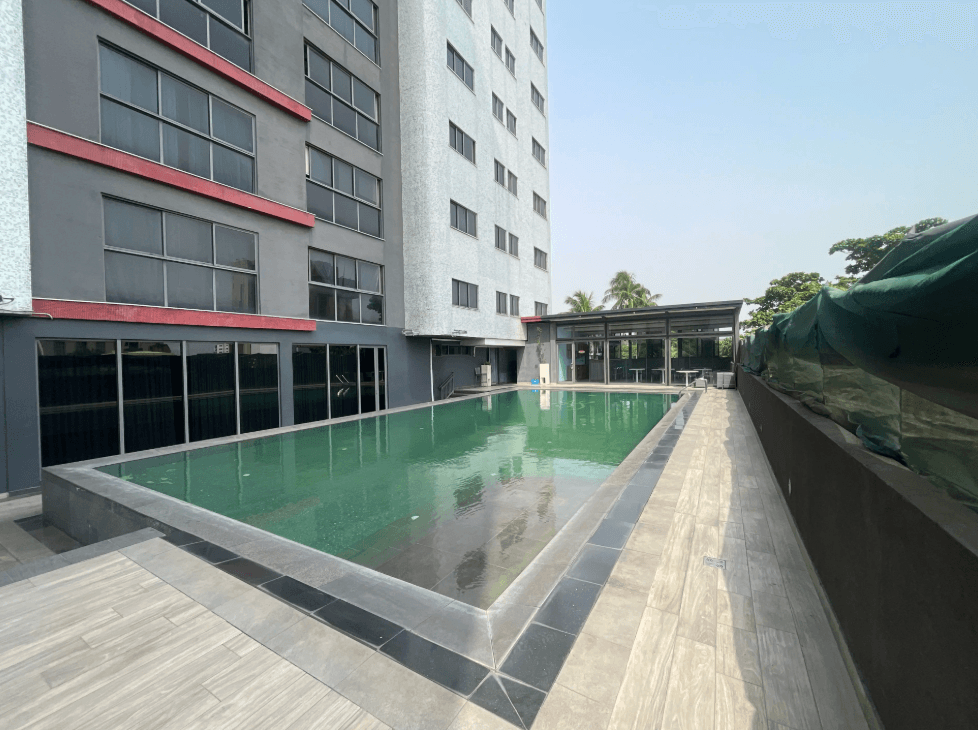
Finding an apartment in Ikota requires a strategy that differs significantly from the broader Lekki rental market. While Ikota is often grouped with its more expensive neighbours, the local market is defined by a high number of gated estates and a “middle-class squeeze,” where demand for quality 1 and 2-bedroom units far outstrips the current supply.
You will encounter a market that moves at a frantic pace; a well-priced apartment in a secure estate like Ikota Villa or MegaMound often stays on the market for less than forty-eight hours.
The challenge is not just finding a listing, but navigating the aggressive behavior of local “briefcase agents” who may advertise properties that are already let just to secure your contact details.
For the unprepared renter, this results in wasted inspection fees and the frustration of missing out on prime units; for the prepared renter, Ikota offers some of the best value-for-money modern housing on the Lekki axis.
This guide is designed to serve as your tactical manual for navigating the Ikota rental landscape in 2026. You will learn how the local market functions, which specific estates offer the best infrastructure, and how to verify building quality in an area known for rapid, sometimes questionable, construction.
We cover everything from the hidden costs of estate service charges to the specific flood-risk zones you must avoid.
By following this roadmap, you will be able to identify genuine opportunities, avoid common Lagos rental traps, and position yourself as a credible tenant who can close a deal before the competition.
If you want to browse verified, real-time listings while you read, start here: Verified apartments for rent in Ikota on Expert Listing.

Understand the Market Before You Start Looking
The Ikota rental market in 2026 occupies a strategic “sweet spot” in the Lagos mid-to-high-end residential tier. It is primarily a destination for upwardly mobile professionals and young families who find the prices in Lekki Phase 1 or Ikate prohibitive but still require the security and prestige of a gated community.
You are entering a market where demand is relentlessly high, driven by the area’s proximity to the VGC (Victoria Garden City) hub and the commercial expansions in Chevron and Orchids.
Unlike more established areas, Ikota is characterised by “cluster developments”, small pockets of mini-estates and terraces that have replaced older bungalows, creating a dense but modern residential profile.
Supply in Ikota is structurally constrained by the lack of large, undeveloped tracts of land, meaning most new inventory comes from the redevelopment of existing plots into high-density blocks.
This creates a competitive environment where corporate tenants and tech professionals, who often have housing allowances ready for immediate disbursement, set the pace.
You will find that the premium Ikota commands is based on its gated estate culture; however, this same prestige creates an opening for misrepresentation.
Poorly prepared renters often pay high-end prices for “new” buildings that suffer from poor drainage or substandard finishing.
Without a clear understanding of which estates have functional management, you risk paying for a lifestyle that the building’s infrastructure cannot actually support.
Set Your Budget Including All Costs
The headline rent is only part of what you will pay in Ikota. You must account for the fact that Ikota is almost entirely composed of serviced estates, meaning your monthly or annual outgoings will be significantly higher than the base rent.
In 2025 and 2026, landlords in this area have increasingly shifted toward “all-in” service models to attract corporate tenants, but for most residential units, you will still be responsible for a variety of levies.
Service charges in Ikota are particularly volatile because they often include a “power component”, a flat fee or a per-kilowatt charge for generator backup during grid outages.
You should also expect a caution deposit that is strictly enforced, as landlords here are increasingly wary of the high maintenance costs associated with modern fittings.
The financial breakdown for a standard apartment in Ikota for 2026 typically follows this structure:
- Annual rent: ₦3,500,000 to ₦4,500,000 for a modern 2-bedroom apartment.
- Service charges: add 25% to 35% of the annual rent, covering security, waste, and common area maintenance.
- Agency fee: 10% of annual rent, one time.
- Legal fees: typically ₦200,000 to ₦400,000 depending on the property value.
- Caution deposit: 10% to 20% of the annual rent, refundable if the property is returned in good condition.
- Total first-year outlay: approximately 1.5 to 1.7 times the annual rent figure.
Do this calculation before you begin. It will save you from falling in love with an apartment that turns out to be outside your actual budget once all costs are accounted for.
Not sure about Ikota? Read our area guide first.
Know the Zones Within Ikota
You must recognize that Ikota is not a monolith; the residential experience changes drastically based on which side of the Lekki-Epe Expressway you choose.
Knowing your target zone before you start viewing saves time and prevents the disappointment of visiting a property that lacks the specific infrastructure you require.
The area is divided into several distinct corridors and estates, each with its own price point and character.

Ikota Villa Estate is the most prominent residential hub in the area, situated on the right side when heading toward Ajah. It is characterized by a high density of newer terraces and semi-detached houses, making it the top choice for young professionals. It occupies a mid-to-high price position and offers a busy, urban feel with many internal businesses and schools. It suits renters who value a short commute to the expressway but can tolerate the occasional noise and traffic congestion within the estate’s internal roads.
Mega Mound (Lekki County Homes) represents the premium tier of the Ikota market. This is a strictly residential, highly organised gated community with wide paved roads and superior security protocols. The price position here is at the top of the Ikota range, often rivalling prices in parts of Chevron. It suits families and high-earning individuals who prioritise a quiet, spacious environment and a high level of aesthetic uniformity in the surrounding buildings.
The Ikota Shopping Complex Corridor consists of the residential pockets located behind and around the major commercial hubs. This zone is more mixed-use and tends to offer the most accessible price points in the area. You will find older stock mixed with newly renovated apartments here. It suits budget-conscious renters who need to be within walking distance of public transport and local markets, though the security is generally less centralised than in the gated estates.
Ikota Resettlement Scheme is a sprawling zone that has seen massive private development over the last few years. It offers a more varied residential character, ranging from high-end blocks to more modest traditional buildings. The price position is mid-range, and it provides a more authentic “neighbourhood” feel than the sterile gated estates. It suits renters who want more space for their money and are willing to navigate unpaved secondary roads in exchange for lower service charges.
You should decide on your target zone before viewing; specificity saves time and prevents agents from redirecting you to less suitable options that may be easier for them to close.
Decide on Your Must-Haves Before You View
Fixing your non-negotiables before you begin your physical search prevents you from making emotional decisions under the pressure of a live viewing. In the fast-moving Ikota market, you will often feel rushed to “pay now or lose it,” but compromising on core infrastructure will lead to significant costs later in the year.

Generator backup. What matters in Ikota is management quality, not just the presence of a generator. You must ask about the daily uptime schedule, as most estates now operate on a 12-hour or 18-hour cycle rather than 24-hour power. Confirm the fuel billing structure, whether it is a flat monthly levy or metered by consumption. A well-managed building will have a visible maintenance log and a backup unit, whereas a poorly managed one will show signs of “patching” like leaking oil or makeshift wiring around the generator house.
Water supply. The standard for a quality building in Ikota is a centralised borehole system equipped with an industrial-grade treatment plant. You should look for clear, odourless water and ask specifically about the frequency of filter changes. In this area, untreated water can be high in iron or salinity, which ruins appliances and bathroom fixtures. A simple “we have a borehole” is not an adequate long-term solution; you need to see the treatment tanks.
Security. The access control standard in Ikota should involve a double-layered approach: estate-level gate security and building-specific guards. Ask whether the estate uses an electronic visitor management system or manual logs. You should also confirm if the building has 24-hour coverage and CCTV in common areas. In this market, security quality is directly correlated with the service charge; if the fee is suspiciously low, the security is likely inadequate.
Parking. Designated parking is a genuine friction point in Ikota due to the high density of terrace developments. You must confirm that your unit has at least two dedicated slots that are not “blocked” by other tenants. Before committing, visit the property in the evening when most residents are home to see the actual parking layout. If you have to negotiate for a slot every day, the apartment will quickly become a source of stress.
Furnishing status. Furnished apartments in Ikota typically command a premium of 40% to 60% over unfurnished units. You must confirm exactly what is included, some “furnished” units only include white goods like ACs and fridges, while others are fully “plug-and-play.” These suit short-term expatriate stays or corporate housing needs, but for a long-term resident, the high markup often exceeds the cost of buying your own furniture over a two-year period.
Lease length and renewal terms. You should be aware that 1-year leases are the norm in Ikota, but some landlords may push for 2 years for newly completed buildings. Look for escalation provisions in the contract that might allow the landlord to hike the rent by a fixed %age after the first year. Requesting the proposed tenancy agreement at the viewing stage allows you to check for subletting restrictions or unreasonable modification rules before you commit financially.
How to Search Without Wasting Time
The biggest time-waster in the Ikota rental market is “ghost inventory”- listings that are kept online by agents long after they are rented to attract new leads.
Because Ikota is a high-demand zone, an apartment that was available on Monday is often gone by Wednesday.
If you rely on generic classified sites, you will spend most of your time calling agents who will tell you the unit is “just gone” but they have “something similar” (usually of lower quality) nearby.
You should:
Use a platform that verifies real-time availability. Expert Listing is the right tool for the Ikota market because every listing is physically inspected before going live and is removed the moment a deposit is placed. This ensures that the inventory you see reflects what is actually available, saving you from the “bait-and-switch” tactics common in the area. You can see the actual condition of the property and the surrounding street through verified media, which is essential in an area where building quality varies so wildly from plot to plot.
Be specific in your search parameters. In the Ikota market, the difference between a functional home and a problematic one is often just one street or one specific feature, like a higher ground floor. You should search by specific zone (e.g., Mega Mound vs. Ikota Villa), price range, and must-have features like “treated water” or “24-hour security.” The more specific your search, the less time you will waste on viewings that were never going to meet your needs.
Move quickly when you find a serious option. In Ikota, the realistic timeline from viewing to commitment is often less than 24 hours for correctly priced, high-quality units. If you find a property that checks all your non-negotiable boxes, you should be prepared to initiate the verification process immediately. Delaying by even a day to “think it over” usually results in losing the property to a corporate tenant or a more decisive renter.
Do not rely on a single agent. Agents in the Ikota market typically have access to a portion of available stock, not all of it. Using a verified listings platform like Expert Listing alongside professional agent relationships gives you broader coverage and ensures you are seeing the best of what the market has to offer, not just what a single individual has in their portfolio.
What to Check During a Viewing
A viewing in this market is not a formality. It is due diligence. Use the time deliberately to look past the fresh paint and staging. Because many Ikota developments are built quickly for the rental market, you must be your own inspector to ensure you aren’t moving into a “lipstick on a pig” scenario where structural issues are hidden behind aesthetic finishes.
Check the building’s physical condition. Look closely at the common areas, corridors, and the car park. These areas are often the first to show signs of neglect if the facility management is poor. If the lobby is dusty, the lift is frequently out of service, or the car park has standing water, it is a clear indicator that your service charge will not be used effectively. These areas reveal the landlord’s true commitment to maintenance more than the inside of the apartment itself.
Test the generator. Do not take the agent’s word for power availability. Ask to see the generator room and, if possible, have them turn it on. A well-maintained generator should start without excessive smoke and run with a steady hum. If the generator room is filled with discarded parts and oil spills, it tells you that the power supply will be unreliable. You should also ask to see the diesel storage capacity to understand how the building handles long-term grid failures.
Check water pressure and quality. Run the taps in the kitchen and all bathrooms simultaneously to check for pressure drops. Look for any brownish tint in the water or a salty smell, which indicates a failing treatment system. Ask the current residents or the facility manager about the borehole depth and the frequency of water testing. Red flags like low pressure or poor quality during a viewing will almost certainly not improve after you move in.
Assess flood risk. Assessing flood risk during a dry-season viewing is critical in Ikota. Look at the building’s ground-floor level relative to the street; properties that are elevated by at least three to four feet are generally safer. Look for watermarks on the exterior walls of the building or the fences of neighbouring properties. You should also check the drainage channels on the street to see if they are clear or blocked with debris. Expert Listing provides listing-level flood-risk data to help you make this assessment objectively.
Review the lease terms before you leave. You should request to see the standard tenancy agreement while you are still at the property. Review the service charge structure to ensure it is transparent and not an “open-ended” fee that can be increased without notice. Check the renewal terms and the notice periods required for moving out. Understanding these legal constraints at the viewing stage allows you to walk away if the terms are overly lopsided in favor of the landlord.
Alternatively, you can request a snagging service. Let professionals help you get a quality inspection before you move in.
Common Mistakes That Cost Ikota Renters Money
Paying for the address rather than the actual apartment quality. Many renters in Ikota are so desperate to live in a prestigious estate like Mega Mound that they accept subpar apartments with leaking roofs or poor ventilation just to have the address. You will regret this within three months when the “prestige” wears off and you are left dealing with constant maintenance issues that the landlord refuses to fix.
Skipping or rushing document verification. In the rush to secure a popular unit, many renters pay before verifying the landlord’s identity or the agent’s authority to let the property. You must see the original Title documents or a Letter of Authority and verify the agent’s credentials. Rushing this step is the primary way renters in Ikota lose millions of Naira to sophisticated rental scams involving multiple “landlords.”
Committing before financing is arranged. The Ikota market moves too fast for you to “book” a place while you wait for a loan or a salary bonus. If you show interest but cannot transfer the total package within 24 to 48 hours, the agent will move on to the next person. You should only start viewing when your total first-year outlay is liquid and ready for transfer.
Ignoring service charges when comparing headline rents. A ₦3.5 million apartment with a ₦1.5 million service charge is more expensive than a ₦4 million apartment with a ₦500k service charge. You must always calculate the “total cost of occupancy” rather than just the base rent. Ignoring the service charge is a mistake that can break your monthly budget and lead to your power or water being cut off for non-payment.
Accepting verbal assurances on flooding or building conditions without verification. Agents will almost always tell you an area “doesn’t flood” or that a crack in the wall is “just the building settling.” You should never accept these claims without independent verification, such as checking the street’s drainage or asking a neighbor. Verbal promises are unenforceable once the lease is signed and the money has changed hands.
Underestimating the “diesel factor” in service charges. In Ikota, where the grid can be unstable, your service charge can fluctuate wildly if it is tied to diesel prices. Many renters fail to ask if their service charge is a “fixed” fee or a “deposit” that will require top-ups. Choosing a building with an opaque power billing system is a mistake that leads to unexpected “emergency levies” throughout the year.
Negotiating Rent in Ikota
Landlords in Ikota typically operate with very slim negotiation margins because they know the demand for their properties is high. In 2026, you should not expect to walk into a viewing and knock 20% off the price; the market simply does not support it.
However, meaningful negotiation is possible if you bring the right leverage to the table. Most landlords in this area are looking for “headache-free” tenants, individuals with verifiable income who can pay the full amount quickly and won’t cause issues with neighbors or facility managers.
Points of genuine leverage that work in Ikota include offering to pay two years of rent upfront, which can often unlock a 5% to 10% discount on the total.
Providing verified employment documentation from a reputable firm also gives you leverage, as landlords value the security of a corporate-backed tenant over a higher-paying but “informal” one.
Speed of commitment is also a major factor; if you can close the deal and move in within seven days, a landlord who is currently losing money on a vacant unit may be willing to waive a portion of the legal or agency fees.
Conversely, trying to negotiate by comparing the property to lower-quality buildings in less secure areas rarely works in Ikota. Landlords here are well aware of their estate’s value and will simply tell you to go to the other area if that is your price point.
Negotiating after you have already signalled intense interest or desperation also fails, as the agent knows they have the upper hand. In a correctly priced Ikota building, you should realistically expect to negotiate no more than 5% to 7% off the asking price, and even then, only if you are ready to pay immediately.
Ready to Start Your Search?
Every listing on Expert Listing is physically inspected and document-verified before going live. Flood-risk is mapped at the individual listing level. Listings are removed the moment they are rented or sold. At Ikota price points, searching verified inventory is not a convenience; it is protection.
Browse verified apartments for rent in Ikota on Expert Listing.
Frequently Asked Questions
How do I find a genuine/legitimate apartment in Ikota without being scammed?
You should avoid paying any “commitment fee” before seeing a property and always verify the agent’s office address and credentials. Use a platform like Expert Listing, where properties are pre-verified to ensure the listing is real. Never transfer money to a personal account without a signed tenancy agreement and a physical meeting with the landlord or their legal representative.
What is the cheapest apartment available in Ikota?
In 2026, the most affordable options are typically found in the Ikota Resettlement Scheme or the older blocks near the Shopping Complex, where a mini-flat (1-bedroom) might start at ₦1,800,000. However, these units often come with higher maintenance needs or less reliable security. You should be cautious of anything priced significantly below this, as it may indicate structural issues or a flood-prone location.
How much do I need upfront to rent an apartment in Ikota?
You will typically need between 1.5 and 1.7 times the annual rent to cover the total package. For a standard 2-bedroom apartment at ₦4,000,000, your total upfront payment, including agency, legal, caution, and service charges, will be approximately ₦6,500,000. It is vital to have this full amount ready before you begin your search.
Is it better to rent furnished or unfurnished in Ikota?
Renting unfurnished is generally more cost-effective for long-term residents because the monthly premium for furnished units in Ikota is very high. Furnished apartments are better suited for people on short-term work contracts (6-12 months) who do not want the hassle of moving furniture. If you plan to stay for two years or more, the savings from an unfurnished unit will allow you to buy your own high-quality fittings.
What should I look for in an apartment building in Ikota?
You should prioritise buildings with elevated foundations and clear, functional drainage systems to mitigate flood risk. Check for a centralised water treatment plant and a clear, transparent service charge breakdown that includes security and power management. Always inspect the quality of the internal finishing, such as the tiling and plumbing, as these are common areas where developers cut corners in Ikota.
How quickly do apartments get taken in Ikota?
High-quality apartments in secure estates like Mega Mound or Ikota Villa typically move within 48 to 72 hours of being listed. Because of the high demand from Lekki-based professionals, you must be prepared to make a decision and initiate payment immediately after a successful viewing. If you wait more than a few days to “think about it,” the property will almost certainly be rented to someone else.