Renting in Ketu, Lagos: What You Need to Know Before You Sign (2026)
Expert Listing
·
·
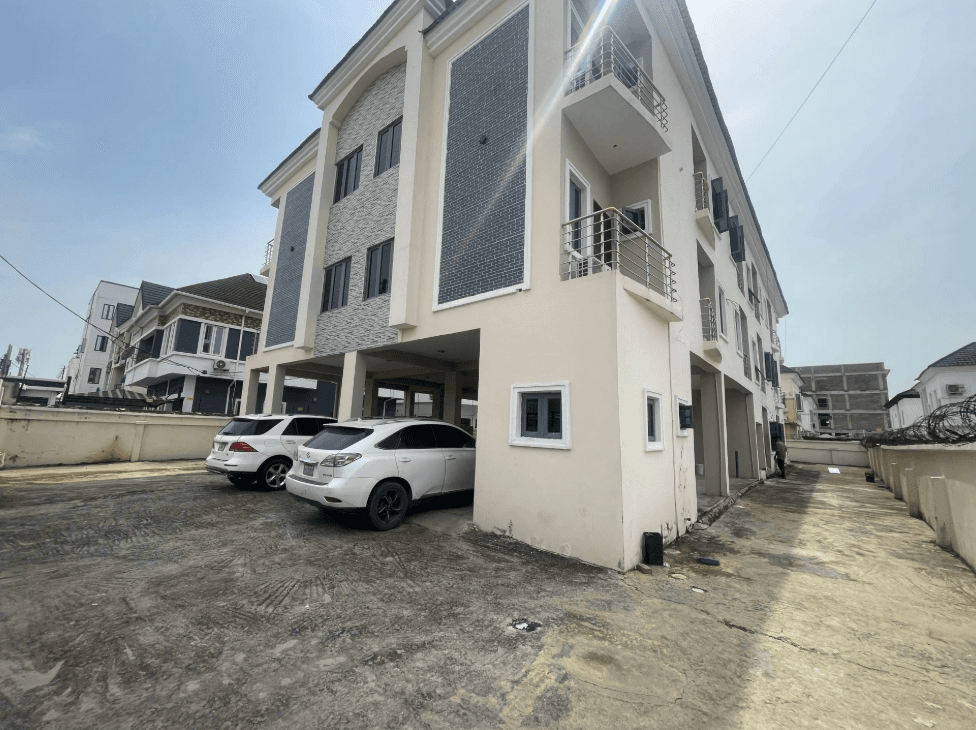
Renters in Ketu often fall into a trap of assuming that because the area is a central transit hub, every apartment offers the same level of accessibility and value.
Those who rush into a lease without investigating the specific street-level drainage or the history of the building’s management frequently find themselves trapped in units where the “central” location is negated by seasonal flooding that cuts off access to major roads like the Ikorodu Road or the Lagos-Ibadan Expressway.
Conversely, prepared renters who understand the nuances of the Ketu market find some of the most competitively priced, well-connected housing in Lagos, allowing them to balance a moderate budget with a commute that beats almost any other mainland location.
This guide provides the deep, protective intelligence necessary to navigate the Ketu rental market without falling victim to the common pitfalls of the area. It details the five specific red flags that define high-risk properties in this zone, identifies the specific renter profiles that actually benefit from living here, and outlines the precise questions you must ask to avoid the “Ketu tax”, a hidden cost paid in repairs, lost commute hours, and security concerns.
You will learn the difference between a genuinely affordable unit and a suspiciously low-priced trap, as well as how to navigate the largely informal agent networks that control the best stock in the neighbourhood.
If you want to start with verified, physically inspected listings, browse apartments in Ketu on Expert Listing.

Who Should Be Renting in Ketu
A significant portion of renter problems in Ketu comes from a mismatch between what the area offers and what the renter was expecting.
Many move here expecting a quiet, residential suburb similar to parts of Magodo Phase 2, only to be overwhelmed by the noise and high density of a transit-heavy neighbourhood.
Ketu is a high-energy, commercialised residential hub, and your satisfaction depends entirely on whether your lifestyle aligns with that reality.
The first group for whom Ketu works exceptionally well includes mid-level professionals working in Ikeja or Maryland who cannot yet afford the high rents of those areas but refuse to endure the long commute from Ikorodu.
For an administrative officer or a bank teller working in Alausa, a home in Ketu offers a 15-to-20-minute commute, providing a level of work-life balance that is rare at this price point.
Small-scale traders and entrepreneurs who source goods from the Mile 12 market or the Ketu fruit market also find the location indispensable, as it places them at the centre of Lagos’s food distribution network, significantly lowering their logistics costs.
Additionally, young singles or “hustlers” who prioritise mobility and proximity to the Lagos-Ibadan Expressway for frequent travel outside the state find Ketu’s location at the foot of the bridge to be a strategic advantage.
Conversely, Ketu is a poor fit for families who prioritise quiet, pedestrian-friendly streets for children to play. The high volume of vehicular traffic and the density of the buildings mean that “quiet” is a rare commodity here.
It is also a mismatch for high-income earners who expect structured estate management, uniform security patrols, and landscaped environments; while there are gated pockets, they do not match the aesthetic or service standards of nearby Ikosi-Gbagada or Magodo.
If you are a remote worker who requires absolute silence for calls throughout the day, the ubiquitous sound of commercial activity and neighbouring generators in these closely packed streets will likely cause daily friction.
If you are in the first group, read on. If you are in the second group, consider whether Ketu’s price advantage genuinely compensates for the daily friction before committing.
The Ketu Rental Market: How It Actually Works
The Ketu rental market is heavily dominated by informal, family-owned stock, often referred to as “legacy buildings” that have been passed down through generations or managed by local family representatives.
While there is an increasing number of modern “mini-flats” and renovated self-contained units, the lack of formal estate management companies means that your relationship with the landlord or their designated local agent is the most critical factor in your tenancy.
Documentation in this market varies wildly, with many landlords still relying on basic, non-standardised tenancy agreements that may lack clear clauses on structural repairs or service charges.
This informality presents a unique opportunity for renters who do not have the traditional two-year lump sum required in more formal Lagos markets.
Because many landlords in Ketu are individuals rather than corporations, payment flexibility is a genuine possibility, especially for sitting tenants or those with a strong recommendation. You will find that some landlords are willing to accept one-year rent for subsequent years, and in the “face-me-I-face-you” or older apartment blocks, quarterly or six-monthly arrangements can sometimes be negotiated if you can prove a stable income.
This makes Ketu a vital entry point for those transitioning into the Lagos middle class.
However, the risk from this informality is significant, as the absence of standardised documentation often leads to disputes over “maintenance” versus “structural repairs.” It is common for landlords in the more informal parts of Ketu to expect tenants to fund borehole repairs or roof leaks out of pocket, with the promise of a future rent deduction that may never materialise.
Practically, this means you must be your own advocate, ensuring that any verbal agreement regarding repairs or rent offsets is captured in writing, even if it is just a signed receipt with a handwritten note. The better end of the market consists of newly built or fully renovated blocks in areas like Alapere or the gated parts of Ketu-Ikosi, where professional agents manage the buildings.
These properties command a 20% to 30% premium because they offer centralised pumping, gated security, and a more predictable living experience, which is almost always worth the extra cost.
Not sure about Ketu? Read our area guide first.
Red Flag 1: The Alapere-Ketu Flood History and Ground-Floor Trap
The most significant risk for any renter in Ketu is the historic and recurring flash-flooding issue, particularly along the Alapere axis and in the lower-lying streets near the canal. This is not just a matter of “wet feet”; during heavy rains in 2024 and 2025, several ground-floor apartments in these zones saw water levels rise high enough to destroy furniture and electrical systems.
The cost to a renter is not just the physical damage, but the potential for being displaced for weeks while waiting for the water to recede and the damp walls to dry, a process that often invites mould and respiratory issues.

What this means practically:
You must realise that a beautiful, freshly painted apartment in August might be a swamp by June. In Ketu, landlords are notorious for “rebranding” flood-damaged units with a fresh coat of oil paint up to the four-foot mark on the wall to hide water stains.
This cosmetic fix does nothing to solve the underlying drainage problem. If you are looking at a ground-floor unit, you are essentially gambling with your belongings. The risk is highest in streets that lack deep, cleared gutters or those that sit significantly lower than the main road level.
When you visit a property, do not just look at the interior. Walk 50 meters in both directions from the gate and look at the base of the fences and the walls of neighbouring buildings. Look for a distinct, horizontal “tide mark” or peeling paint near the ground.
If you see this on multiple buildings in the street, the area floods, and no amount of “new tiling” inside your unit will stop the water from coming under the door. Expert Listing’s flood-risk mapping consistently flags the lower Alapere sections as high-risk; if the rent seems like a “steal” in these specific streets, it is usually because the previous tenant fled after losing their electronics to the rains.
Red Flag 2: Overburdened Shared Boreholes and “Brown Water” Syndrome
Water supply in Ketu is almost entirely dependent on private boreholes, and because of the area’s high density, many of these boreholes are serving more people than they were designed for. A common problem in the older, multi-tenanted blocks is the depth of the borehole; if it isn’t deep enough, you will encounter the “brown water” syndrome, where the water is tinged with sediment or has a metallic odour.
This is more than an inconvenience; it ruins white clothing, clogs showerheads, and forces you to spend significantly more on sachet water for basic hygiene.
Questions to ask before committing:
You need to ask the current tenants, not just the agent, how often the pumping machine breaks down and who pays for the repairs. In many Ketu buildings, the “pumping fee” is a recurring hidden cost that isn’t in the initial rent. Ask the following: How many days a week is water actually available in the taps? Is there a dedicated “pumping man”, or do tenants take turns?
Does the landlord provide a water treatment or filtration system for the central tank? If the answer to the last question is “no,” and the water in the sink looks even slightly cloudy, you are looking at a monthly bill for water treatment chemicals or a permanent stained-teeth and ruined-laundry problem.
The protective step here is to physically turn on the taps in the kitchen and bathroom during your viewing. Let the water run for at least 60 seconds.
In Ketu, stagnant water in the pipes can look clear for the first five seconds before the sediment from the bottom of the tank starts to flow. If the water smells like rotten eggs or looks tea-colored, the borehole is either too shallow or the tanks have not been washed in years.
A good landlord in Ketu will have no problem showing you a clean, elevated plastic tank system; a negligent one will avoid the topic entirely.
Red Flag 3: The “Total Package” Scam and Multiple-Agent Fraud
Ketu is a primary target for “multiple-agent” rental scams due to its high demand and the speed at which apartments move. The scam typically involves an agent who has gained access to a vacant property (sometimes by colluding with a caretaker) and shows it to 10 or 20 different prospective tenants in a single weekend.
They collect “Total Package” payments, rent, agreement, commission, and “caution fee” from everyone, only to disappear on the day the keys are supposed to be handed over. Because Ketu has many “open” construction sites and renovated buildings, it is easy for scammers to pose as the authorised representative.
The protective steps:
Never pay a dime for an apartment in Ketu until you have met the landlord in person or verified the agent’s direct link to the property through a physical office. Scammers in Ketu rarely have a brick-and-mortar office in the neighbourhood; they prefer to meet at “eateries” or on the street.
If an agent tells you the landlord “lives in the UK” or “is a very busy Chief who doesn’t see tenants,” be extremely wary. Demand to see the “Original Receipt” of previous utility bills or the land ownership documents if you have any doubts.
The most reliable protection is to use Expert Listing’s pre-listing verification. Our team physically visits the site, confirms the identity of the person listing the property, and ensures they have the legal right to collect rent. If you are searching independently, a major red flag is an agent who pressures you to pay “immediately” because there are “five other people coming with cash.”
In the Ketu market, genuine agents will usually allow you a 24-hour window to conduct your due diligence. If they refuse to show you the landlord or a registered office, walk away, regardless of how “clean” the apartment looks.
Red Flag 4: Noise Pollution and Commercial-Residential “Creep”
Ketu is one of the noisiest residential areas in Lagos because the line between commercial and residential zones is almost non-existent. A building that is “quiet” at 10:00 AM on a Tuesday can become a nightmare at 6:00 PM when the local “paraga” stand opens next door, or at 5:00 AM when a nearby religious centre begins its morning service.
The density of Ketu means that sound bounces off the closely packed concrete walls, creating an echo chamber effect that can make sleep nearly impossible for light sleepers.
What to look for during a viewing:
You must conduct your viewings at different times of the day, specifically one in the evening or on a weekend. Look at the immediate neighbours. Is there a bar, a welding shop, or a church sharing a wall with your bedroom?
In Ketu, the presence of a “grinding machine” operator on the ground floor of your building is a common occurrence that will vibrate through the entire structure every morning. Check the windows; if they are thin, single-pane glass with gaps in the frames, they will provide zero sound insulation.
Practically, this means you should prioritise apartments that are located deeper into the residential “Closes” rather than those on the major “Streets” or “Roads.” The closer you are to the Ketu-Ikosi road or the Ikorodu road, the more you will deal with the 24-hour drone of sirens, horns, and shouting conductors.
If the apartment is above a shop, ask specifically about the shop’s operating hours. Many renters in Ketu find themselves regretting their lease within the first month because they underestimated the mental toll of constant, high-decibel noise.
Red Flag 5: Structural “Face-lifts” and Hidden Maintenance Neglect
Because Ketu has many buildings dating back to the 1980s and 1990s, there is a trend of “quick-flip” renovations. A landlord will put in new tiles, POP ceilings, and flashy “foreign” doors to justify a ₦1,500,000 rent, while the underlying plumbing and electrical wiring remain 30 years old.

These buildings look great in photos, but begin to fail within months of occupancy. You will find that the “new” sockets spark when you plug in a microwave, or the “modern” bathroom starts leaking into the kitchen below because the old pipes weren’t actually replaced.
Questions to ask before committing:
You need to be direct about the extent of the renovation. Ask: Were the electrical wires completely pulled and replaced, or just the switches? Has the plumbing been updated to PVC, or are the old galvanised pipes still in the walls? Can I see the circuit breaker box?
In a properly renovated Ketu apartment, the circuit breaker should be modern and clearly labelled. If you open the box and see a mess of “bridge” wires or old-fashioned fuses, the renovation was cosmetic, and you will likely face consistent electrical faults or even fire risks.
The protective step is to test the “load” during your final walkthrough. Turn on all the lights and the water heater simultaneously. If the lights dim or the breaker trips immediately, the wiring cannot handle modern appliances.
In the Ketu rental market, landlords often expect you to “manage” these issues, but at 2025/2026 price points, you should not be managing 1980s infrastructure. If the landlord refuses to let you test the electrical load, it is a clear sign that they are hiding a structural deficiency that will cost you significantly in the long run.
What a Good Ketu Apartment Actually Looks Like
It is easy to read five red flags and conclude the area is not worth considering. That conclusion would be wrong, and it is the job of this section to correct it. There are excellent properties in Ketu that offer a high quality of life, provided you know what the gold standard is for this neighbourhood.

A good Ketu apartment in 2025/2026 typically sits in a gated street or a well-managed Close in Alapere (the higher ground) or Ketu-Ikosi, in a building that has been actively maintained rather than just cosmetically patched.
A quality unit in this market features a deep, industrial-grade borehole with a functional filtration system that delivers clear, odourless water. The building will have a dedicated, paved area for parking that isn’t prone to becoming a mud pit at the first sign of rain. Inside, the renovation will include genuine POP ceilings, not just PVC strips, and the electrical system will be supported by modern conduit wiring with a functional distribution board. Management is a key differentiator; a good apartment is overseen by a verifiable agent or a resident landlord who has a clear, written process for handling repairs and shared utility bills like the NEPA/IKEDC bill. There should be a clear “service charge” breakdown if the building has common amenities, ensuring you aren’t hit with “surprise” levies for security or cleaning every month. Finally, a good Ketu apartment has security features that go beyond a simple gate; it will have high perimeter walls with electric fencing or a 24-hour uniformed guard.
None of what is described here is extraordinary. These are baseline expectations of a properly managed rental property. The better buildings in Ketu deliver them; the worse ones do not, and the rent saving does not compensate for the stress of constant repairs and security fears.
Rent Red Flags: When the Price Is Too Low Even for Ketu
Ketu has genuinely low rents relative to comparable Lagos addresses like Magodo or Gbagada, making it a “sweet spot” for many. However, there is a floor below which an asking rent signals a problem rather than a deal, and ignoring this floor is how most renters end up in the “flood trap” or “scam trap.”
If a 1-bedroom (mini-flat) apartment is being offered at ₦500,000 per year in Ketu in 2025, you must ask why.
In the current market, the most likely explanations are that the building has serious infrastructure or structural problems that the landlord cannot afford to fix; the listing is not genuine and is designed to collect deposits from multiple victims before the real owner discovers the fraud; or there is a bitter dispute over the property, often between family members, that the incoming tenant will inherit in the form of harassment or even illegal eviction.
A price that is significantly below the neighbourhood average is almost always an “emergency exit” for a landlord or a “bait” for a scammer.
The correct renter response to a suspiciously low price is not to move quickly before someone else takes it, but to ask specifically why the price is what it is, and to be very cautious if the explanation is unconvincing, such as “the landlord just wants a God-fearing tenant.”
The confirmed market floor for a genuinely habitable 1-bedroom in Ketu with functional power and water backup in 2025/2026 is ₦850,000. Below this figure, the risk that something significant is wrong, whether it be structural, legal, or environmental, is high.
Negotiating Rent in Ketu
The Ketu rental market is one of the more negotiable markets in Lagos, primarily because it is dominated by individual landlords rather than corporate entities. Unlike the rigid, non-negotiable prices you find in high-brow estates, Ketu landlords often value the “quality” of a tenant and the speed of payment over the absolute highest naira figure.
The most effective negotiation tool in this market is the offer of a longer upfront payment or a demonstration of professional stability. If a landlord is asking for ₦1,200,000 for a 2-bedroom, offering to pay 18 months or two years at a slightly lower rate (e.g., ₦1,000,000 per annum) often works because it provides the landlord with a lump sum for their own projects.
Furthermore, if you can show a corporate ID card or proof of a stable job in a reputable sector like banking, telecommunications, or the civil service, you gain significant leverage. Ketu landlords are often wary of “unpredictable” tenants and will frequently take a 5% to 10% cut in rent just to secure someone they believe won’t give them “trouble” with monthly bills or noise. Speed also matters; showing that you have your “Total Package” ready for immediate transfer can often shave ₦50,000 to ₦100,000 off the “agreement and commission” fees that agents typically inflate.
What rarely works in Ketu is trying to negotiate based on the building’s flaws after you have already expressed a high interest. If you point out the peeling paint as a reason for a discount, a typical Ketu landlord will simply tell you they will “fix it” (they usually won’t) rather than lower the rent.
The realistic discount range for a property that has been vacant for more than two months is 10% to 15% below the asking price. For recently vacated, well-maintained buildings in high demand, you should expect very little flexibility, perhaps 5% at most, as there is usually a queue of renters waiting for the keys.
Every listing on Expert Listing is physically inspected before going live. Documentation is verified. Flood-risk is mapped at the listing level. Listings are removed the moment they are rented or sold.
Browse verified apartments for rent in Ketu on Expert Listing.
Frequently Asked Questions
Is it safe to rent in Ketu, Lagos?
Ketu is generally safe during the day due to high human traffic, but it requires “street smarts” like any major Lagos transit hub. Safety varies by street; gated communities in Alapere or near Ikosi are significantly more secure than apartments located directly on the main roads or near the motor parks. Most residential buildings in Ketu employ their own night guards, and as long as you avoid late-night movements near the under-bridge area, the security risk is manageable for most Lagosians.
What are the common rental scams in Ketu?
The most common scam is the “Multiple Rental”, where one apartment is rented to several people by a fake agent who disappears with the cash. Another common tactic is the “Renovation Bait,” where an agent collects money for a building that is “almost finished,” but the construction never actually ends, leaving the tenant without a home or a refund. To avoid this, only pay when the apartment is 100% ready, and you have verified the landlord’s identity through Expert Listing.
What is a fair rent for a 2-bedroom apartment in Ketu?
For a standard, well-maintained 2-bedroom apartment in a decent part of Ketu, a fair rent in 2025/2026 ranges between ₦1,400,000 and ₦2,200,000 per year. The higher end of this range applies to “modern” builds with en-suite rooms, POP ceilings, and dedicated parking. Anything significantly below ₦1,200,000 for a 2-bedroom should be inspected with extreme caution for structural or flooding issues.
How do I avoid renting a flood-prone apartment in Ketu?
Avoid ground-floor units in the lower Alapere axis and streets close to the Agidi or Emmanuel High Street canals. Look for the “water mark” on the fences of neighboring buildings and check the depth of the street’s drainage system. The best way to be sure is to use Expert Listing’s flood-risk data, which identifies which specific streets in Ketu are prone to seasonal flash flooding.
Can I negotiate a shorter upfront payment period in Ketu?
Yes, negotiation for a one-year rent instead of the traditional two years is very common in Ketu, especially for older buildings. Some individual landlords are even open to 6-month or quarterly payments for subsequent years once you have proven to be a reliable tenant. However, for a fresh move-in, most landlords will still insist on at least one full year of rent plus the standard “legal and agency” fees.
What is the difference between renting in Alapere versus Ketu-Ikosi?
Alapere is more residential and has higher-end gated communities, but it contains specific “low zones” that are high-risk for flooding. Ketu-Ikosi is more commercial and densely populated, offering better proximity to the main markets and the Lagos-Ibadan Expressway, but it is generally noisier. Rent in Ketu-Ikosi is often slightly lower due to the higher density, whereas Alapere’s gated estates command a premium for their perceived exclusivity and better security.