Best Apartments in Omole Phase 1: What to Know Before You Rent (2026)
Expert Listing
·
·
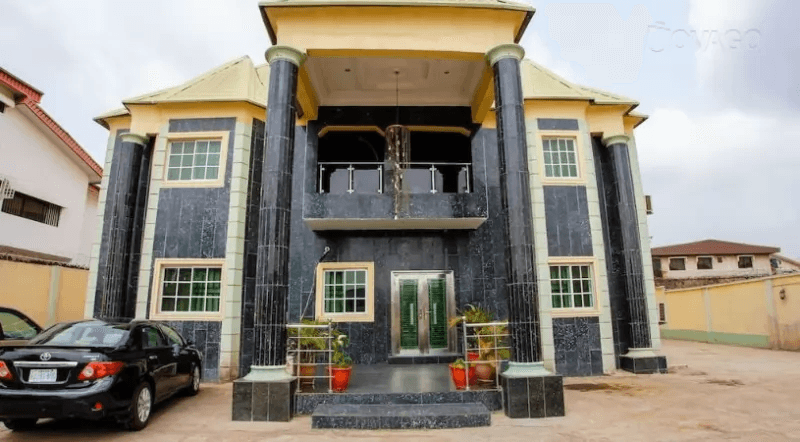
Omole Phase 1 represents one of the most enduring and prestigious residential addresses on the Lagos Mainland, serving as a benchmark for organised, gated living in the Ikeja-Ojodu axis. What sets this estate apart is its unique combination of serene, low-density planning and strategic proximity to the administrative and commercial heartbeat of Lagos State.
Unlike many neighbourhoods that have succumbed to haphazard commercialisation, Omole Phase 1 has maintained its status as a strictly residential sanctuary, offering a level of security, infrastructure, and community management that remains difficult to replicate in the surrounding areas of Agidingbi or Ojodu. For the discerning renter, the estate offers an address that carries significant weight, signalling both professional stability and an appreciation for a structured, family-oriented environment.
However, potential renters must understand that Omole Phase 1 is far from a uniform development. Because the estate was established several decades ago, the housing stock is incredibly diverse, ranging from original “legacy” structures built in the 1980s and 90s to ultra-modern, contemporary apartment blocks and luxury terraces that have recently replaced older villas.
This means that the experience of living in one unit can differ dramatically from another just a few blocks away. While some apartments benefit from top-tier modern finishes and professional facility management, others may struggle with ageing plumbing or electrical systems. This guide provides a detailed breakdown of the estate’s landscape, explaining the nuances of different apartment types, identifying what distinguishes a premier unit from a problematic one, and providing the precise data needed to navigate the Omole Phase 1 rental market efficiently.

Browse verified apartments in Omole Phase 1 on Expert Listing:
What is Omole Phase 1?
Omole Phase 1 is a premium residential estate developed by the Lagos State Government through the New Towns Development Authority (NTDA) in the early 1980s. Originally conceived as a high-income residential scheme to decongest central Ikeja, the estate spans a vast area divided into various zones, primarily situated along the Lagos-Ibadan Expressway corridor. It is bordered by Ojodu to the north, Agidingbi to the south, and the expansive Ikeja industrial and administrative zones to the east. Its development mandate was to provide a secure, well-planned environment for civil servants and private sector professionals, a legacy that continues today through its strictly enforced zoning laws and limited commercial encroachment.
Geographically, the estate sits at a critical junction for commuters. It offers direct access to the Lagos-Ibadan Expressway, making it an ideal base for those working in Ikeja, Maryland, or even those who commute toward the Sagamu-Interchange axis. For residents working on the Island, the commute to Victoria Island typically takes 45 to 75 minutes during peak hours via the Third Mainland Bridge, while a trip to the Ikeja CBD or the Murtala Muhammed International Airport is usually under 20 minutes in light traffic. This central positioning, combined with its reputation for being “above the fray” of the more chaotic parts of the Mainland, makes it a perennially high-demand location for senior executives and established families.
The physical infrastructure within Omole Phase 1 is among the most robust in Lagos. The estate features a network of well-paved internal roads, many of which are lined with drainage systems that have been relatively well-maintained over the years. Security is a primary feature, with multiple gated access points that are strictly monitored by estate-appointed security personnel. Unlike many other parts of Lagos, the estate operates under a dual management structure: the Omole Phase 1 Residents’ Association (OPRA) oversees the general estate infrastructure, security, and common areas, while individual property owners or professional facility managers handle the maintenance of specific apartment blocks and houses. This structure ensures a baseline of order while allowing for variation in unit-level management quality.
The address weight of Omole Phase 1 is significant. Holding a tenancy here provides a level of prestige that is comparable to living in parts of Lekki Phase 1 or Magodo Phase 2. It offers a lifestyle defined by quiet evenings, safe morning jogs, and a sense of community that is often lost in more commercialised zones. For the renter, this means paying a premium for peace of mind, knowing that the environment is controlled, the neighbours are largely professional peers, and the basic amenities like waste management and security are handled at an institutional level.
Apartment Types Available in Omole Phase 1
The housing market in Omole Phase 1 contains several distinct housing types, each reflecting different eras of development and catering to varying household needs and budgets.

Studio and self-contained units are relatively rare in Omole Phase 1, as the estate was originally zoned for larger family homes. However, newer redevelopments have introduced these compact units, often as part of larger multi-unit blocks or converted “boys’ quarters” in older villas. These units typically consist of a single room that serves as the bedroom and living area, with a small kitchenette and an en-suite bathroom. They are highly sought after by young professionals working in Ikeja who prioritise the estate’s security over large square footage. Demand for these is exceptionally high, and they often rent within days of hitting the market.
Three-bedroom flats are the most common apartment format in the estate, reflecting its history as a family-centric neighbourhood. These units are found in both older, standalone two-story buildings and newer, purpose-built apartment complexes. The older flats often boast significantly larger floor plans and separate dining areas, though they may lack modern aesthetics. The newer versions are more compact but feature contemporary tiling, POP ceilings, and en-suite bathrooms for every room. They frequently include small private balconies and shared backyard spaces, making them the default choice for middle-to-senior management professionals with small families.
Terrace houses are among the most sought-after units in Omole Phase 1, representing the modern standard of luxury in the estate. These are typically three or four-bedroom multi-level homes joined in a row, often within a mini-estate-within-the-estate. They provide a middle ground between a flat and a detached house, offering more privacy and often including a dedicated maid’s room or “BQ.” Most modern terraces come with pre-installed inverter systems or shared central power. Because they offer a “lock-up-and-go” lifestyle with high security, turnover is low, and availability is often limited to new developments.
Four and five-bedroom duplexes, both semi-detached and fully detached, constitute the premium end of the Omole Phase 1 market. These are substantial properties, often sitting on their own compounds or shared large lots. They cater to large families or those who require home offices and multiple living areas. These units often come with private gardens, ample parking for three or more cars, and high-walled perimeter fencing. While the rent for these is at the top of the Mainland scale, they provide a level of space and autonomy that is increasingly rare in more densely populated Lagos neighbourhoods.
Rent Prices in Omole Phase 1 (2026)
Rents in Omole Phase 1 reflect its status as a premier Mainland address, often commanding a 20% to 30% premium over nearby neighbourhoods like Ogba or Alausa due to the superior security and infrastructure.
The range within each apartment type reflects several factors, including the unit’s age, its proximity to the main entrance gates, and the level of internal investment by the landlord. Units located closer to the main gates or along the major paved boulevards often command higher prices due to ease of access and perceived security. Conversely, units in the farther reaches of the estate or on roads that require more maintenance may sit at the lower end of the price spectrum. Floor level also plays a role in multi-unit blocks; first and second-floor units are generally preferred for their better ventilation and views, often fetching a slight premium over ground-floor units.
The contrast between recently renovated units and original-condition units is a significant driver of price variation in Omole Phase 1. Upper-end units have typically undergone comprehensive “strip-outs” where original 1990s fittings are replaced with modern Spanish tiles, granite kitchen countertops, and contemporary sanitary ware. These units justify their premium by reducing the tenant’s move-in costs and offering a more modern aesthetic. In contrast, original-condition units may still feature older parquet or terrazzo flooring and dated cabinetry, appealing to renters with a lower budget who are willing to overlook cosmetic wear in exchange for the Omole address.
Service charges and estate management levies: what they cover, how they apply in addition to headline rent, and that the current levy amount must be confirmed in writing before signing. In Omole Phase 1, the service charge often includes estate security, waste disposal, and the maintenance of common areas and street lighting. In managed blocks, it may also cover water treatment and central generator fuel costs. Upfront payment: the standard expectation in Omole Phase 1 remains one year’s rent for existing tenancies, though some landlords may ask for two years for brand-new developments. It is highly recommended to arrange rental financing or pre-qualification through Expert Listing before beginning a search to ensure you can move quickly on a desirable unit.
What the Best Omole Phase 1 Apartments Have
The best rental units in Omole Phase 1 share a set of characteristics that are worth using as a filter when evaluating options.

Comprehensive modern renovations. In an estate with Omole’s history, the best units are those that have been fully updated within the last three to five years. Look for units that have replaced original plumbing and electrical wiring, not just those with a fresh coat of paint. An updated kitchen with modern cabinetry and a bathroom with new pressure-tested piping represents a significant improvement in daily livability, preventing the frequent maintenance calls common in older Lagos stock. Before committing, ask the landlord specifically for the year the plumbing was last overhauled and check for water pressure at all taps.
Functioning, pre-installed air conditioning. While many Lagos apartments require the tenant to bring their own cooling units, the premier apartments in Omole Phase 1 increasingly come with pre-installed, high-efficiency AC units in all bedrooms and living areas. This matters because it saves the tenant the high cost of purchase and installation, and ensures the units are correctly sized for the rooms. During the viewing, insist on turning every AC unit on simultaneously for ten minutes to confirm they cool effectively and do not trip the circuit breaker. Ask the agent if the landlord covers the servicing of these units or if that cost falls to the tenant.
Reliable, block-level power solutions. The best units in this estate do not rely solely on the public grid or a small, noisy “I-pass-my-neighbour” generator. They feature either a central, well-maintained generator for the entire block or a dedicated inverter and solar system provided by the landlord. This is critical in Omole Phase 1, where the Residents’ Association has strict rules about generator noise and placement. Ask specifically about the “generator schedule” (the hours it is guaranteed to run), the recent monthly fuel levy, and whether there is an automatic changeover switch installed.
Elevated floor positions with natural light. In Omole’s multi-story blocks, the units on the first and second floors are often the most livable. These units typically enjoy better cross-ventilation, which is essential during power outages, and receive more natural light than ground-floor units that may be shaded by perimeter walls or neighbouring buildings. When viewing, observe the unit at mid-day without internal lights on to see how much natural illumination it receives. Ask if the windows have been fitted with modern mosquito netting and if the frames are airtight to prevent dust and noise.
Dedicated and secure parking allocations. Parking is a common friction point in Omole Phase 1 due to the high car-ownership rate among residents. The best apartments provide at least two clearly demarcated parking spaces per three-bedroom unit, preferably covered or situated away from the direct afternoon sun. Confirm the specific spots assigned to the unit during your viewing and check if there is enough space for visitors without obstructing the neighbours. Ask the security guard on-site about the estate’s policy on street parking for guests.
Proximity to estate recreational and green zones. Omole Phase 1 features several designated green areas and community spaces. The most desirable units are those within walking distance of these zones, offering an escape from the built-up environment. This is particularly valuable for families with children or residents who prioritise outdoor exercise. Ask the agent to point out the nearest community park or sports facility and check if the unit faces away from high-traffic estate roads to ensure a quieter living environment.
What to Watch Out For in Omole Phase 1
Renting in Omole Phase 1 requires a critical eye to avoid units that look good on the surface but harbour underlying issues.

Deferred maintenance in ageing building stock. Because many buildings in Omole Phase 1 are several decades old, deferred maintenance is a significant risk. Look for subtle signs of structural wear, such as hairline cracks in the walls, damp patches on the ceiling (indicating roof or upper-floor plumbing leaks), and windows that do not close flush. These issues often lead to chronic problems during the rainy season. Do not accept a promise that “everything will be fixed before you move in” without seeing the work in progress or having it clearly documented in the tenancy agreement.
Inconsistent block-level generator management. Even in a prestigious estate, the quality of power management varies between individual blocks. Some buildings suffer from poor generator maintenance or a lack of transparency in fuel billing, leading to frequent blackouts despite high service charges. This is a building-level failure that a single tenant cannot fix. Ask current neighbours in the block about the generator’s reliability and the frequency of “emergency” fuel contributions before you sign any documents.
Stale listings and the pace of the market. Omole Phase 1 is a “hot” market where quality units at fair prices move within 48 to 72 hours. If you see a listing that has been active for several weeks at an attractive price, it typically signals a problem, either a legal dispute over the property, significant hidden damage, or an unresponsive landlord. Always verify the real-time availability of a listing through Expert Listing to avoid wasting time on “ghost” listings that are only being used by agents to collect inspection fees.
Flooding in lower-lying estate sections. While Omole Phase 1 is generally well-drained, certain streets and ground-floor units in lower-lying zones are susceptible to flash flooding during heavy downpours. This usually occurs when internal drains become clogged or when the unit sits below the road level. Check the base of the perimeter walls for “watermarks” or peeling paint, which are tell-tale signs of past flooding. Ask the security personnel at the gate about the road’s performance during the peak of the rainy season in June and July.
Opaque service charge structures. Some property managers in Omole Phase 1 provide a “flat” service charge quote that later expands to include “extraordinaries” like estate-level security levies or sudden transformer repairs. Request a full, written breakdown of exactly what the service charge covers before you pay. Specifically, ask if the estate management levy (paid to OPRA) is included in your building’s service charge or if you are expected to pay that separately. Transparency here is the difference between a predictable budget and monthly financial stress.
Not sure about Omole Phase 1?Read our area guide first.
How Omole Phase 1 Compares to Other Ikeja Axis Options
Renters considering Omole Phase 1 typically have other options in the same zone, and the comparison is worth making clearly to determine which address best fits your lifestyle.
Versus Ikeja GRA: Omole Phase 1 offers a more residential and community-focused environment compared to Ikeja GRA, which has become increasingly commercialised with hotels, offices, and restaurants. While Ikeja GRA is more “central” and carries a higher social status, the trade-off is significantly higher noise levels and more traffic congestion. Omole Phase 1 provides more house-type variety and more space for the price, making it the preferred choice for those who want a quiet retreat at the end of the day, whereas Ikeja GRA suits those who want to be in the middle of the city’s social and commercial hub.
Versus Magodo Phase 2: Omole Phase 1 and Magodo Phase 2 are often compared as the “Twin Peaks” of Mainland living. Magodo Phase 2 is generally more modern and has a slightly more “uptown” feel with more contemporary architecture. However, Omole Phase 1 is often considered the more predictable and stable option in terms of security and internal road maintenance. The trade-off is that while Omole Phase 1 might have older housing stock, it often offers better value for money in terms of square footage and is slightly closer to the Ikeja central business district.
For growing families specifically, Omole Phase 1 offers something that is genuinely difficult to find elsewhere in the Ikeja axis at comparable pricing: a safe, gated environment where children can play outdoors, and residents can walk the streets with minimal concern. The three-bedroom flat in an older, well-maintained Omole villa is the “sweet spot” for this profile. It provides the interior space of a house with the security of an estate, at a price point that is often 40% lower than a similar unit in a serviced Island development.
How to Search for Apartments in Omole Phase 1 Efficiently
Efficiency in the Omole Phase 1 market begins with setting clear, non-negotiable criteria before you ever contact an agent. You must decide whether you are looking for the space of an older three-bedroom flat or the modern amenities of a new terrace, and establish your total budget, including the service charge and estate levies. Knowing these details prevents agents from redirecting you to unsuitable units that are simply easier for them to show, saving you hours of unproductive viewing time in Lagos traffic.

Using a verified platform like Expert Listing is the most effective strategy for this specific estate. Because Omole Phase 1 is a high-demand area, it attracts a large number of unregulated agents and “stale” listings that are no longer available. Expert Listing solves this by ensuring that every apartment shown has been physically inspected and its documentation verified before it goes live. This means the photos you see are current and the price quoted is what you will actually pay, eliminating the “bait-and-switch” tactics common in the broader market.
In the Omole market, you must be prepared to view a property promptly once it meets your criteria. The best-priced, well-maintained units in Omole Phase 1 often receive multiple offers within the first few days of listing. If a unit on Expert Listing catches your eye, aim for a same-week or even next-day viewing request. Being “first in line” is often the deciding factor in securing a high-quality tenancy in an estate where supply consistently lags behind the volume of qualified renters.
Finally, use the viewing itself as a rigorous due diligence exercise rather than just a tour. Do not leave the premises without getting clear answers on the generator uptime, the source of the water supply, and the exact breakdown of the service charge. Test the taps, check the wardrobe interiors for signs of dampness, and ask to see the electrical panel. A professional agent or landlord in Omole Phase 1 will respect a renter who asks these detailed questions, as it signals that you are a serious, high-quality tenant who will take care of the property.
Ready to Find Your Apartment in Omole Phase 1?
Every listing on Expert Listing is physically inspected and document-verified before going live. Flood risk is mapped at the individual listing level. Listings are removed the moment they are rented or sold.
Browse verified apartments in Omole Phase 1 on Expert Listing:
Frequently Asked Questions
Does Omole Phase 1 have good security?
Omole Phase 1 is widely regarded as one of the most secure estates on the Lagos Mainland due to its strict gated access and professional security patrols. The Residents’ Association (OPRA) manages several entry points where visitors are required to call their hosts for clearance before entry is granted. This multi-layered security approach significantly reduces the risk of unauthorised access and makes the estate a safe environment for nighttime walking and outdoor activities. For current listings in the most secure zones of the estate, you can check verified options on Expert Listing.
How far is Omole Phase 1 from Ikeja?
Omole Phase 1 is exceptionally close to the heart of Ikeja, typically located within a 10 to 15-minute drive from the Alausa Secretariat and the Ikeja City Mall. Its proximity to the Lagos State seat of power makes it a favourite for government officials and professionals working in the state’s administrative hub. Depending on the specific gate you use, access to the major commercial streets of Ikeja is direct and relatively efficient, even during peak hours.
What is the average rent for a 3-bedroom flat in Omole Phase 1?
As of 2025/2026, rent for a 3-bedroom flat in Omole Phase 1 typically ranges from ₦4,500,000 to ₦7,500,000 per annum, depending on the age and condition of the building. Newer or fully renovated units with modern finishes and shared services sit at the higher end of this range, while older, unrenovated flats can be found at the lower end. To get a real-time view of current pricing and available units, visit the Omole Phase 1 section on Expert Listing.
Is Omole Phase 1 prone to flooding?
The majority of Omole Phase 1 is well-planned with functional drainage systems that prevent major flooding, though some lower-lying streets may experience temporary waterlogging during extreme rainfall. It is important to inspect the specific street and the ground-level elevation of any apartment block before committing. Expert Listing provides flood-risk mapping for its listings to help renters identify units that remain dry year-round.
What are the service charges like in Omole Phase 1?
Service charges in Omole Phase 1 vary significantly between standalone houses and serviced apartment blocks, typically ranging from ₦400,000 to over ₦1,500,000 annually. This fee generally covers estate security, waste management, and common area lighting, while more expensive serviced blocks include central generator fuel and water treatment. Always request a full breakdown of these costs before signing a lease to ensure there are no hidden fees.
Are there good schools near Omole Phase 1?
Omole Phase 1 is surrounded by some of the best educational institutions on the Mainland, including several high-standard private primary and secondary schools within and just outside the estate gates. This makes it an ideal location for families who want to minimise their children’s commute times. Many residents choose the estate specifically for its proximity to these schools and the safe environment it provides for children. For family-sized homes near these educational hubs, browse the latest verified listings on Expert Listing.