Why Short Let Apartments Are Declining in Lagos and Nigeria (2026)
Expert Listing
·
·
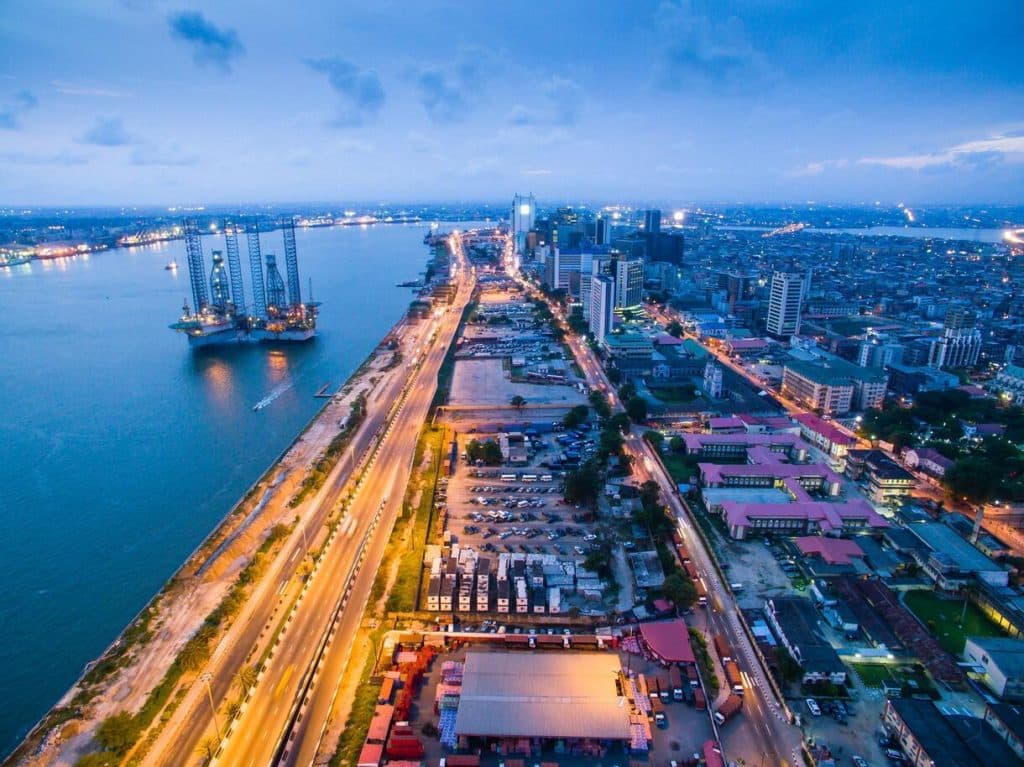
Nigeria’s short let market had one of the most dramatic rises in African real estate history. Between 2020 and 2022, furnished apartments in Lekki, Ikoyi, and Abuja were booking out weeks in advance. Investors were earning returns that dwarfed traditional long-term rentals. Everyone wanted in.
Fast forward to 2026, and the picture looks very different. Occupancy rates are falling. Nightly prices are being slashed just to attract bookings. Many investors who entered the market at its peak are quietly converting their properties back to long-term tenancies. Some are struggling to break even.
So what happened? The answer is not one thing. It is several problems that arrived at the same time and compounded each other. This article breaks them all down.
How Nigeria’s Short Let Market Was Born
To understand the decline, you first need to understand how the boom started because the origin of the market shaped many of its weaknesses.
Before 2020, short let apartments existed in Nigeria but were relatively niche. The real turning point came during the 2020 pandemic, and it came from an unexpected direction: the diaspora.
When global lockdowns hit in early 2020, millions of Nigerians living in London, Toronto, Houston, Dubai, and other major cities were suddenly confined to their homes. Travel stopped. Social life disappeared. Economies contracted.
But Nigeria looked different on their screens.
While Western cities were under strict lockdown orders, social media feeds were showing Lagos parties, Abuja events, and a lifestyle culture that appeared vibrant and unapologetically alive. Instagram, TikTok, and Snapchat were full of rooftop gatherings, beach outings, and influencers showing off luxury shortlet apartments in Lekki and Ikoyi.
For Nigerians sitting in cold apartments abroad, this created a powerful emotional pull. The contrast was striking and, for many, it rekindled a connection to home they had not felt in years.
When borders reopened in 2021, the diaspora travelled in large numbers. Extended stays replaced the usual two-week visits. And rather than staying in hotels or with family, many chose short let apartments. The demand was immediate, concentrated, and very visible.
Investors noticed. (see first timer home buying guide here)
The Investment Rush That Followed
The numbers coming out of the early short let market were genuinely impressive. In premium Lagos neighbourhoods, a well-furnished two-bedroom apartment was earning between 150,000 and 300,000 per night. Occupancy rates in sought-after buildings were running at 70 to 80 percent. For investors used to the slower returns of traditional residential lettings, this looked extraordinary.
Social proof accelerated the buzz. Influencers were being paid to stay in short let apartments and post about them. Property coaches were running paid courses on how to start a shortlet business. Developers began constructing one- and two-bedroom apartments specifically optimised for short-term rental, rather than the larger family units the market had traditionally produced.
Within 18 to 24 months, the number of short let listings in Lagos alone had multiplied several times over. What had been a market with limited, curated supply became a crowded, fragmented, and increasingly inconsistent one.
That oversupply was the first crack in the foundation.
The Problems That Triggered the Decline
1. The Market Became Oversaturated
Supply outpaced demand faster than most investors anticipated. According to data from Airbnb’s host community and local property tracking platforms, the number of active short let listings in Lagos grew by over 200 percent between 2021 and 2024. Demand, while strong, did not grow at the same pace.
The result was predictable. Too many apartments chasing too few guests meant price wars. Hosts began undercutting each other. Nightly rates that once commanded a premium dropped significantly just to maintain bookings. As margins compressed, the economics that made short lets attractive began to erode.
2. Construction Quality Collapsed
As more investors entered the market, many cut corners to reduce costs and speed up returns. In a properly structured development, a project involves a licensed architect, a structural engineer, an experienced contractor, and a project manager working together. In Nigeria’s relatively loosely regulated construction environment, many developers bypassed this process entirely, managing builds themselves to save money.
The results showed up quickly in the properties themselves.
Tiles cracked within months. Paint faded faster than it should. Plumbing systems failed prematurely. Furnishings wore out at a rate incompatible with professional short-term hosting. Buildings that looked attractive in listing photographs deteriorated noticeably after six to twelve months of guest usage.
In the short let business, where visual appeal and functional reliability are the entire product, this was catastrophic. Guests who booked based on polished listing images arrived to find the reality did not match. Reviews suffered. Ratings dropped. And on platforms like Airbnb and Booking.com, ratings are everything.
3. Poor Customer Service Destroyed Reputation
Low quality of the physical space was damaging enough. But what turned individual bad experiences into industry-wide reputation damage was the response from many hosts when things went wrong.
Rather than addressing complaints professionally, many hosts became defensive. Refund requests were refused. Maintenance issues were deprioritised. Guests who raised legitimate concerns were met with dismissiveness or silence.
In any other era, this might have stayed private. But Nigeria’s guests in 2024 and 2025 were not staying silent. Negative experiences became public. Twitter and X threads about disappointing shortlet stays went viral. TikTok videos calling out specific properties accumulated tens of thousands of views. WhatsApp broadcast messages warning friends away from certain hosts circulated widely.
The compounding effect of online backlash on an already oversupplied market proved severe. Trust in the short let category as a whole began to decline, not just in individual properties.
4. Infrastructure Costs Became Unsustainable
Running a professional short let apartment in Nigeria is operationally expensive in ways that are not immediately obvious to new investors.
Reliable electricity cannot be assumed. Most quality short let apartments must maintain diesel-powered generators to remain competitive, and diesel costs in Nigeria rose dramatically following the removal of the fuel subsidy in 2023. A property running a generator for guest comfort can spend between 300,000 and 600,000 monthly on diesel alone, depending on size and usage.
Add to this the cost of internet provision, cleaning services, furnishing replacements, water supply, security, and platform commission fees, and the operational overhead of a well-run shortlet becomes substantial. When nightly rates are simultaneously being compressed by competition, the margin available to cover these costs shrinks rapidly.
Many investors, particularly those who entered the market with unrealistic return projections, found themselves spending more to operate the property than they were earning from it.
5. Nigeria Has No Real Tourism Infrastructure
This is the deepest structural problem, and it is the one most likely to keep the market suppressed even if other issues are addressed.
Short let markets perform consistently well in countries where international tourism flows are strong and predictable. Turkey’s Istanbul and Cappadocia generate year-round bookings from European and American tourists. South Africa’s Cape Town benefits from global destination appeal across multiple traveller segments. Ireland sustains strong short let demand through cultural tourism and natural scenery. Australia’s coastal cities attract lifestyle tourists from Asia and beyond.
These markets are not primarily dependent on their diaspora. They attract foreign visitors who travel for leisure, culture, nature, and business, independent of any emotional or familial connection to the country.
Nigeria does not currently compete on this level. Tourism infrastructure remains underdeveloped. Beach access in Lagos, one of the country’s strongest natural tourism assets, has been disrupted by demolitions and inconsistent urban planning decisions. Safety perceptions, while often exaggerated internationally, continue to deter foreign leisure travellers who have easier alternatives.
The result is a short let market structurally dependent on diaspora visits, domestic business travel, and social event tourism. This is a narrower, more cyclical, and more emotionally driven demand base than the stable international tourism flows that sustain successful short let markets elsewhere in the world.
6. Diaspora Demand Is Cyclical, Not Consistent
The diaspora boom of 2021 and 2022 was real, but it was also partially driven by unique post-pandemic conditions that are unlikely to repeat. Travel restriction releases, pent-up demand for home connection, and the emotional intensity of returning after long separations all amplified diaspora visits during that window.
As conditions normalised, diaspora travel to Nigeria returned to more typical patterns concentrated around Christmas, Easter, and major events, with quieter periods in between. A market that had scaled its supply to meet peak pandemic-era demand suddenly found itself with far too many apartments chasing seasonal visitors.
Hosts who had planned for consistent year-round occupancy began experiencing long vacant stretches between bookings. Cash flow projections built on optimistic assumptions collapsed against the reality of three-month quiet periods.
What Would a Recovery Look Like?
The short let market in Nigeria is not finished. There is still genuine demand, particularly from corporate travellers, business visitors, and the domestic market. But a sustainable recovery requires addressing the structural issues rather than simply waiting for conditions to improve.
Supply needs to consolidate. The market is overcrowded with low-quality listings that damage the category’s reputation. Properties that cannot meet a reasonable standard of quality, reliability, and service will continue to lose bookings to better-run competitors. Some natural attrition has already begun.
Quality standards need to rise. Hosts who invest in consistent quality, professional photography, responsive communication, and fair complaint resolution are already outperforming the market average. In an oversupplied market, the gap between well-run and poorly-run properties widens. Quality becomes the differentiator.
Tourism infrastructure needs long-term investment. This is beyond any individual host’s control, but it is the most consequential factor for long-term market health. Meaningful growth in international visitor numbers requires policy consistency, safety investment, improved transport infrastructure, and sustained national destination branding.
Operational costs need to be factored realistically. New investors entering the market need to model their returns based on realistic occupancy rates of 40 to 55 percent rather than the 70 to 80 percent peak-era figures, and they need to account fully for generator, internet, cleaning, and maintenance costs before committing capital.
Frequently Asked Questions
Is the short let market in Nigeria completely dead? No. There is still active demand, particularly in well-located properties that maintain genuine quality standards. The market has contracted and become more competitive, but well-run properties in premium locations continue to generate bookings. The era of easy, passive income from any furnished apartment is over, but professional operators can still build sustainable businesses.
Which cities in Nigeria still have viable short let demand? Lagos and Abuja remain the strongest markets by volume. Port Harcourt maintains business travel demand. Outside these cities, the market is thin and difficult to sustain at commercial scale.
Should I convert my short let back to a long-term tenancy? This depends on your specific property, location, and operational capacity. Properties in non-premium locations that are struggling to compete on quality are often better served by long-term tenancy. Properties in high-demand areas with strong quality and management can still outperform long-term rental yields. Run the numbers honestly for your specific situation before deciding.
What is the average occupancy rate for short lets in Lagos now? Occupancy rates vary significantly by location and quality. The market average in 2025 was estimated at between 35 and 55 percent, down considerably from the 70 to 80 percent figures seen during the 2021 to 2022 peak.

Final Thoughts
Nigeria’s short let decline is not a mystery. It is the predictable outcome of a market that scaled too fast, cut too many corners, disappointed too many guests, and was built on a demand base that was always more seasonal and emotional than structural.
The investors and hosts who will survive and eventually thrive in this market are not the ones who entered looking for quick returns. They are the ones who treat short letting as a hospitality business, one that requires genuine attention to quality, guest experience, and operational excellence.
The boom was real. So is the correction. What comes next depends on whether the market learns from both.
You can find other articles you might find interesting below.


